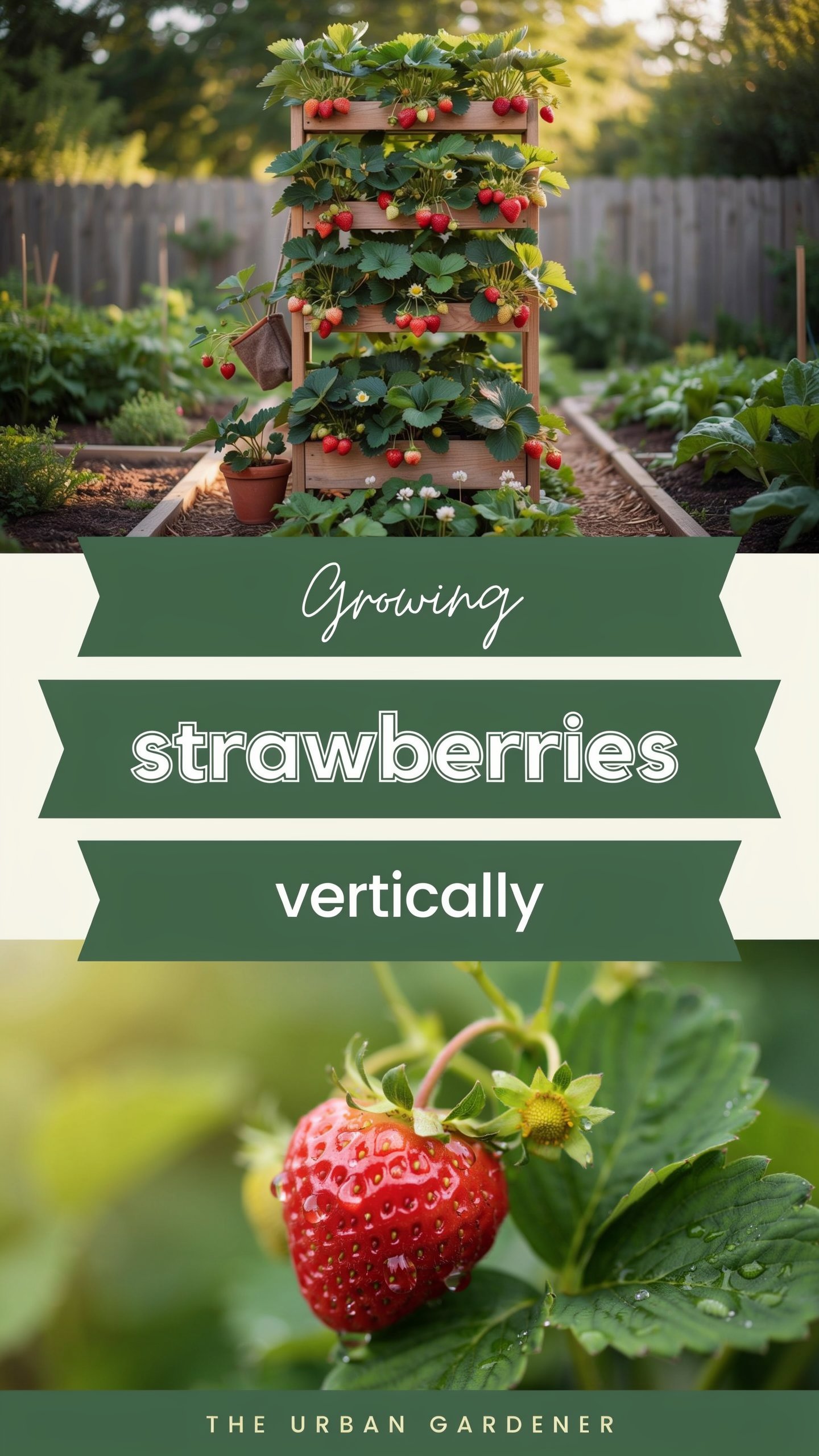

Imagine stepping onto your balcony or tiny patio and plucking ripe, juicy strawberries right at eye level—no bending, no weeds choking your plants, and way more berries than you ever thought possible in limited space. If you’ve ever dreamed of growing your own strawberries but felt held back by a small yard, concrete jungle, or aching back, growing strawberries vertically might just be the game-changer you need.
I’ve been there. Years ago, my first strawberry patch took up half the garden bed, attracted slugs, and still left me on my knees hunting for hidden fruit. Switching to vertical methods transformed everything. Now, I harvest baskets full from towers that fit in a corner. And the best part? It’s easier than you think, even if you’re brand new to gardening.
Quick Answer: Can You Really Grow Strawberries Vertically?
Yes! Strawberries have shallow roots and love growing upward in towers, pockets, hanging baskets, gutters, or stacked planters. You’ll save space, reduce pests, improve airflow, and often get bigger harvests. Perfect for patios, balconies, or tiny backyards. With the right setup, even beginners can enjoy fresh berries from spring through fall.
Why Growing Strawberries Vertically Makes So Much Sense
Strawberries are one of the most beginner-friendly fruits. They grow fast, produce the same year you plant them, and taste infinitely better than store-bought ones. But traditional ground growing has drawbacks: slugs feast on them, soil-borne diseases spread easily, and harvesting means constant stooping.
Vertical growing flips the script. Plants get better sun exposure on all sides, fruits dangle away from damp soil, and you use every inch efficiently. One tower can hold dozens of plants in just a couple square feet.
Plus, it looks beautiful. A living strawberry tower covered in green leaves and red berries becomes a conversation starter and garden focal point.
Best Strawberry Varieties for Vertical Growing
Not all strawberries thrive equally in vertical systems. Focus on these:
- Everbearing or day-neutral varieties like Albion, Seascape, or Quinault. They produce smaller but steady crops throughout the season instead of one big flush. Ideal for towers since they keep fruiting without needing as much chill time.
- June-bearing types work too for a big spring harvest, but pair them with everbearers for extended picking.
Look for compact or trailing varieties that cascade nicely over the edges. Avoid overly vigorous runner-producers unless you plan to manage them.
Personal tip: Start with bare-root plants or strong plugs from a reputable nursery. They establish faster in vertical setups than tiny seedlings.
Choosing the Right Vertical System for Growing Strawberries
You have lots of options depending on your budget, space, and DIY comfort level.
Popular Ready-Made Systems
Stackable fabric or plastic towers (like GreenStalk) are fantastic. They have deep pockets, good drainage, and built-in watering reservoirs that make maintenance simple.
Hanging baskets or pocket planters work well on walls or railings for smaller harvests.
Easy DIY Vertical Strawberry Planters
Many gardeners love making their own:
- PVC or galvanized pipe towers: Cut holes in the sides, add a central watering pipe, and fill with soil.
- Wire mesh or fencing towers: Roll into a cylinder, line with fabric or straw, fill with soil, and plant through the sides.
- Stacked buckets or barrels: Drill offset holes and stack for a sturdy, budget-friendly tower.
- Gutter systems: Mount rain gutters on walls or fences in tiers.
- Wooden pallet or frame walls: Create a vertical garden frame for a rustic look.
Choose food-safe materials and ensure good drainage to prevent root rot.
Step-by-Step: How to Set Up Your Vertical Strawberry Planter
Here’s a straightforward process that works for most tower styles.
- Pick the perfect spot. Full sun (6–8+ hours daily) is essential. South-facing walls or patios work great. Protect from strong winds.
- Assemble your structure. For towers, build or stack securely. Add a central watering tube if needed.
- Prepare the soil mix. Use a lightweight, well-draining potting mix with compost. Strawberries prefer slightly acidic soil (pH 5.5–6.5). Add perlite or vermiculite for aeration.
- Plant correctly. Place the crown (where leaves meet roots) right at soil level—never buried or exposed too high. Space plants about 6–8 inches apart in pockets.
- Water thoroughly after planting. Settle the soil, then let it drain.
Start with unstacked tiers for the first couple weeks if using a modular system so you can water evenly.
Caring for Your Vertically Grown Strawberries
Consistent care is key, but it’s not overwhelming.
Watering: Vertical setups dry out faster. Check daily, especially in heat. Water from the top so it trickles down. Aim for even moisture—damp but not soggy. A reservoir base helps a lot.
Fertilizing: Use a balanced organic fertilizer or compost tea every 2–4 weeks during growth. Switch to higher potassium (bloom booster) when flowers appear for better fruit.
Sun and Rotation: If one side gets more light, gently rotate the tower periodically.
Mulching: Add straw or pine needles around the base of plants to retain moisture and keep fruits clean.
Managing Runners: Pinch most runners to focus energy on fruit. Let a few root in extra pots if you want more plants.
Common Beginner Mistakes When Growing Strawberries Vertically (And How to Avoid Them)
- Burying the crown too deep → leads to rot. Keep it level with soil.
- Overwatering or poor drainage → causes root issues. Always use well-draining mix.
- Not enough sun → weak plants and few berries. Don’t settle for shady spots.
- Ignoring pests → birds, slugs, and aphids love strawberries. Use netting for birds and check regularly.
- Forgetting to fertilize → small, tasteless fruit. Feed consistently.
- Crowding plants → competition for resources. Give them breathing room.
I’ve made most of these mistakes myself. The good news? Strawberries are forgiving once you adjust.
Troubleshooting Common Problems
Yellow leaves: Often overwatering or nutrient deficiency. Improve drainage and feed.
No flowers/fruit: Not enough sun, wrong variety, or young plants. Be patient—first year is establishment.
Small berries: Crowding, inconsistent water, or poor soil. Thin runners and fertilize.
Pests/Diseases: Gray mold (botrytis) from poor airflow—improve circulation and avoid wetting leaves. Use organic neem or copper if needed. Root rot from soggy soil—repot in fresh mix.
Wilting: Check soil moisture. In vertical towers, bottom plants might stay wetter while top ones dry—water accordingly.
Observe your plants daily in the beginning. They’ll tell you what they need.
Harvesting and Enjoying Your Vertical Strawberry Bounty
Pick berries when fully red and slightly soft. Twist gently or use scissors. Harvest every couple days to encourage more production.
Fresh eating is best, but you can also freeze, make jam, or bake. Nothing beats a warm strawberry from your own tower on morning cereal.
Overwintering Your Vertical Strawberries
In colder climates, protect towers by moving to a sheltered spot, insulating with straw, or covering with frost cloth. Some varieties are hardy down to zone 5 or so. In very cold areas, bring smaller systems indoors or replant fresh each spring.
Real-World Insights from My Garden
Last season, my 5-tier tower produced nearly nonstop from May until frost. The everbearing varieties kept surprising me with sweet little gems even in late summer. Neighbors asked for starts because the visual impact was so striking.
One thing I love: vertical growing makes strawberries accessible for renters, apartment dwellers, or anyone with mobility challenges. No more back-breaking work.
Expanding Your Vertical Strawberry Garden
Once comfortable, try companion planting herbs like thyme or borage nearby—they attract pollinators. Or mix in edible flowers for beauty and biodiversity.
You can also create a strawberry wall with multiple smaller planters for a stunning living feature.
FAQ: Growing Strawberries Vertically
How many strawberries can one vertical tower produce? A well-maintained 5–7 tier tower can yield dozens to hundreds of berries per season, depending on variety and care. Expect 1–2 quarts or more per plant over time.
Is growing strawberries vertically better than in the ground? For small spaces, yes—it reduces disease, saves space, and makes harvesting easier. Ground growing might give slightly higher total yields in large areas, but vertical wins for convenience.
What soil is best for vertical strawberry planters? A high-quality potting mix amended with compost and perlite. It needs to drain well while holding some moisture. Avoid heavy garden soil that compacts in towers.
How often should I water strawberries in a vertical system? Daily or every other day in warm weather. Check the top and bottom pockets—top dries fastest. Consistent moisture without sogginess is the goal.
Can I grow strawberries vertically indoors or in shade? Indoors with strong grow lights is possible but challenging. They need 6+ hours of direct sun or equivalent light. Partial shade reduces fruit significantly.
Do vertical strawberries need more fertilizer? Yes, because container growing depletes nutrients faster. Feed regularly with balanced organic options.
How do I prevent birds from eating my vertical strawberries? Use bird netting draped loosely over the tower or individual fruit cages.
Ready to Start Growing Strawberries Vertically?
There’s something deeply satisfying about walking past your tower and popping a sun-warmed strawberry into your mouth. The fresh taste, the pride of growing your own, and the beauty it adds to your space—it’s addictive in the best way.
Whether you build a simple DIY tower or invest in a ready-made system, growing strawberries vertically opens up a world of homegrown sweetness even in the smallest spots. You don’t need a huge garden or years of experience. Just good light, quality soil, and a little consistent care.
Grab some plants, pick your favorite tower style, and give it a try this season. Your future self (and taste buds) will thank you. Share your harvest pics or questions in the comments—I’d love to hear how your vertical strawberry adventure goes!
Happy gardening!