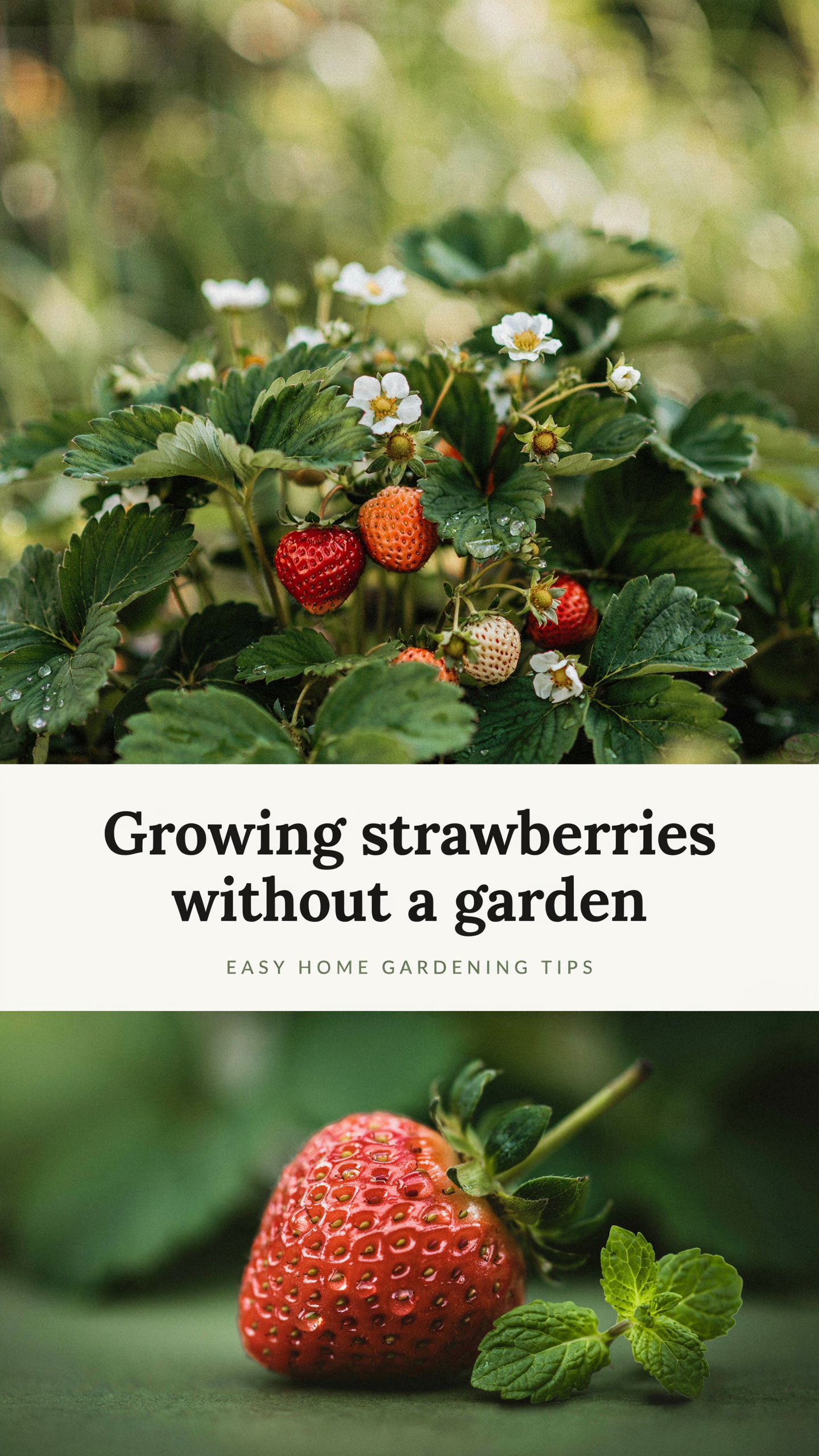

Imagine stepping into your garden and picking strawberries the size of golf balls—sweet, juicy, and bursting with flavor. If your plants have been producing tiny berries that leave you disappointed, you’re not alone. Many beginner gardeners face the same frustration.
The good news? You can grow much bigger strawberries with a few smart choices and consistent care. No fancy equipment needed—just some practical steps that make a real difference.
In this guide, I’ll walk you through everything you need to know, from picking the right varieties to daily care habits that encourage those impressive fruits.
Quick Answer: How to Make Strawberries Grow Bigger
To grow bigger strawberries, focus on these essentials:
- Choose large-fruited varieties like ‘Chandler’, ‘Albion’, or ‘Quinault’.
- Plant in full sun (6-8+ hours daily) with rich, well-draining, slightly acidic soil (pH 5.5-6.5).
- Water consistently (1-2 inches per week), especially during fruit development.
- Remove runners to redirect energy to berries.
- Fertilize with balanced nutrients, emphasizing potassium during flowering and fruiting.
- Ensure good pollination by attracting bees.
Follow these, and you’ll see noticeably larger berries—often 20-30% bigger under optimal conditions.
Why Your Strawberries Might Be Small (And What to Do About It)
Small strawberries usually come down to stress or resource competition. Plants under stress—like from inconsistent water, poor soil, or too many runners—put energy into survival rather than big fruits.
I’ve seen it in my own garden. One year, my berries were disappointingly tiny because I let runners take over. Once I started pruning them aggressively, the difference was night and day. Mature, well-cared-for plants simply produce plumper berries.
Common culprits include insufficient sunlight, nutrient imbalances (especially low potassium), poor pollination, overcrowding, and young plants still building roots.
Choosing the Best Strawberry Varieties for Bigger Berries
Not all strawberries are created equal when it comes to size. Start here for the biggest payoff.
June-bearing varieties often produce the largest individual berries in one big flush, like ‘Chandler’ or ‘Camarosa’. These are fantastic if you want a heavy harvest for preserving or fresh eating.
Day-neutral types like ‘Albion’, ‘Seascape’, or ‘Tristar’ give steady production throughout the season and can yield impressively large fruits with good care.
Avoid alpine or wild strawberries if size is your goal—they’re flavorful but naturally tiny.
Pro tip: Buy certified disease-free plants from a reputable nursery. Healthy starts set you up for success.
Preparing the Perfect Soil for Large Strawberries
Strawberries love rich, well-draining soil. Aim for a slightly acidic pH between 5.5 and 6.5. Test your soil if possible—it’s worth the small effort.
Work in plenty of compost or well-rotted manure before planting. This improves structure, adds nutrients, and helps retain moisture without sogginess.
In heavy clay, use raised beds or mounds to prevent root rot. Good drainage is non-negotiable for healthy roots that support big fruits.
Plant in spring after the last frost (or fall in milder climates). Space plants 12-18 inches apart in rows 3-4 feet apart. This gives them room to spread without competing too much.
Planting Strawberries the Right Way
When planting, make sure the crown (where leaves meet roots) sits right at soil level. Too deep and it can rot; too high and it dries out.
Water thoroughly after planting and add a layer of straw mulch. Mulch keeps soil moist, suppresses weeds, and keeps berries clean and off the dirt.
In the first year, many gardeners pinch off all flowers. It feels wrong, but it helps plants build strong roots and crowns for much bigger yields later. Patience pays off here.
Sunlight and Location: The Foundation for Big Berries
Strawberries need full sun— at least 6-8 hours of direct sunlight daily. Less light means smaller, less sweet fruits and leggy plants.
Choose a spot with good air circulation to reduce disease risk. Morning sun is ideal, as it dries dew quickly.
If you garden in containers or small spaces, place pots where they get maximum light. South-facing spots work great in many climates.
Watering Secrets for Plump, Juicy Strawberries
Consistent moisture is one of the biggest factors in berry size. Strawberries need about 1-2 inches of water per week, more in hot, dry weather.
Water at the base to keep foliage and fruits dry, reducing disease. Drip irrigation or soaker hoses are perfect for this.
Avoid letting the soil dry out completely, especially when fruits are forming. Inconsistent watering leads to small or cracked berries.
Mulch helps a ton here by reducing evaporation. Check soil moisture by sticking your finger an inch or two down—if it’s dry, it’s time to water.
Fertilizing for Bigger Strawberry Fruits
Strawberries are hungry plants, but balance is key. Too much nitrogen gives you lush leaves and few fruits.
Use a balanced fertilizer (like 10-10-10) in early spring. Switch to higher potassium (like a tomato fertilizer) when flowering starts—potassium helps with fruit size and sweetness.
Organic options like compost tea, fish emulsion, or kelp work wonderfully. Apply every 2-4 weeks during the growing season.
Avoid fertilizing in very cold weather when roots aren’t active. And always water after applying to prevent burn.
The Power of Pruning Runners and Thinning
This might be the single most effective trick for bigger berries: remove those runners!
Runners are the long stems that produce new plants. While great for expanding your patch, they steal energy from fruit production. Pinch or snip them off regularly, especially during flowering and fruiting.
You can let a few root for new plants if you want, but keep most trimmed.
Also, thin out excess flowers or small fruits on a truss if the plant seems overloaded. This concentrates resources into fewer, larger berries.
After harvest (especially for June-bearers), renovate by mowing or cutting back foliage to encourage fresh growth.
Pollination: Don’t Skip This for Full, Large Berries
Strawberries are aggregate fruits—each “seed” on the outside needs pollination for even development. Poor pollination equals small or misshapen berries.
Plant flowers nearby like alyssum, borage, or thyme to attract bees. Avoid spraying pesticides during bloom.
In low-pollinator areas, you can hand-pollinate with a soft brush, but usually nature handles it if conditions are right.
Container Growing for Bigger Strawberries
Containers work great if you have limited space. Use pots at least 12-16 inches deep with good drainage.
Fill with a quality potting mix amended with compost. Feed and water more frequently than in-ground plants, as containers dry out faster.
This method lets you control soil perfectly and move plants for optimal sun. Many gardeners report excellent results with hanging baskets or strawberry pots.
Common Beginner Mistakes That Lead to Small Berries
- Letting plants fruit heavily in year one instead of building roots.
- Overcrowding or ignoring runners.
- Inconsistent watering or poor drainage.
- Planting in too much shade.
- Over-fertilizing with nitrogen.
- Ignoring soil pH or skipping amendments.
Fix these early, and your patch will thrive.
Troubleshooting Small or Problem Strawberries
Berries still small? Check water, nutrients, runners, and pollination. Mature plants (year 2+) naturally produce larger fruit.
Misshapen fruits? Likely poor pollination or pests like tarnished plant bugs. Improve bee habitat and inspect plants.
Yellow leaves or weak growth? Could be nutrient deficiency or root issues from poor drainage.
Pests and diseases: Keep mulch fresh, ensure airflow, and remove affected parts promptly. Rotate planting areas over years.
Observe your plants regularly—early intervention saves the harvest.
Extending Your Harvest and Maximizing Size
Mix June-bearing and day-neutral varieties for berries over a longer season. Protect plants with row covers for earlier starts or frost protection.
In hot climates, provide afternoon shade to prevent heat stress that shrinks berries.
Harvest regularly—picking ripe fruits encourages more production.
Real-World Insights from the Garden
Over the years, I’ve learned that strawberries respond beautifully to steady, attentive care rather than perfection. One season with excellent watering and runner control turned my average patch into a source of envy among friends.
Don’t stress about every little thing. Focus on the big levers: sun, water, soil, and pruning. The plants do the rest.
Frequently Asked Questions About Growing Bigger Strawberries
How long does it take for strawberries to grow bigger fruits? Expect noticeable improvements in the second year as plants mature. First-year berries are often smaller while roots establish. Consistent care speeds things up.
Can you make store-bought strawberries grow bigger if replanted? It’s possible but not reliable—many commercial berries are hybrids or treated. Better to start with quality bare-root or potted plants bred for home gardens.
What fertilizer makes strawberries bigger? High-potassium formulas during fruiting help most. Balanced organic fertilizers or compost work well overall. Avoid excess nitrogen.
Do strawberries grow bigger in pots or ground? Both can produce large berries with proper care. Ground often allows deeper roots for established plants, while pots give better control in small spaces or poor soil.
Why are my strawberries big but not sweet? Too much water or nitrogen can dilute flavor. Ensure full sun, potassium-rich feeding, and let berries ripen fully on the plant.
How often should I water to get large strawberries? Keep soil evenly moist—about 1-2 inches weekly, adjusted for weather. Consistency during fruit swell is critical.
Can pruning help strawberries grow bigger? Absolutely. Removing runners and old leaves directs energy to fruits. Thin trusses if needed for largest possible berries.
Ready to Grow Your Best Strawberries Yet?
Growing bigger strawberries is incredibly rewarding. There’s nothing quite like the satisfaction of harvesting those plump, homegrown gems that taste far better than anything from the store.
Start small if you’re new— a few plants in a raised bed or containers will teach you quickly. Pay attention to your plants, adjust as you go, and enjoy the process.
Your future self (and taste buds) will thank you. Grab some quality plants, get your hands in the soil, and watch those berries grow. Happy gardening!
Share your strawberry success stories in the comments—I’d love to hear what worked for you. And if this helped, pin it for next season.