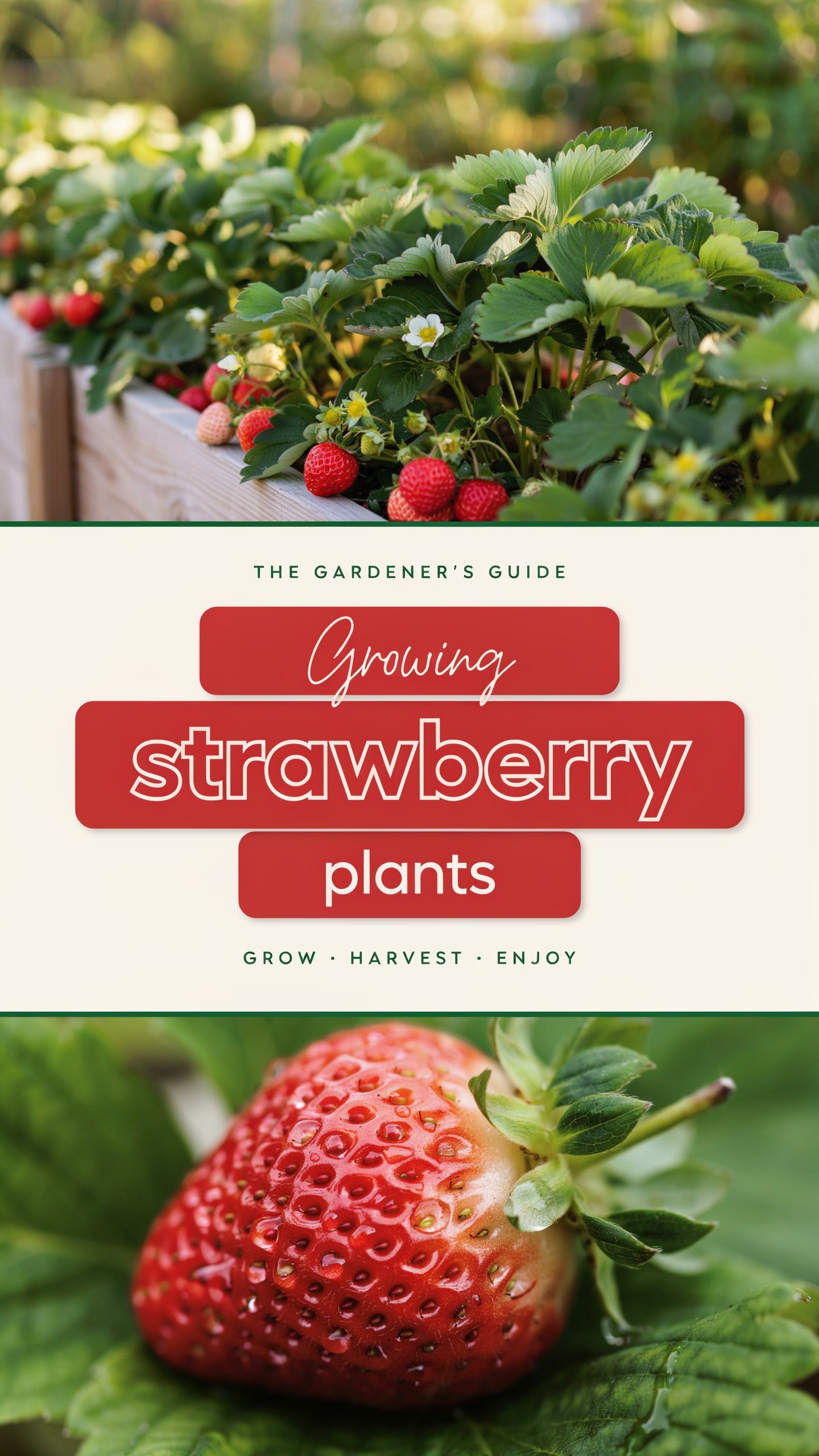

Imagine stepping into your backyard on a warm summer morning, plucking a ripe, sun-warmed strawberry straight from the plant, and popping it into your mouth. That burst of sweet-tart flavor beats anything from the grocery store.
If you’ve ever wondered why your store-bought berries taste bland or how to stop wasting money on plastic packs that go bad too fast, you’re not alone. Growing strawberry plants at home is simpler than most beginners think—and incredibly rewarding. In this guide, I’ll walk you through everything you need to know, from picking the right varieties to harvesting your first juicy crop.
Whether you have a spacious garden, a small patio, or just a sunny windowsill, you can grow delicious strawberries. Let’s get started so you can enjoy homegrown berries this season.
Quick Answers About Growing Strawberry Plants
How long do strawberry plants take to produce fruit? Most varieties give you berries in the first year if planted early, though the biggest harvest often comes in year two.
Can you grow strawberries in pots? Absolutely! Containers work great for small spaces. Just ensure good drainage and at least 6-8 hours of sun.
When is the best time to plant strawberries? Early spring is ideal in most areas, or late summer/fall for establishment before winter.
How much water do they need? About 1-1.5 inches per week, keeping soil evenly moist but not soggy.
Are strawberries hard to grow? Not at all for beginners. With the right spot and basic care, even first-timers get great results.
Why Grow Your Own Strawberry Plants?
Homegrown strawberries taste worlds better—sweeter, more aromatic, and picked at peak ripeness. You control what goes on them, skipping pesticides and enjoying organic freshness. Plus, the plants are perennial, returning year after year with minimal effort.
I’ve grown strawberries for years, and nothing beats watching those little white flowers turn into red gems. It’s a fun project for kids too, teaching patience and the joy of gardening.
Choosing the Right Strawberry Varieties
Not all strawberries are the same. Picking the right type makes a huge difference in your success.
June-bearing strawberries produce one big crop in late spring or early summer. They’re perfect if you want enough berries for jamming or freezing. Popular ones include ‘Earliglow’ (excellent flavor, early), ‘Allstar’ (disease-resistant, large), and ‘Honeoye’ (reliable and productive).
Everbearing strawberries give two smaller harvests—one in spring and another in fall. Great for steady snacking.
Day-neutral strawberries fruit throughout the growing season as long as temperatures stay moderate. Varieties like ‘Tristar’ or ‘Seascape’ shine here, offering continuous production ideal for containers or small gardens.
For beginners, I recommend starting with a mix or day-neutral types. Check your local nursery or extension service for varieties that thrive in your climate and resist common diseases.
Preparing the Perfect Spot for Your Strawberry Plants
Strawberries love sunshine. Aim for 6-10 hours of direct sun daily. Less sun means fewer, smaller berries.
Soil is key. They prefer well-draining, loamy soil with a pH between 5.5 and 6.8. Heavy clay? Build raised beds or amend with plenty of compost. Sandy soil? Mix in organic matter to hold moisture.
Avoid spots where tomatoes, peppers, or other strawberries grew recently to prevent disease buildup. Good air circulation helps too—don’t cram them into tight corners.
How to Plant Strawberry Plants Step by Step
Timing matters. Plant in early spring when soil is workable, or in late summer for next year’s crop.
- Buy healthy plants. Bare-root or potted starters from reputable sources work best. Avoid weak or diseased ones.
- Prepare the bed. Remove weeds, work in compost or well-rotted manure. Create mounds or rows for better drainage.
- Space them right. For matted rows, plant 12-18 inches apart in rows 3-4 feet apart. In containers, one plant per 8-10 inch pot or multiple in larger ones.
- Plant at the right depth. This is crucial! Set the crown (where leaves meet roots) at soil level—half buried, half exposed. Too deep and it rots; too shallow and roots dry out.
- Water thoroughly. Gently firm the soil and give them a good drink.
Pinch off flowers in the first year for June-bearers to build strong roots. You’ll get a bigger payoff later.
Caring for Growing Strawberry Plants
Consistent care keeps plants happy and productive.
Watering: Keep soil moist, especially when flowering and fruiting. Water at the base to avoid wetting leaves, which can invite disease. Containers dry out faster, so check daily in heat.
Mulching: Apply straw, pine needles, or shredded leaves around plants. It suppresses weeds, retains moisture, and keeps berries clean and off the soil.
Fertilizing: Strawberries are moderate feeders. Use a balanced fertilizer or compost tea. Apply lightly after planting and again after harvest. Avoid too much nitrogen, which gives lush leaves but few berries.
Managing Runners: These long stems create new plants. Let some fill in for matted rows, but remove excess to prevent overcrowding. Redirect them into new spots if you want more patches.
I like to walk my strawberry bed every few days—it’s relaxing and lets me spot issues early.
Common Beginner Mistakes to Avoid
Even experienced gardeners slip up sometimes. Here are pitfalls I’ve seen (and made!):
- Burying the crown too deep.
- Planting in shady or poorly drained spots.
- Inconsistent watering—drying out or drowning roots.
- Letting weeds take over.
- Ignoring runners until the bed becomes a tangled mess.
- Over-fertilizing, leading to weak plants.
Start small, learn as you go, and don’t stress perfection.
Troubleshooting Problems with Strawberry Plants
Issues pop up, but most are fixable.
Yellow leaves: Often nitrogen deficiency or overwatering. Test soil and adjust.
No flowers or fruit: Could be too much shade, young plants, extreme heat, or poor pollination. Add bee-friendly flowers nearby.
Small or misshapen berries: Poor pollination, drought, pests like tarnished plant bugs, or overcrowded plants.
Pests: Slugs, birds, and aphids love strawberries. Use netting for birds, beer traps or copper tape for slugs, and neem oil for aphids if needed.
Diseases: Powdery mildew, botrytis (gray mold), or root rot. Improve air flow, avoid overhead watering, and remove affected parts. Rotate locations over years.
Keep an eye out after rain or humid spells. Healthy plants resist problems better, so focus on basics first.
Harvesting and Enjoying Your Strawberries
The fun part! Berries ripen about 30 days after flowers appear. Pick when fully red and fragrant—gently twist or snip the stem. Harvest every couple of days to encourage more production.
Eat fresh, make jam, freeze for smoothies, or bake into treats. Homegrown ones freeze beautifully.
After the main harvest, renovate June-bearing beds by mowing or trimming foliage (don’t damage crowns), weeding, and fertilizing lightly.
Propagating More Strawberry Plants
Strawberries make it easy. Pin runners into soil or pots where you want new plants. Once rooted, cut from the mother. This is a free way to expand your patch or share with friends.
Replace plants every 3-5 years as they become less productive.
Growing Strawberries in Containers and Small Spaces
No yard? No problem. Use hanging baskets, window boxes, or vertical planters. Day-neutral varieties excel here. Ensure pots have drainage holes and use quality potting mix.
Elevated planters reduce slug issues and make picking easier on your back.
Extending Your Strawberry Season
Combine varieties for longer harvests. Protect with row covers for early starts or late frosts. In colder climates, mulch heavily for winter protection.
FAQs About Growing Strawberry Plants
How many strawberry plants do I need for a family? 10-25 plants usually provide plenty for fresh eating, with extras for preserving. Start with 10-15 if space is limited.
Do strawberries come back every year? Yes, they’re perennials. With proper care, they’ll produce for several years.
Can I grow strawberries from seed? It’s possible but slower and less reliable. Most gardeners start with plants or bare roots for faster results.
Why are my strawberries not sweet? Sunlight, variety, and letting them ripen fully on the plant matter most. Stress from drought or poor soil can affect flavor too.
How do I protect strawberries from birds and slugs? Bird netting over hoops works wonders. For slugs, mulch with straw and use organic barriers or traps.
What’s the best fertilizer for strawberry plants? A balanced organic option or one higher in phosphorus for fruiting. Compost is often enough for healthy soil.
Can strawberries grow in shade? They tolerate partial shade but produce best in full sun. More sun equals more sweetness.
Final Thoughts on Growing Strawberry Plants
There’s something magical about tending strawberry plants and reaping the rewards. From tiny starters to overflowing baskets of berries, it’s a journey that connects you to nature and brings real satisfaction.
Don’t wait for the “perfect” time—grab some plants and start small. Your future self (and taste buds) will thank you. Share your harvest with neighbors, experiment with recipes, and enjoy every bite.
Ready to grow your own? Head to your local garden center or order online today. Happy planting—I can’t wait to hear about your juicy success!