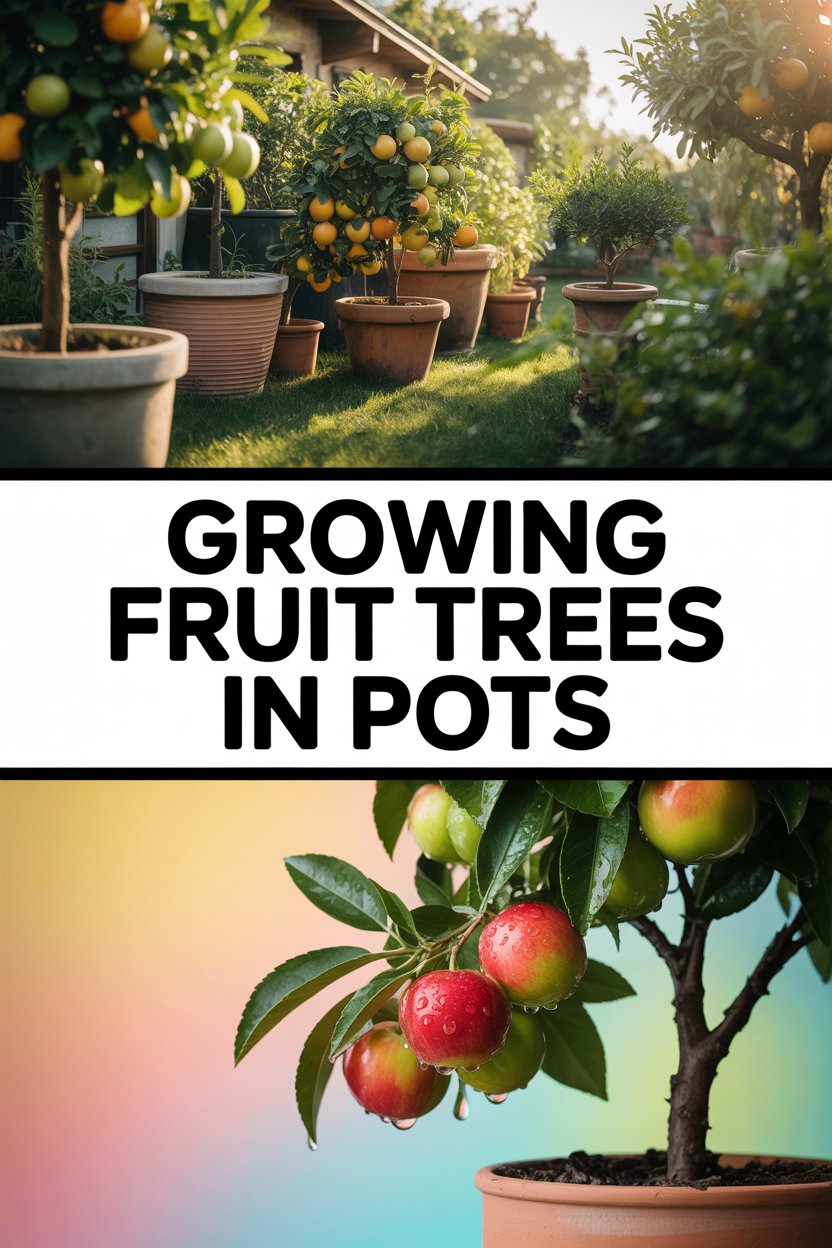
Have you ever bitten into a crisp, juicy apple and wondered if you could grow your own tree from that very seed? It feels almost magical—like turning kitchen scraps into a future orchard. But many beginners get discouraged, thinking it’s too complicated, takes forever, or won’t produce decent fruit.
The good news? Growing an apple tree from seed is simpler than you think, incredibly rewarding, and totally doable even if you’re new to gardening. In this guide, I’ll walk you through everything step by step, share the mistakes I’ve seen (and made), and help you turn those little seeds into thriving trees. Let’s dig in!
Quick Answer: Can You Really Grow an Apple Tree from Seed?
Yes! You can grow an apple tree from seed. It requires cold stratification (mimicking winter), proper planting, and patience. Expect germination in weeks after stratification, a young tree in the first year, and potential fruit in 4–10 years (though results vary). The apples may taste different from the parent fruit, but that’s part of the fun—you might discover your own unique variety.
Why Grow an Apple Tree from Seed?
There’s something special about starting from scratch. Store-bought saplings are convenient, but seeds cost nothing and let you experiment. You connect deeply with the plant’s full life cycle.
Apple trees from seed are often vigorous and adaptable. They make fantastic rootstocks for grafting later or beautiful landscape trees even if fruit isn’t perfect. Plus, it’s a wonderful project for families—kids love watching the magic unfold.
Of course, expectations matter. Unlike grafted trees, seedlings are genetically unique. The fruit might be sweeter, tart, or even crabapple-like. Embrace the surprise!
What You’ll Need to Get Started
Gather these simple supplies before you begin:
- Fresh, ripe apples (organic or from a farmer’s market work best)
- Paper towels or moist sand
- Ziplock bags or small containers
- Well-draining potting mix
- Small pots or seed trays with drainage
- A refrigerator for stratification
- Sunny windowsill or grow lights
- Patience (the most important ingredient!)
Step 1: Harvesting and Preparing Apple Seeds
Start with ripe apples. Cut them open carefully and remove the seeds. Each apple usually has 5–10 seeds. Pick out the plump, dark brown ones—avoid shriveled or damaged seeds.
Rinse them gently under cool water to remove pulp. Some gardeners soak them briefly in a dilute bleach solution (about 10%) for a minute or two to prevent mold, then rinse thoroughly. Lay them on a paper towel to air-dry for a few hours. Don’t let them dry out completely if you plan to stratify right away.
Pro Tip: Save seeds from several different apples. This increases your chances of getting at least a few strong seedlings and adds variety.
Step 2: Cold Stratification – The Key to Success
Apple seeds need a period of cold, moist conditions to break dormancy. This is called stratification. Without it, they may not germinate or will take much longer.
How to Stratify Seeds
- Moisten a paper towel (not soaking wet—wrung out well).
- Place 5–10 seeds on the towel, fold it, and slip into a labeled Ziplock bag.
- Put the bag in the refrigerator (around 35–40°F / 2–4°C).
- Check weekly for moisture and remove any moldy seeds.
Stratify for 60–120 days (2–4 months). Many gardeners start in late fall or winter for spring planting.
Alternative method: Mix seeds with slightly damp sand in a container and refrigerate the same way. Or try winter sowing—plant seeds in containers outdoors in late fall and let nature do the work (protect from extreme freezes and animals).
Common Mistake: Forgetting to check the bag. Too dry and seeds fail; too wet and they rot. A quick weekly peek keeps things perfect.
Step 3: Planting Your Germinated Seeds
After stratification, seeds may show tiny white roots—that’s your cue! If not, plant them anyway; many sprout after planting.
Fill small pots or trays with moist, well-draining potting mix. Plant seeds about ½ inch deep, spacing them 1–2 inches apart. Cover lightly, water gently, and place in a warm spot (around 65–75°F / 18–24°C) with bright light.
Keep soil consistently moist but never soggy. Germination usually happens within 1–3 weeks. You’ll see the little cotyledons (seed leaves) push up—pure joy!
Beginner Tip: Plant more seeds than you need. Not every one will sprout, but a dozen often yields several healthy seedlings.
Caring for Apple Seedlings
Once sprouted, your tiny trees need consistent care:
- Light: At least 6–8 hours of bright light daily. South-facing windows or grow lights prevent leggy growth.
- Watering: Water when the top inch of soil feels dry. Bottom watering helps avoid damping-off disease.
- Temperature: Keep them warm but not hot. A gentle fan strengthens stems.
- Fertilizer: Wait until true leaves appear, then use a diluted balanced fertilizer every few weeks during growth.
Transplant to larger pots as roots fill the container. By the end of the first season, seedlings can reach 6–18 inches tall.
Transplanting to the Garden
Choose a sunny spot with well-draining soil. Apple trees love full sun (at least 6–8 hours) and slightly acidic to neutral pH. Space standard trees 20–30 feet apart or closer for dwarfs if you graft later.
Dig a hole twice as wide as the root ball but no deeper. Plant at the same depth as in the pot. Water deeply and mulch around the base (keep mulch away from the trunk).
Protect young trees from deer, rabbits, and rodents with fencing or guards.
Long-Term Care for Your Apple Tree
As your tree grows:
- Prune annually in late winter to shape it and encourage strong branches.
- Water deeply during dry spells, especially the first few years.
- Fertilize in spring with a balanced or fruit-tree formula.
- Monitor for pests like aphids or diseases like apple scab. Organic sprays or good airflow help.
Real-World Insight: My first seedling grew faster than expected once in the ground. The roots went deep, and it handled our variable weather better than some store-bought trees.
How Long Until You Get Apples?
This is the big question. Apple trees from seed typically take 4–10 years to bear fruit, sometimes longer. Some lucky growers see blossoms in 3–5 years, but reliable production often arrives around year 6–8.
Don’t let the timeline discourage you. The tree grows beautifully in the meantime, providing shade, flowers, and habitat for pollinators.
Common Beginner Mistakes to Avoid
- Planting too deep or in poor soil.
- Overwatering seedlings, leading to rot.
- Skipping stratification (big germination fail).
- Expecting identical fruit to the parent apple.
- Neglecting protection from animals.
Troubleshooting:
- No germination? Check stratification time and moisture.
- Leggy seedlings? More light or a fan.
- Yellow leaves? Could be overwatering or nutrient deficiency.
- Slow growth? Ensure full sun and consistent moisture.
Patience fixes most issues. Nature has its own pace.
Benefits of Growing Your Own Apple Tree
Beyond fresh fruit (when it comes), you’ll enjoy:
- A sense of accomplishment.
- Potential for unique apple varieties.
- Beautiful spring blossoms.
- Wildlife-friendly habitat.
- Skills you can share with friends and family.
It’s sustainable, too—zero shipping emissions for your future harvests.
Troubleshooting Common Problems
Damping-off: Fungal issue in overly wet soil. Improve airflow and avoid overwatering.
Pests: Aphids love tender new growth. A strong spray of water or insecticidal soap usually handles them.
Winter Damage: Mulch well and consider wrapping young trunks in harsh climates.
Poor Fruit Set Later: Needs a pollinator partner. Plant another apple or crabapple nearby.
Observe your tree closely. Small adjustments make a big difference.
FAQs About Growing an Apple Tree from Seed
Can you grow an apple tree from any apple seed? Yes, but results vary. Seeds from grocery store apples work, though organic or local ones may be fresher. The resulting tree won’t be identical to the parent.
How long does it take for an apple tree from seed to grow? Germination happens in weeks after stratification. You’ll have a small tree in year one, but fruiting usually takes 4–10 years.
Do apple seeds need to be stratified? Yes, almost always. Cold-moist stratification for 60–120 days mimics winter and dramatically improves germination rates.
Will my apple tree produce edible fruit? Most likely, though quality varies. Some seedlings produce excellent eating apples; others make better cider or wildlife food. It’s an adventure!
Can I grow an apple tree from seed indoors? Yes, for the first year or two. Eventually, transplant outdoors for best long-term health and fruit production.
What if my seedlings die after sprouting? Check watering, light, and soil drainage. Start extra seeds next time for better odds.
Final Thoughts: Your Apple Tree Journey Awaits
There’s nothing quite like the day you spot that first tiny green sprout pushing through the soil. It’s a reminder that big things start small and that with a little care and time, you can grow something truly special.
Growing an apple tree from seed teaches patience, resilience, and wonder. Even if your first harvest is years away, the journey itself is the real reward. Grab some apples, save those seeds, and start today.
I’d love to hear about your apple-growing adventures in the comments. Which variety will you try first? Happy planting—and may your future harvests be sweet and abundant!