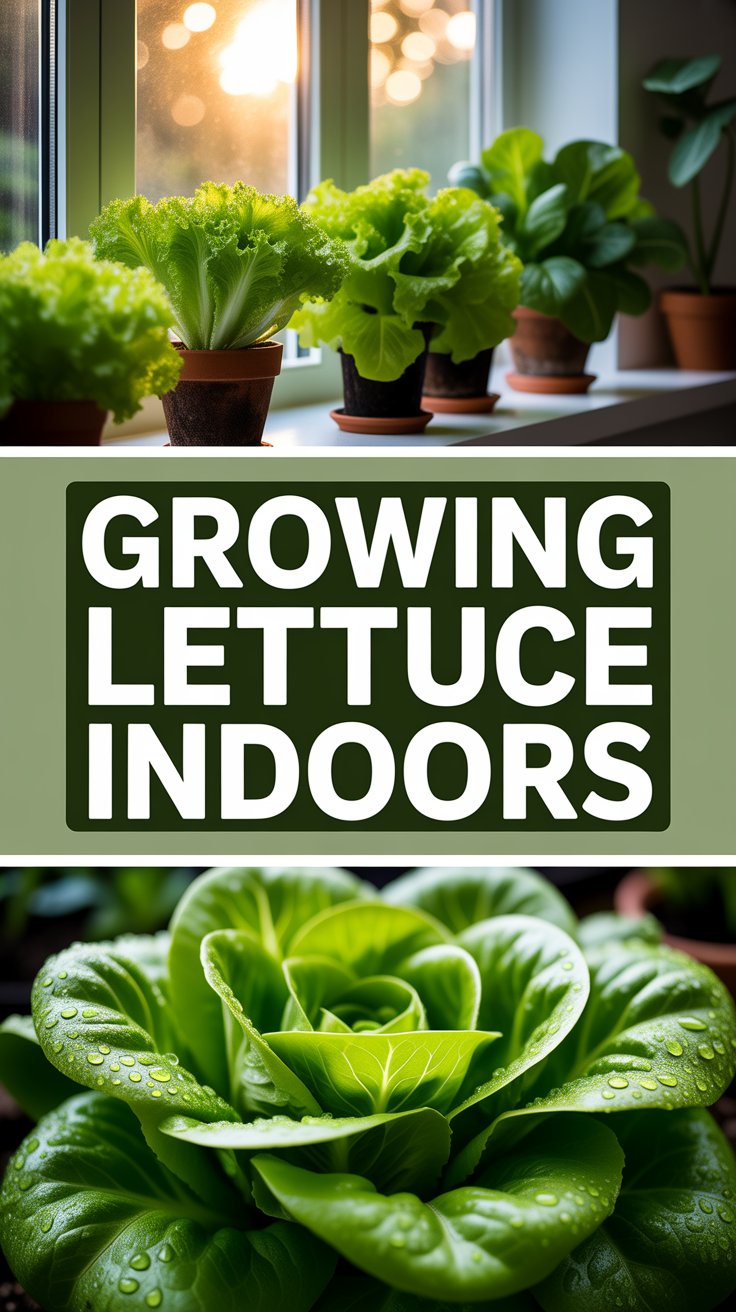
Imagine stepping onto your balcony or kitchen windowsill and snipping crisp, vibrant lettuce leaves for your lunch salad—minutes after picking them. No more wilted grocery store bags or worrying about pesticides. Growing lettuce in containers makes this possible, even if you have zero garden space.
If you’re a beginner who’s tried and failed with container gardening before, or you’re just dreaming of that first successful harvest, this guide is for you. Lettuce is one of the fastest, easiest, and most forgiving crops for pots. In just a few weeks, you can go from a handful of tiny seeds to a steady supply of fresh greens.
Quick Answer: Can You Grow Lettuce in Containers?
Yes—absolutely. Lettuce has shallow roots and grows quickly, making it perfect for containers. Use a pot at least 6 inches deep and wide, quality potting mix, consistent moisture, and 4–6 hours of sunlight. Loose-leaf varieties are easiest for beginners and allow “cut-and-come-again” harvests that keep producing for weeks.
Why Growing Lettuce in Containers Is a Game-Changer
Container gardening removes so many barriers. You control the soil, sunlight exposure, and even move pots indoors during extreme weather. It’s ideal for apartments, patios, balconies, or tiny backyards.
Lettuce matures fast—often ready in 30–45 days for baby leaves—and doesn’t need much space. One or two well-tended pots can keep your family in salads all season. Plus, homegrown lettuce tastes sweeter and crunchier than anything from the store.
I’ve grown lettuce on a small deck for years now. There’s something deeply satisfying about grabbing scissors and harvesting dinner straight from the pot while the rest of the plant keeps growing.
Choosing the Best Lettuce Varieties for Containers
Not all lettuces behave the same in pots. Focus on compact, fast-growing types.
Loose-leaf varieties shine here. They don’t form tight heads, so you harvest outer leaves continuously. Great options: Black Seeded Simpson (fast and mild), Red Sails (beautiful color, heat-tolerant), Oakleaf (lobed leaves, slow to bolt), and Salad Bowl.
Butterhead types like Buttercrunch or Tom Thumb form small, tender heads and stay compact—perfect for smaller pots.
Romaine (like Little Gem) works well if you give it a bit more depth and space. It’s crisp and upright.
Crisphead/iceberg is trickier in containers because it needs more time and consistent cool conditions. Save it for later when you’re more experienced.
Mix varieties in one pot for a colorful mesclun blend. It looks gorgeous and gives you varied textures and flavors.
Picking the Right Containers for Lettuce
Lettuce roots are shallow, so you don’t need deep pots—but width helps.
- For leaf lettuce: At least 6–8 inches deep and 12 inches wide. One pot can hold several plants.
- For heading types: 8–12 inches deep and wider (12–16 inches) for room to form heads.
Best materials:
- Terracotta or ceramic (breathable, but watch moisture).
- Plastic (lightweight, retains moisture better).
- Fabric grow bags (excellent drainage and root aeration).
- Window boxes or wooden planters for a pretty display.
Key must-haves: Drainage holes! Without them, roots rot fast. If your pot doesn’t have them, drill some. Elevate pots slightly on feet or bricks for better airflow underneath.
I love using fabric grow bags because they’re affordable, portable, and prevent roots from circling.
The Perfect Soil Mix for Container Lettuce
Never use garden soil in pots—it compacts, drains poorly, and may carry pests.
Use a high-quality potting mix designed for containers. Look for one with:
- Coconut coir or peat moss for moisture retention.
- Perlite or vermiculite for aeration and drainage.
- Compost for nutrients.
A simple homemade blend: 60% potting mix, 30% compost, 10% perlite. Aim for slightly acidic to neutral pH (6.0–7.0). Lettuce loves nitrogen-rich soil for lush leaves.
Fill the container to about an inch below the rim. This prevents overflow when watering and gives space for mulch if you want.
Step-by-Step: How to Plant Lettuce in Containers
Timing
Lettuce is a cool-season crop. Plant in early spring or late summer/fall. Ideal soil temps are around 45–75°F (7–24°C). In hot areas, grow in spring and fall, or provide shade.
Succession planting every 2–3 weeks keeps your supply steady.
From Seed (Easiest and Cheapest)
- Moisten your potting mix thoroughly.
- Scatter seeds thinly on the surface—don’t bury deeply. Lettuce needs light to germinate. Cover very lightly (1/8 inch) with mix or vermiculite.
- Mist gently to settle. Keep soil consistently moist.
- Place in bright, indirect light. Germination usually takes 5–10 days.
- Thin seedlings when they have true leaves: 4–6 inches apart for loose-leaf, 6–8+ inches for heading types. Eat the thinnings—they’re delicious microgreens!
From Transplants
Buy healthy seedlings from a nursery. Plant at the same depth they were growing, firm the soil, and water well.
Caring for Your Container Lettuce
Sunlight: 4–6 hours of direct sun daily is ideal. Morning sun is best. In summer heat, move pots to afternoon shade to prevent bolting.
Watering: This is the biggest key. Containers dry out faster than garden beds. Keep soil consistently moist—like a wrung-out sponge—but never soggy. Check daily by sticking your finger an inch into the soil. Water at the base to avoid wetting leaves.
Fertilizing: Mix in compost at planting. After a few weeks, feed every 2–4 weeks with a diluted liquid organic fertilizer high in nitrogen (fish emulsion or kelp works great). Don’t overdo it—too much can lead to weak growth.
Mulching: A thin layer of straw or shredded leaves helps retain moisture and keeps leaves clean.
Harvesting Lettuce the Smart Way
The “cut-and-come-again” method is magic for containers. When plants reach 4–6 inches, snip outer leaves with clean scissors, leaving the center crown intact. The plant keeps producing.
Harvest in the morning when leaves are crisp. For baby greens, cut earlier and more often. Mature plants can give multiple harvests over weeks.
For heading types, wait until heads form and cut the whole plant or outer leaves.
Common Beginner Mistakes to Avoid
- Planting too deep or too crowded.
- Using garden soil instead of potting mix.
- Letting soil dry out completely (leads to bitterness).
- Too much heat without shade.
- Poor drainage causing root rot.
- Forgetting to thin seedlings—crowding stunts growth.
I’ve made most of these mistakes myself. Learning from them makes the next batch even better.
Troubleshooting Problems Growing Lettuce in Containers
Bolting: Plant shoots up and leaves turn bitter. Caused by heat or stress. Harvest immediately, provide shade, and plant heat-tolerant varieties next time.
Yellow leaves: Often overwatering, underwatering, or nutrient issues. Adjust watering and feed lightly.
Pests (aphids, slugs, snails): Inspect regularly. Rinse with water, use neem oil, or copper tape for slugs. Companion herbs like chives can help deter them.
Slow growth: Not enough light, nutrients, or water. Check conditions and fertilize.
Bitter taste: Inconsistent moisture or heat. Keep soil even and harvest young.
No heads forming: Could be variety, heat, or overcrowding. Stick to loose-leaf for reliability.
Containers make troubleshooting easier because you can move plants and inspect roots quickly.
Creative Container Ideas and Companion Planting
Mix lettuce with herbs like basil, parsley, or chives—they look great and some repel pests. Radishes or green onions also pair well in the same pot.
Try vertical planters or stacked pots for more production in tiny spaces. Window boxes along a railing create a living salad bar.
Indoors: Grow under a simple grow light on a sunny windowsill for year-round harvests.
Extending Your Harvest Season
In hot climates, use shade cloth or move pots to cooler spots. In cold areas, bring pots inside or use cloches/row covers for protection.
Succession sowing and choosing bolt-resistant varieties stretch your season significantly. Some gardeners even grow lettuce hydroponically indoors for continuous supply.
Real-World Tips from a Container Gardener
After several seasons, I’ve learned that consistency beats perfection. Water in the morning. Check pots daily in summer. Don’t be afraid to experiment with varieties—some will surprise you with how well they perform in your specific microclimate.
The best part? Even a single pot on a tiny balcony can produce more than you expect. Kids love helping harvest, and it’s a wonderful way to teach them where food comes from.
Frequently Asked Questions About Growing Lettuce in Containers
How deep should containers be for lettuce? At least 6 inches for loose-leaf; 8–12 inches for heading varieties. Wider is better than deeper.
Can I grow lettuce indoors year-round? Yes! Use a sunny windowsill or grow lights. Keep temps cool and provide consistent moisture.
How often should I water lettuce in pots? Daily or every other day, depending on weather. Never let the top inch dry out completely, but avoid waterlogging.
What’s the fastest lettuce for containers? Loose-leaf types like Black Seeded Simpson or Salad Bowl—ready for baby greens in as little as 3–4 weeks.
Why is my container lettuce bitter? Usually heat stress, inconsistent watering, or letting it mature too long. Harvest earlier and keep conditions cool.
Do I need to fertilize lettuce in containers? Yes, lightly every couple of weeks after the first few weeks, since nutrients leach out faster in pots.
Can I reuse the soil for another crop? Refresh with new compost or top-dress. For best results, replace or amend heavily between seasons.
Final Thoughts: Your First (or Next) Lettuce Harvest Awaits
There’s nothing quite like the pride of growing your own food. Growing lettuce in containers is the perfect entry point—simple, quick, and incredibly rewarding. You’ll save money, eat fresher, and maybe even inspire friends to start their own little edible oases.
Start small with one pot, a packet of seeds, and good potting mix. Before you know it, you’ll have lush green leaves ready whenever you want them. Grab those scissors, snip some leaves, toss them in a bowl with your favorite dressing, and enjoy the fruits (or rather, leaves) of your labor.
What are you waiting for? Head outside (or to your windowsill), plant some lettuce today, and let me know in the comments how your first harvest goes. Happy growing—I can’t wait to hear about your salad success!