Imagine stepping into your backyard on a warm summer morning, reaching out to pluck a perfectly ripe tomato still warm from the sun. The flavor explodes in your mouth—sweet, tangy, nothing like the bland ones from the store. If you’ve ever wanted that experience but felt overwhelmed by where to start, you’re not alone.
Planting tomatoes in garden soil can feel intimidating for beginners. Questions swirl: When’s the right time? How deep do I plant them? What if they get sick? The good news? With a few simple steps and some practical know-how, anyone can grow a bountiful tomato harvest. I’ve been there—my first attempts had leggy plants and split fruits—but over the years, I’ve learned what works. Let’s walk through it together, like chatting over coffee in the garden.
Quick Answer: How to Plant Tomatoes in Your Garden
Best time: After the last frost, when soil is at least 60°F (15–16°C) and nights stay above 50°F. Spacing: 18–36 inches apart, depending on variety. Depth: Plant deep—bury up to two-thirds of the stem. Sun: Full sun, 6–8+ hours daily. Soil: Rich, well-draining, slightly acidic (pH 6.0–6.8). Follow these basics and you’ll be off to a strong start.
Why Growing Your Own Tomatoes Is Worth It
There’s something magical about tomatoes straight from the vine. They taste better, cost less over time, and you control exactly what goes into them—no mystery chemicals. Plus, tomato plants are forgiving once you get the hang of it. Even a couple of healthy plants can produce dozens of pounds of fruit.
For beginners, the key is starting simple. Focus on one or two reliable varieties rather than a dozen exotic ones. You’ll build confidence fast and enjoy the process instead of stressing over every little leaf.
Choosing the Right Tomato Varieties for Your Garden
Not all tomatoes behave the same. Understanding the difference between determinate and indeterminate types saves headaches later.
Determinate tomatoes grow to a certain height (usually 3–4 feet), produce fruit all at once, and work great in smaller spaces or containers. Think Roma or Celebrity—perfect for sauces and canning.
Indeterminate tomatoes keep growing taller (up to 8+ feet) and produce fruit throughout the season until frost. Varieties like Brandywine, Cherry, or Better Boy give you fresh slicing tomatoes all summer long.
Pro tip: Check your local extension service or garden center for varieties resistant to common diseases in your area. Heirloom types taste amazing but may need more care. Hybrids often yield more reliably for new gardeners.
Start with 2–4 plants your first year. You can always expand once you see what thrives in your garden.
When to Plant Tomatoes: Timing Is Everything
Tomatoes are warm-season lovers. Planting too early is one of the biggest beginner mistakes. Cold soil and nights below 50°F stunt growth and invite disease.
Wait until:
- All danger of frost has passed
- Soil temperature hits 60°F at planting depth
- Daytime temps consistently reach 70°F+
In many zones, this means late spring—around Mother’s Day in cooler areas or earlier in the South. Use a soil thermometer; it’s a cheap, game-changing tool.
If you start seeds indoors, begin 6–8 weeks before your last frost date. Harden off seedlings gradually over 7–10 days by exposing them to outdoor conditions a little more each day.
Preparing Your Garden Soil for Tomato Success
Healthy soil makes all the difference. Tomatoes are heavy feeders that crave rich, loose earth.
Test your soil pH if possible—aim for 6.0–6.8. Work in plenty of compost or aged manure a few weeks before planting. Good drainage prevents root rot, so avoid heavy clay without amendments.
My go-to mix in the planting hole:
- A handful of compost
- Crushed eggshells for calcium (helps prevent blossom end rot)
- A sprinkle of bone meal or tomato-specific fertilizer
Mix amendments into the top 12 inches of soil. Raised beds or containers are excellent options if your native soil is poor.
Step-by-Step: How to Plant Tomatoes in Your Garden
Ready to get your hands dirty? Here’s the process I follow every year.
- Choose and prepare the spot. Full sun is non-negotiable. Avoid areas where tomatoes or related plants (peppers, potatoes, eggplant) grew last year to reduce disease risk.
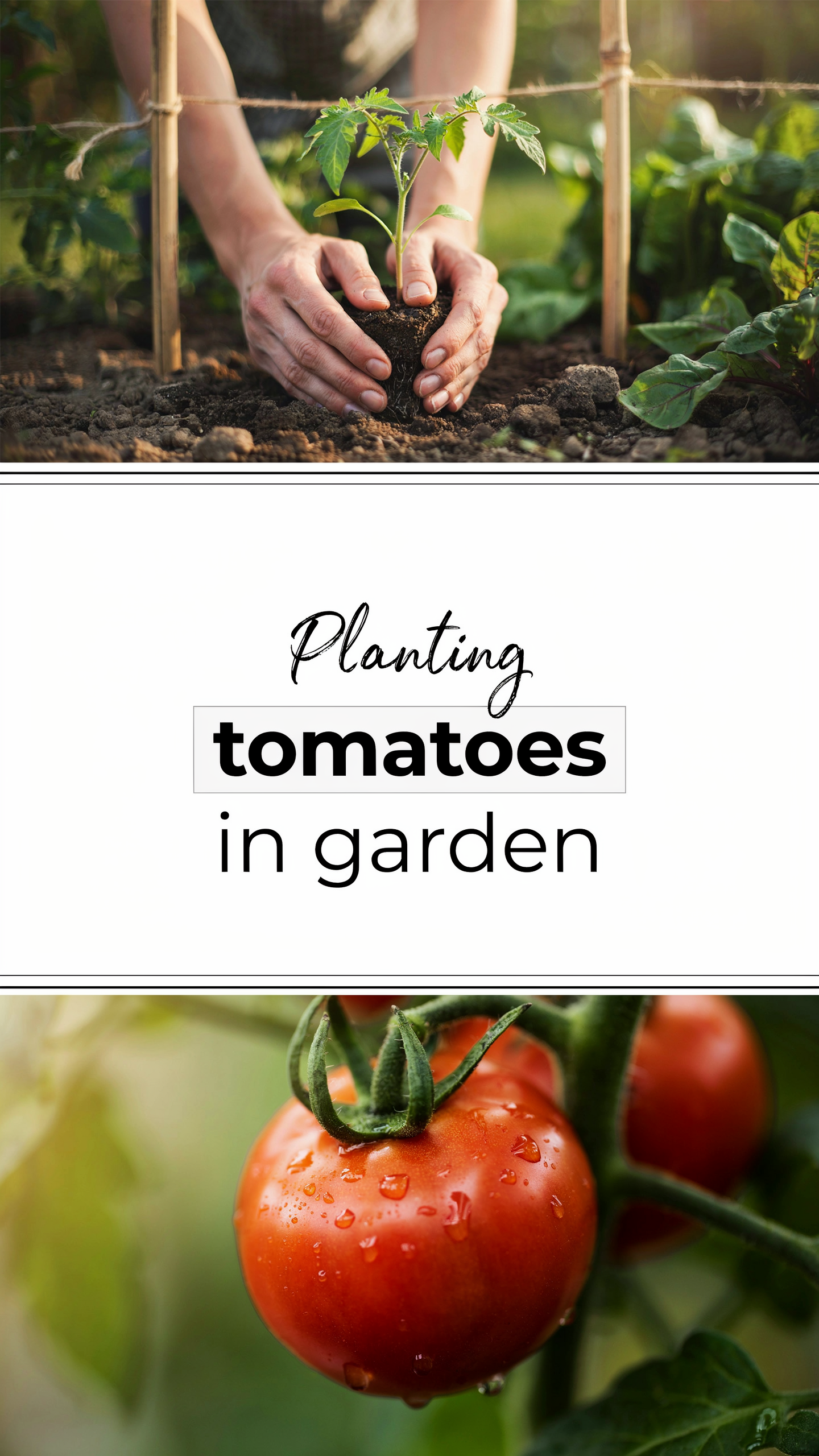
- Dig the hole. Make it deep and wide—twice the width of the root ball and deep enough to bury most of the stem.
- Remove lower leaves. Gently pinch off leaves from the bottom two-thirds of the seedling. These will become roots.
- Plant deeply. Place the plant so only the top few leaves show above soil. Lay it sideways in a trench if the stem is very long—this encourages massive root growth.
- Backfill and firm the soil. Water deeply as you fill to eliminate air pockets. The stem will root along its length for a stronger plant.
- Add support immediately. Install cages, stakes, or trellises at planting time. Disturbing roots later is harder on the plant.
- Mulch around the base. Use straw, leaves, or wood chips 2–3 inches thick. This conserves moisture, suppresses weeds, and keeps soil temperature stable.
Space plants 18–36 inches apart. Determinate types can go closer; indeterminates need more room for air circulation.
Watering, Feeding, and Daily Care Tips
Consistent moisture is crucial. Inconsistent watering causes cracking and blossom end rot.
Watering rules:
- Deeply, 1–2 inches per week (more in heat)
- At the base, not overhead, to keep leaves dry
- Early morning is best
Fertilize with a balanced or tomato-specific product every 4–6 weeks. Too much nitrogen gives you lush leaves but few fruits. Watch for yellowing leaves as a signal to adjust.
Prune suckers on indeterminate varieties for bigger fruits and better airflow. But don’t overdo it—some foliage protects fruit from sunscald.
Common Beginner Mistakes to Avoid When Planting Tomatoes
We’ve all done them. Here are the big ones:
- Planting too early → Cold-stressed plants
- Crowding plants → Disease and poor yields
- Shallow planting → Weak root systems
- Inconsistent watering → Cracked fruit and rot
- Ignoring support → Plants flop and fruits rot on ground
Another sneaky one: Not rotating crops. Tomatoes in the same spot yearly build up soil-borne issues.
Troubleshooting Common Tomato Problems
Even with good care, issues pop up. Here’s how to handle them.
Blossom end rot (black sunken spots on fruit bottom): Usually calcium deficiency or watering swings. Add eggshells or dolomite lime and keep soil evenly moist.
Yellow leaves: Could be nitrogen shortage (lower leaves) or overwatering. Test soil and adjust.
Wilting or spots: Check for fungal diseases like early blight. Remove affected leaves, improve airflow, and consider organic fungicides if needed.
Pests (aphids, hornworms): Hand-pick larger bugs. Companion planting with basil, marigolds, or nasturtiums helps deter some.
Slow growth: Soil too cold, lack of sun, or nutrient imbalance. Be patient in early weeks.
Observe your plants daily. They’ll tell you what they need.
Harvesting and Enjoying Your Tomato Bounty
Fruits ripen best on the vine. Pick when fully colored but still slightly firm. Gently twist or use shears.
At season’s end, pull spent plants and add to compost (unless diseased). Save seeds from your favorites for next year—it’s easy and rewarding.
Real-World Insights from My Garden
One year I planted too close together in excitement. The plants grew huge but fought for light and air, leading to more disease. Lesson learned: Give them space and they’ll thank you with abundance.
Another time, a surprise late frost nipped my first planting. Now I always keep row covers handy for unpredictable springs. Gardening teaches patience and adaptability—skills that spill over into life.
FAQ: Planting Tomatoes in Garden
When is the best time for planting tomatoes in garden? After the last frost when soil warms to 60°F and nights stay above 50°F. Timing varies by zone—check local frost dates.
How deep should I plant tomatoes in the garden? Deep! Bury up to two-thirds of the stem. This unique trick helps tomatoes develop strong roots along the buried portion.
How far apart to space tomatoes when planting in garden? 18–36 inches between plants. Closer for determinate or staked plants; wider for sprawling indeterminates. Good spacing prevents disease.
Can I plant tomatoes in containers or raised beds? Absolutely. Use large pots (at least 5 gallons, bigger is better) with quality potting mix. Raised beds offer excellent control over soil quality.
Why are my tomato leaves turning yellow or spotted? Common causes include nutrient issues, inconsistent water, or fungal diseases. Improve airflow, water at the base, and test soil. Remove affected leaves promptly.
Do tomatoes need full sun? Yes—6–8 hours or more daily. Insufficient light leads to leggy plants and poor fruit production.
Wrapping Up: Your Tomato Garden Awaits
There you have it—everything you need to confidently start planting tomatoes in your garden. From choosing varieties to troubleshooting, the journey is as rewarding as the harvest.
Picture yourself this summer with baskets overflowing with vibrant red, yellow, and orange tomatoes. The pride of growing your own food is hard to beat. It connects you to the seasons and brings simple joy to meals.
Ready to get started? Head to your local garden center this weekend and pick up a few healthy transplants. Your future self (and taste buds) will thank you. Drop a comment below with your favorite tomato variety or first-year questions—I love hearing from fellow gardeners.
Happy planting! May your tomatoes be plentiful and your garden full of life.