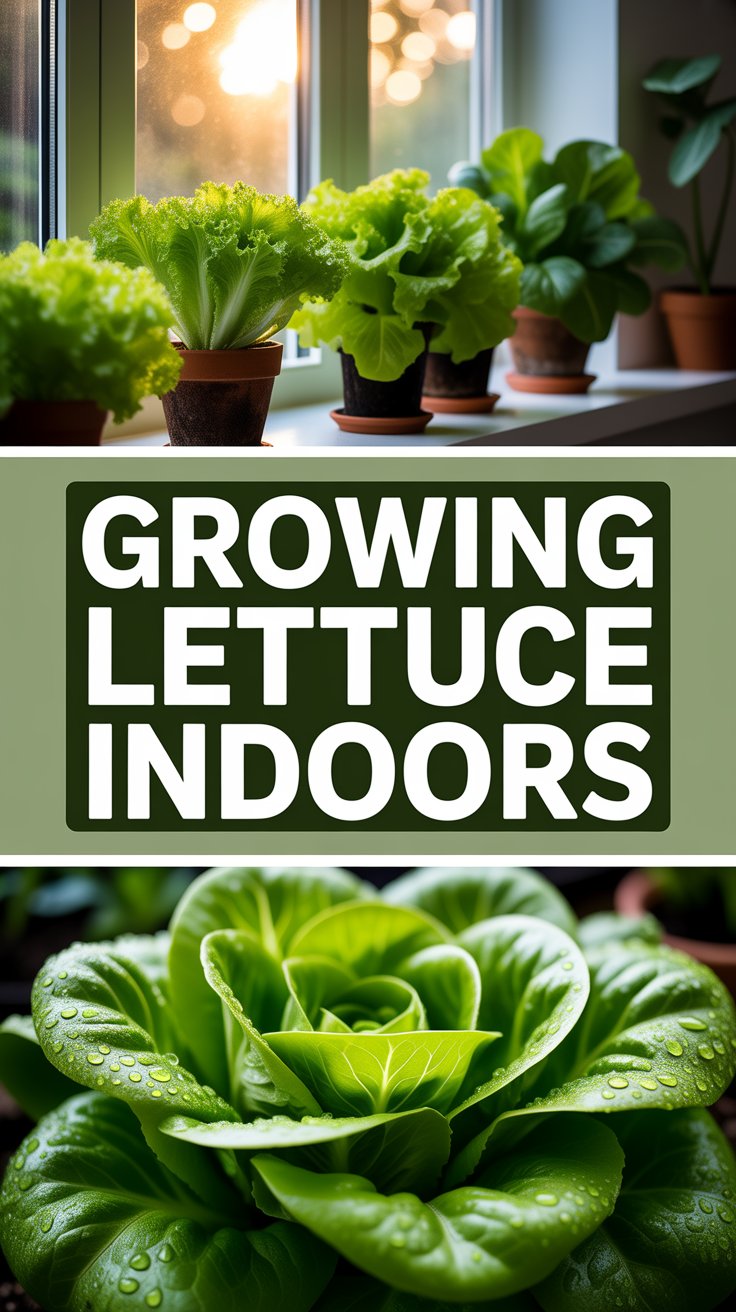

Imagine stepping into your kitchen on a cold winter day, snipping fresh, crisp lettuce leaves right from your windowsill or shelf, and tossing them into a salad minutes later. No more wilted grocery store bags or disappointing trips to the produce aisle. Growing lettuce indoors is one of the easiest and most rewarding ways to start your indoor gardening journey—especially if you’re a beginner with limited space.
Whether you live in a tiny apartment or just want homegrown greens all year, this guide will walk you through everything. I’ve grown lettuce indoors for years, and it’s become a staple in my kitchen. Let’s get you harvesting your own in no time.
Quick Answer: Can You Really Grow Lettuce Indoors Successfully?
Yes! Lettuce is one of the best vegetables for indoor growing. It has shallow roots, grows quickly (baby leaves in 3-4 weeks, full harvest in 6-8 weeks), and thrives in containers with proper light and water. You’ll need pots with drainage, good potting mix, and 12-16 hours of bright light daily (natural or grow lights). Varieties like loose-leaf types work especially well for beginners.
Why Growing Lettuce Indoors Changes Everything
Picture this: It’s February, snow is falling outside, but your counter has vibrant green plants ready for dinner. Growing lettuce indoors means fresh salads anytime, without pesticides, and at a fraction of store prices. It’s perfect for urban dwellers, busy families, or anyone in cold climates.
Lettuce is forgiving. It doesn’t need deep soil or huge space. Plus, it’s fast—many varieties let you harvest “cut-and-come-again” style, where you snip outer leaves and the plant keeps producing. I’ve turned a sunny windowsill into a mini salad bar more times than I can count.
The best part? It’s beginner-friendly. Even if your thumb isn’t very green yet, you’ll see results quickly and build confidence.
Best Lettuce Varieties for Growing Indoors
Not all lettuces are created equal indoors. Focus on loose-leaf and compact varieties that handle lower light and don’t bolt (go to seed) as easily in warmer home temperatures.
- Loose-Leaf Types (easiest for beginners): Black Seeded Simpson (fast, mild, light green), Salad Bowl or Oakleaf (tender, lobed leaves), Red Sails or Ruby (beautiful color, adds flair to salads). These are cut-and-come-again champions.
- Butterhead/Bibb: Buttercrunch or Four Seasons—tender, buttery leaves in small heads. Great for small spaces and tolerant of varying conditions.
- Mini Romaine: Little Gem or compact varieties—crisp hearts without needing much room.
- Avoid or Use Carefully: Full-size crisphead (like iceberg) grows slower and needs more consistent cool temps.
Start with a mesclun mix for variety in one container. Experiment as you go—different colors and textures make salads exciting.
What You’ll Need to Get Started Growing Lettuce Indoors
Keep it simple. Here’s a basic shopping list:
- Containers: 4-8 inches deep with drainage holes. Window boxes, pots, or even recycled yogurt containers work.
- Potting mix: Lightweight, well-draining seed-starting or potting mix (never garden soil—it’s too heavy and may carry pests).
- Seeds: From a reputable source.
- Light: South-facing window or full-spectrum grow lights.
- Spray bottle or watering can for gentle watering.
- Optional: Liquid fertilizer (balanced, diluted), heat mat for germination, small fan for air circulation.
That’s it. No fancy hydroponic system required at first, though you can expand later.
Step-by-Step: How to Plant Lettuce Indoors
1. Choose Your Spot and Prepare Containers
Pick a location with bright, indirect light. A south or west-facing windowsill is ideal. Fill containers with moistened potting mix, leaving about an inch at the top.
2. Sow the Seeds
Sprinkle seeds thinly on the soil surface. Lettuce needs light to germinate, so barely cover them (1/8 inch) or press gently into the soil. Space seeds 1-2 inches apart for baby greens or thin later for larger plants. Mist thoroughly with a spray bottle.
3. Germination and Early Care
Keep soil consistently moist but not soggy. Place in a warm spot (65-75°F/18-24°C). Seeds sprout in 7-14 days. Once up, ensure good light to prevent leggy seedlings.
4. Thin and Transplant if Needed
When seedlings have a few true leaves, thin to 4-6 inches apart. Transplant extras into other pots.
Lighting: The Secret to Thriving Indoor Lettuce
Light is everything when growing lettuce indoors. Aim for 12-16 hours daily. A sunny window might work in summer, but grow lights are your best friend in winter or low-light homes.
Position full-spectrum LED lights 4-6 inches above plants. They stay cool and efficient. Rotate pots for even growth. Insufficient light leads to pale, stretched plants—easy to fix by adding lights.
Real talk: I once tried just a north window. The plants survived but were sad and slow. Lights made all the difference.
Temperature, Humidity, and Watering Basics
Lettuce loves cool conditions: 60-70°F (15-21°C) daytime, a bit cooler at night. Avoid spots near heaters or ovens—it can cause bolting and bitter leaves.
Keep humidity around 50-70%. A pebble tray or small fan helps. Water when the top inch of soil feels dry—keep it evenly moist. Overwatering causes root rot; underwatering leads to wilting and bitterness. Bottom watering or misting works great for seedlings.
Feeding Your Indoor Lettuce Plants
Lettuce is a light feeder. Start fertilizing with diluted balanced liquid fertilizer (like 10-10-10) every 2-3 weeks after true leaves appear. Too much nitrogen makes leaves floppy or promotes bolting. Organic options like compost tea or fish emulsion are excellent.
Harvesting for Continuous Supply
This is the fun part! Start harvesting baby leaves when they’re 3-4 inches tall (about 3-4 weeks). Use clean scissors to snip outer leaves, leaving the center to grow. For heads, wait until mature but harvest before bolting.
One plant can give multiple harvests. Succession plant every 1-2 weeks for a steady supply. I’ve kept a single setup producing for months by harvesting regularly.
Common Beginner Mistakes to Avoid
- Overcrowding: Leads to disease and small plants. Thin early.
- Wrong soil or no drainage: Causes soggy roots and failure.
- Inconsistent watering or light: Results in bitter or leggy lettuce.
- Planting too deep: Seeds need light.
- Ignoring temperature: Warm homes speed up bolting.
Learn from my early fails—start small and observe daily.
Troubleshooting Problems When Growing Lettuce Indoors
Even with care, issues pop up. Here’s how to fix the most common ones:
- Leggy or pale plants: Not enough light. Add or move grow lights closer.
- Yellow leaves: Often overwatering or nutrient lack. Let soil dry slightly and fertilize lightly.
- Wilting: Check water—could be too dry or root rot from too wet.
- Bitter taste: Heat, drought, or maturity. Keep cooler and harvest younger.
- Tip burn (brown edges): Calcium issue or uneven watering. Consistent moisture helps; some varieties are more resistant.
- Mold or pests: Improve airflow. Aphids or fungus gnats are rare indoors but treat with neem or sticky traps if seen.
Monitor daily—indoor plants show problems fast, but they’re quick to recover with adjustments.
Advanced Tips from a Long-Time Indoor Grower
- Try hydroponics or self-watering pots once comfortable for even easier care.
- Companion with herbs like basil for a mini kitchen garden.
- Use reflective surfaces (like foil) to maximize light.
- In very small spaces, vertical planters or stacked systems work wonders.
- Save seeds from successful plants for next round (though hybrids may vary).
Personal observation: Mixing red and green varieties not only looks beautiful but encourages me to eat more salads. Kids love helping harvest too—great family activity.
FAQ: Growing Lettuce Indoors
How long does it take to grow lettuce indoors? Baby leaves ready in 3-4 weeks; full heads or larger harvests in 6-8 weeks. Fast and satisfying!
Can I grow lettuce indoors without grow lights? Yes, in a very bright south-facing window with 6+ hours of strong light. But grow lights give more consistent, better results year-round.
What’s the best container size for lettuce? 4-8 inches deep is perfect. Wider for multiple plants. Shallow roots don’t need deep pots.
Why is my indoor lettuce bolting or bitter? Usually heat stress or inconsistent water/light. Keep temps cool and harvest promptly.
How often should I water lettuce indoors? When the top inch of soil is dry—usually every few days. Keep moist but never soggy. Adjust based on your home’s conditions.
Is growing lettuce indoors worth it? Absolutely. Fresh taste, cost savings, and the joy of homegrown food make it addictive.
Final Thoughts: Your Indoor Lettuce Adventure Awaits
There’s something deeply satisfying about growing your own food, even on a small scale. Growing lettuce indoors brings freshness, flavor, and a bit of green life into your home—no matter the season or weather outside.
Start small today. Grab some seeds, a pot, and give it a try. In a few weeks, you’ll be snipping your own salad and wondering why you didn’t start sooner. Share your harvest pics or questions in the comments—I love hearing fellow gardeners’ stories.
Ready to taste the difference? Your first indoor lettuce harvest is closer than you think. Happy growing