Imagine turning your kitchen scraps into rich, dark soil while living in a tiny apartment. No backyard required. No nasty smells. Just a simple habit that helps the planet and gives your houseplants (or future balcony garden) a serious boost.
If you’ve ever felt guilty tossing veggie peels or coffee grounds into the trash, you’re not alone. Many beginners in apartments think composting is only for people with yards. The good news? It’s totally doable—and even fun—right in your small space. This guide walks you through everything step by step.
Quick Answer: Can You Really Compost in an Apartment?
Yes! Apartment composting is popular and straightforward using methods like vermicomposting (with worms), bokashi, or small countertop bins. You can start with as little as a 1-gallon container under your sink. Most people see their first batch of compost in 2–6 months, depending on the method.
Why Apartment Composting Matters More Than You Think
Every year, households throw away huge amounts of food waste that ends up in landfills, producing methane gas. By composting, you cut that waste dramatically and create “black gold” for your plants.
Living in an apartment doesn’t mean you’re limited. Many urban dwellers successfully compost and report healthier indoor plants, less trash output, and a surprising sense of accomplishment. It’s one small change with big ripple effects.
Choosing the Right Composting Method for Your Apartment
Different methods suit different lifestyles and space levels. Here’s what works best indoors:
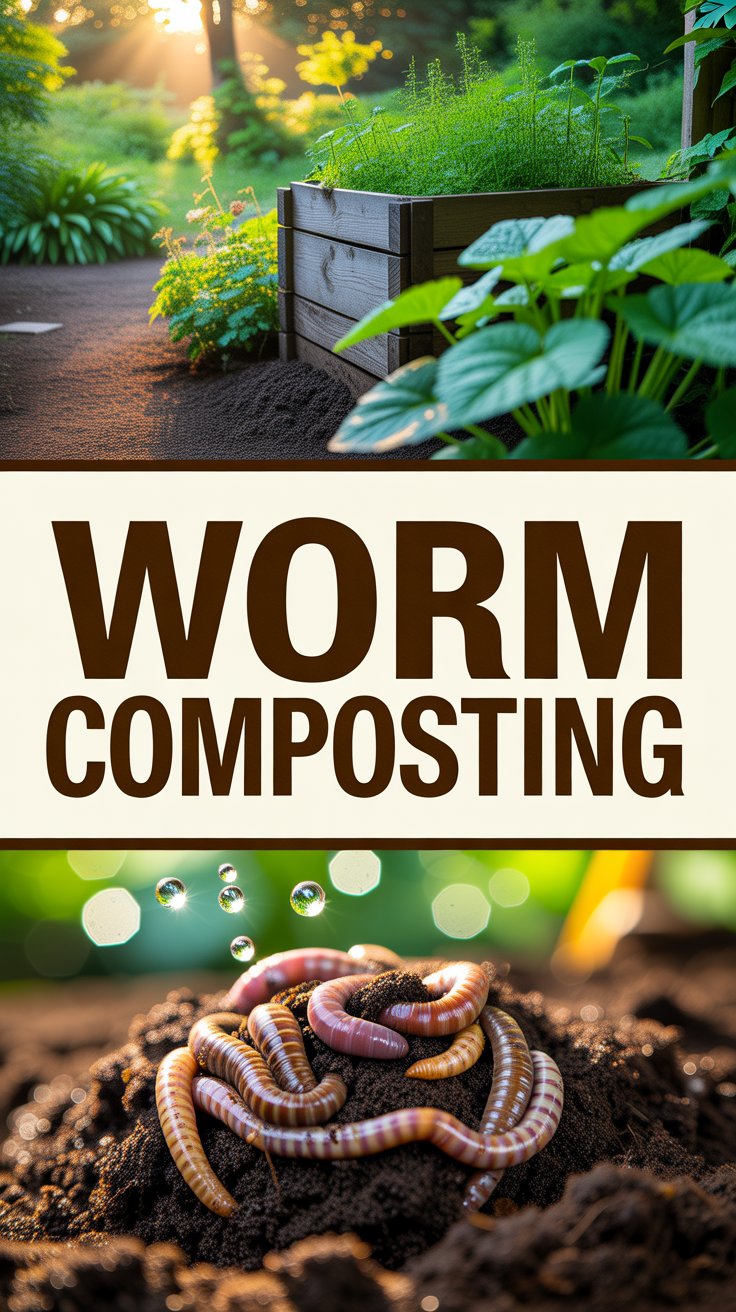
1. Vermicomposting (Worm Bin) Red wigglers eat your scraps and produce rich castings. It’s quiet, compact, and great for beginners once you get the hang of it.
2. Bokashi Fermentation This anaerobic method uses bran and microbes to ferment waste. Perfect if you want faster results and don’t mind a sealed bucket.
3. Electric Composters Countertop machines that heat and grind scraps. They’re convenient but more expensive.
4. Small Tumbler or Countertop Bin Basic setups for those testing the waters without committing to worms.
For most beginners, I recommend starting with vermicomposting or bokashi. Both are low-maintenance once set up.
Getting Started: What You’ll Need for Apartment Composting
You don’t need fancy equipment. Here’s a simple starter list:
- A bin (plastic storage tote, specialized worm bin, or bokashi bucket)
- Bedding material (shredded newspaper, coconut coir, or cardboard)
- “Browns” (dry leaves, paper, cardboard)
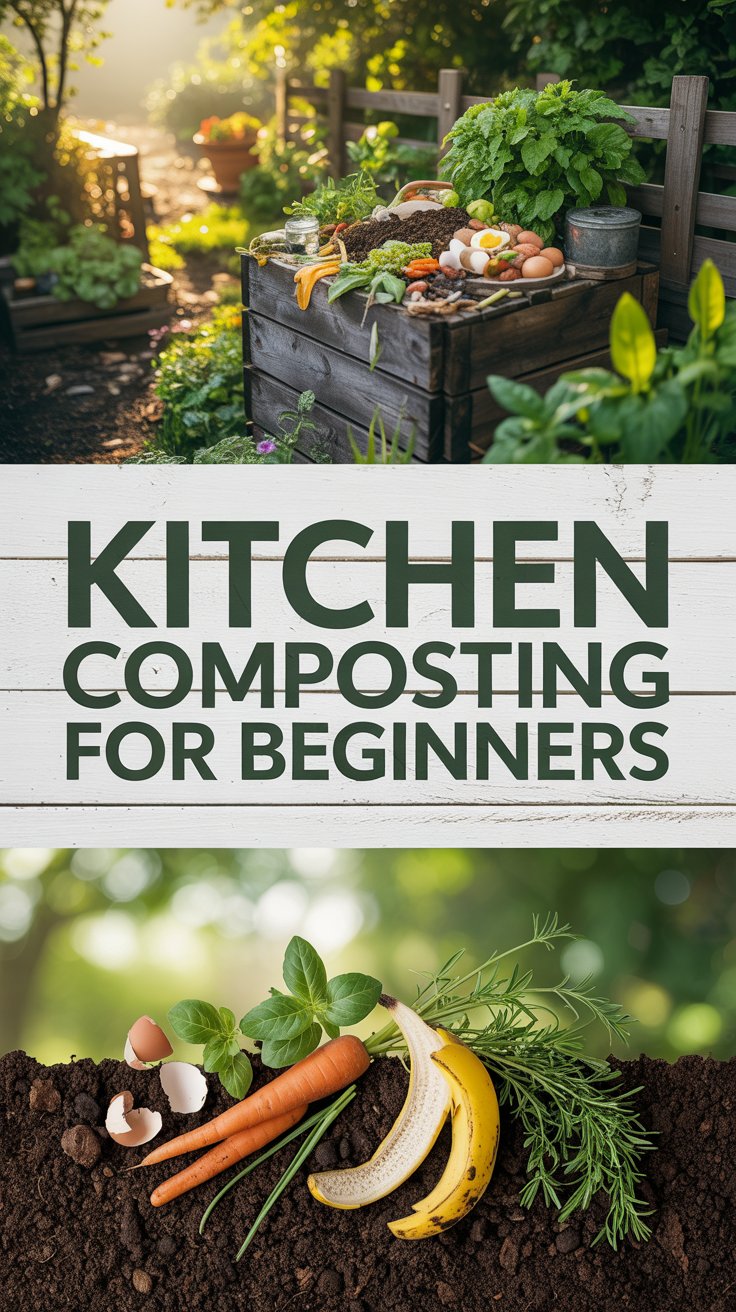
- “Greens” (kitchen scraps)
- Red wigglers (for vermicomposting—buy from a reputable supplier)
- Optional: a small shovel or gloves
Start small. A 5–10 gallon bin fits easily under most sinks or in a closet.
Step-by-Step: How to Set Up Your First Apartment Compost Bin
- Pick a Spot Choose a cool, dark place away from direct heat or sun. Under the sink, in a pantry, or on a balcony works great.
- Prepare Your Bin Drill small holes for airflow if using a plastic tote (for worms). Add 4–6 inches of moist bedding.
- Add Worms (If Vermicomposting) Start with about 1 pound of red wigglers for a small household. Let them settle for a few days before adding food.
- Start Feeding Chop scraps into small pieces. Bury them in the bedding to avoid fruit flies.
- Maintain Moisture and Balance Keep the bin like a wrung-out sponge—damp but not wet.
Follow these steps and you’ll avoid most common beginner issues.
What to Compost (and What to Avoid) in Your Apartment
Great Greens (Nitrogen-rich):
- Fruit and vegetable peels
- Coffee grounds and filters
- Tea bags (remove staples)
- Eggshells (crushed)
- Fresh herbs and plant trimmings
Excellent Browns (Carbon-rich):
- Shredded paper and cardboard
- Paper towels (unsoiled)
- Dry leaves
- Untreated sawdust
Avoid These:
- Meat, dairy, and oily foods (unless using bokashi)
- Citrus in large amounts (too acidic for worms)
- Onions and garlic (can repel worms)
- Pet waste
- Diseased plants
Chop everything small—it breaks down faster and reduces odors.
Daily and Weekly Care: Keeping Your Compost Happy
Composting in an apartment is mostly hands-off. Check your bin every few days at first.
- Balance greens and browns — Too many greens = smell. Add more browns.
- Stir gently — This introduces oxygen and prevents compaction.
- Harvest castings — When the bin looks mostly like soil, move finished compost to one side and add fresh bedding to the other. Worms migrate, and you collect the gold.
Most people find it becomes second nature within a couple of weeks.
Common Beginner Mistakes (And How to Fix Them)
New composters often run into the same hurdles:
- Fruit flies — Bury food deeply and add a layer of dry bedding on top. Keep a small trap nearby if needed.
- Bad smells — Usually means too wet or too many greens. Add browns and improve airflow.
- Worms trying to escape — Bin is too wet, too dry, or too acidic. Adjust moisture and pH with crushed eggshells.
- Overfeeding — Start slow. Your worms or microbes can only handle so much at once.
Don’t worry—mistakes are normal. Every experienced composter has stories of early fails.
Troubleshooting Apartment Composting Problems
Smelly Bin? Stop adding food for a week, mix in lots of shredded paper, and leave the lid cracked for a day or two.
Worms Dying? Check temperature (ideal 55–77°F) and moisture. Move the bin if it’s too close to a heater.
Slow Process? Chop scraps finer, maintain proper moisture, and ensure good brown/green balance.
Limited Space? Consider bokashi for pre-composting, then finish in a community garden or outdoor bin if available.
Real talk: My first worm bin got a bit stinky because I added too many melon rinds at once. Lesson learned—balance is everything.
Creative Ways to Use Your Apartment Compost
Once you have finished compost:
- Mix into potting soil for houseplants
- Top-dress balcony containers
- Make “compost tea” for fertilizing
- Share extras with neighbors or community gardens
Your plants will thank you with faster growth and richer color.
Environmental Impact of Small-Space Composting
Even one apartment bin diverts hundreds of pounds of waste yearly. Multiply that by thousands of urban composters and it adds up to real change. You’re reducing landfill pressure and creating soil that sequesters carbon.
It’s empowering to see your kitchen waste transform instead of rotting anaerobically in a landfill.
Scaling Up: From Beginner to Apartment Composting Pro
Once comfortable, try:
- Multiple small bins for different stages
- Sharing a larger community composting setup
- Experimenting with bokashi alongside worms
- Growing microgreens or herbs using your finished compost
Many people start with one bin and end up inspiring friends and family.
Cost Breakdown: Is Apartment Composting Worth It?
Initial setup: $30–$150 depending on method. Ongoing costs: Very low—mostly bedding materials. Savings: Reduced trash bags and free fertilizer for plants.
The return on investment, both financially and emotionally, is excellent.
FAQ: Composting for Beginners in an Apartment
Can you compost in an apartment without worms? Yes. Bokashi systems or electric composters work well without worms. You can also freeze scraps and drop them at a community site.
Will composting attract pests in my apartment? Not if done correctly. Proper burial of food, tight lids, and balanced bins prevent issues. Fruit flies are the most common but easy to manage.
How long does it take to make compost in an apartment? Vermicomposting usually takes 3–6 months. Bokashi ferments in 2–4 weeks, then needs another month or two to finish in soil.
Is apartment compost safe for edible plants? Yes, when fully matured and cured. Avoid using unfinished compost near roots of edibles.
What if I travel a lot? Worms can survive 2–3 weeks without feeding. For longer trips, pause additions or ask a friend to check the bin.
Can I compost in a studio apartment? Absolutely. Many people use compact under-sink or closet systems successfully in small studios.
Does composting smell in small spaces? A healthy bin has an earthy smell, not bad odors. Most people can’t even tell it’s there.
Final Thoughts: Your Composting Journey Starts Today
Starting composting in your apartment might feel like a small step, but it’s one that connects you to natural cycles even in the middle of concrete and glass.
You’ll reduce waste, create something valuable, and gain a new appreciation for how simple systems can make a difference. Whether you end up with a thriving worm bin or a sleek electric composter, the satisfaction of turning scraps into soil never gets old.
Ready to begin? Grab a bin, some bedding, and a handful of kitchen scraps. Your future plants—and the planet—will be grateful.
What’s stopping you? Start small, stay consistent, and enjoy the process. Happy composting!