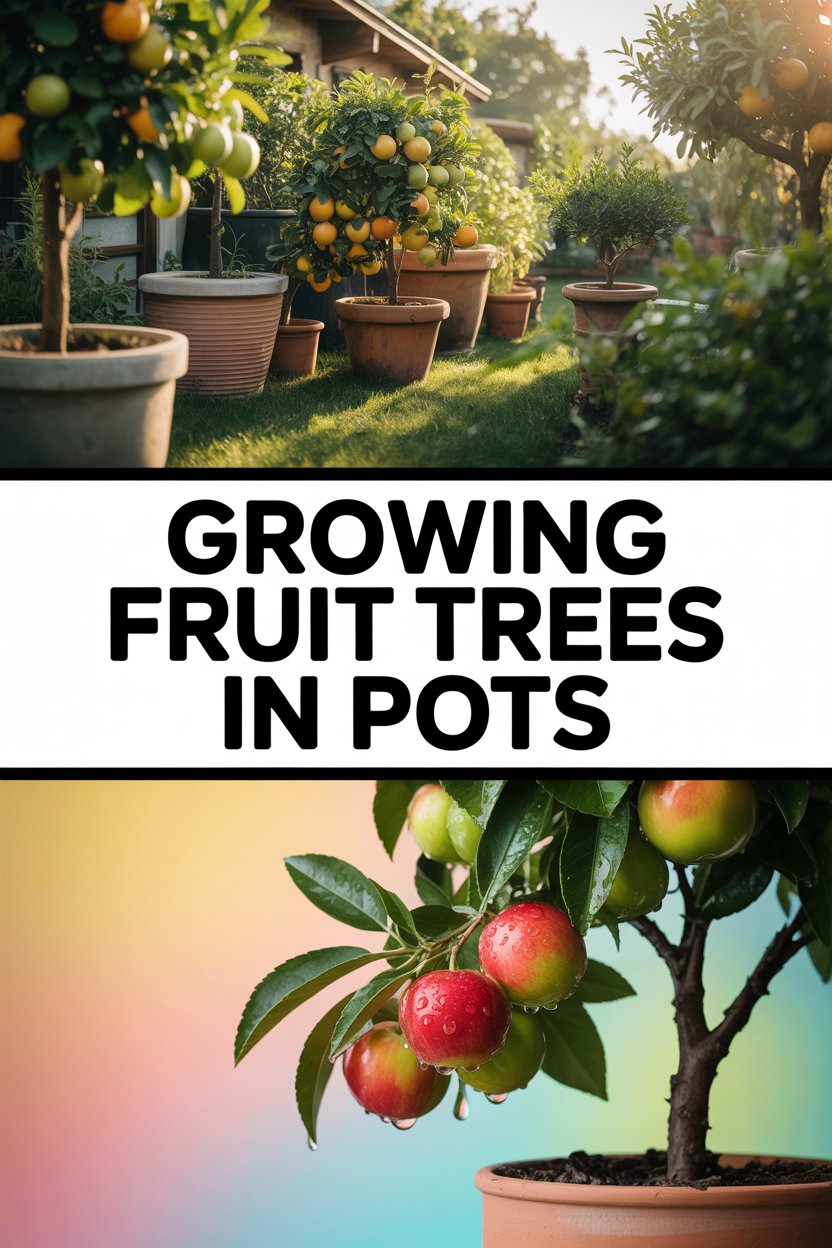

Imagine stepping onto your balcony or patio and plucking a perfectly ripe lemon, a sweet cherry, or a juicy fig right from your own tree — all without needing a big backyard. Growing fruit trees in pots makes this dream possible, even in tiny urban spaces.
If you’re a beginner who’s stared at empty pots wondering where to start (or worried about killing your first tree), you’re not alone. Many people assume fruit trees need acres of land and years of patience. The good news? With the right dwarf varieties, containers, and simple care, you can enjoy homegrown fruit in as little as 1–3 years.
In this guide, I’ll walk you through everything step by step, like a friend who’s learned from both successes and a few wilted attempts along the way.
Quick Answer: Can You Really Grow Fruit Trees in Pots?
Yes! Dwarf, columnar, or patio varieties of apples, lemons, figs, cherries, peaches, and more thrive in large containers (15–25+ gallons). They need full sun (6–8+ hours), well-draining soil, consistent watering, and occasional feeding. Many produce full-sized fruit while staying compact (4–8 feet tall). Success depends on choosing the right tree for your climate and giving it proper ongoing care.
Why Growing Fruit Trees in Pots Is Perfect for Modern Gardeners
Space is tight these days. Apartments, small patios, and balconies dominate many homes, but that doesn’t mean you have to give up on fresh fruit. Container growing lets you create a portable mini orchard you can move for better sun, protection from wind, or even indoors during harsh winters.
One of my favorite parts? Control. In pots, you manage soil quality, pH, and watering precisely. This is especially helpful for finicky plants like blueberries that need acidic soil.
Plus, potted trees often fruit faster because their energy goes into production rather than massive root systems underground.
Choosing the Best Fruit Trees for Pots
Not every fruit tree works well in containers. Focus on dwarf, semi-dwarf, columnar, or patio varieties grafted onto restricting rootstocks. These stay manageable while producing normal-sized fruit.
Top Recommendations for Beginners
- Meyer Lemon (or Improved Meyer): Self-fertile, fragrant flowers, nearly year-round fruit in warm climates or indoors. Great for zones 9–11 outdoors; move indoors elsewhere. Needs 15+ gallon pot.
- Fig (Brown Turkey or Petite Negra): Forgiving, self-fertile, tolerates root restriction well. Produces sweet figs in 15–20 gallon pots. Cold-hardy options available.
- Dwarf Apple (Columnar like Northpole or semi-dwarf): Choose self-fertile if possible. Needs a partner for some varieties. 15–25 gallon pots.
- Dwarf Peach (e.g., Bonanza): Genetic dwarf, self-fertile, fruits early. 20+ gallon pot.
- Dwarf Cherry (Stella): Self-fertile sweet cherry. Reliable in containers.
- Citrus like Clementine Mandarin or Kumquat: Compact and often self-pollinating.
- Others: Dwarf plum, apricot, blueberry (acid-loving), or gooseberry.
Pro Tip: Buy from reputable nurseries. Look for healthy trees with strong roots, not leggy or stressed ones. Bare-root in dormant season or potted anytime.
Selecting the Right Pot for Your Fruit Tree
This is where many beginners slip up. Too small a pot = stressed tree.
Aim for:
- Minimum 15–20 gallons (about 18–24 inches wide and deep) for most dwarf trees.
- Larger (25+ gallons) for bigger producers like figs or mature citrus.
- Material: Terracotta or ceramic for breathability and stability (but heavier); lightweight plastic or fabric for easy moving; wood for insulation.
- Essential: Multiple drainage holes. Elevate pots slightly on feet or bricks.
Start smaller for young trees and step up gradually every 1–2 years to avoid shocking roots. A 20-inch pot is a sweet spot for many patio setups.
Soil Mix: The Foundation of Success
Never use straight garden soil — it compacts badly in pots and causes drainage issues.
Good basic mix:
- 40–50% high-quality potting soil
- 30% perlite or pumice for drainage/aeration
- 20% compost or coco coir for nutrients and moisture retention
For blueberries, use ericaceous (acidic) mix. Refresh the top few inches annually and repot every few years with fresh mix.
Step-by-Step: How to Plant a Fruit Tree in a Pot
- Choose timing: Early spring is ideal when trees are dormant or just waking up.
- Prep the pot: Add a layer of crocks, gravel, or broken pottery at the bottom for drainage. Fill partially with soil mix.
- Position the tree: Place so the root ball sits at the same level as in the nursery (don’t bury the graft union). Center it and fill around with mix, firming gently.
- Water thoroughly: Soak until water runs out the bottom. This settles the soil.
- Mulch: Add a layer of organic mulch on top to retain moisture and suppress weeds.
- Stake if needed: Young trees benefit from support against wind.
Sunlight, Watering, and Location Tips
Most fruit trees crave 6–8+ hours of direct sun daily. South-facing spots are gold. In hot climates, provide afternoon shade to prevent root overheating in dark pots.
Watering is the biggest daily task:
- Check daily in summer; water when the top 1–2 inches feel dry.
- Water deeply until it drains out — don’t let it sit in saucers.
- Containers dry out faster than ground soil, especially in wind or heat.
- Reduce in winter when trees are dormant.
Observation hack: Lift the pot occasionally. It feels noticeably lighter when dry.
Feeding Your Potted Fruit Trees
Nutrients leach out quickly in containers, so fertilize regularly during the growing season.
Use a balanced slow-release fertilizer for fruit trees, or alternate with liquid feeds. Look for higher potassium (K) during flowering/fruiting. Organic options like compost tea or fish emulsion work well. Avoid overfeeding with nitrogen, which promotes leaves over fruit.
Pruning and Training for Healthy, Productive Trees
Prune in late winter or after harvest to keep trees compact and encourage fruiting wood. Remove dead, crossing, or inward-growing branches. Thin fruit if the tree sets too many — better quality over quantity.
For columnar trees, minimal pruning is needed. This keeps your mini orchard looking tidy and productive.
Seasonal Care Throughout the Year
- Spring: Repot if needed, start fertilizing, watch for new growth.
- Summer: Consistent water, mulch, pest checks. Harvest time!
- Fall: Reduce water/fertilizer. Protect from early frosts.
- Winter: Move tender trees (citrus) indoors or to a sheltered spot. Provide chilling hours for deciduous trees where possible.
In cold areas, insulate pots or wheel them into a garage.
Common Beginner Mistakes to Avoid
- Starting in a pot that’s too small.
- Using poor drainage or garden soil.
- Inconsistent watering (feast or famine).
- Ignoring pollination needs (plant two compatible varieties if required).
- Forgetting to protect from extreme heat/cold or pests.
- Expecting fruit in year one — patience pays off.
Troubleshooting Common Problems
Yellow leaves: Could be over/underwatering, nutrient deficiency (iron common in citrus), or root issues. Check drainage first.
No fruit: Insufficient sun, wrong fertilizer balance, lack of pollinator, or tree too young/stressed.
Wilting despite watering: Root rot or heat-stressed roots (switch to lighter pots).
Pests: Aphids, scale, spider mites. Use neem oil or insecticidal soap early. Good airflow helps prevent disease.
Slow growth: Pot too small, poor soil, or inadequate light/fertilizer. Repot and refresh.
Watch your trees closely — they’ll “tell” you what they need.
Real-World Insights from the Pot
I’ve watched a Meyer lemon go from a spindly nursery plant to a bountiful producer on a windy balcony. The secret was moving it to catch more sun and being religious about summer watering. Figs forgive neglect better but reward consistency with multiple crops. Every tree teaches something different.
Frequently Asked Questions About Growing Fruit Trees in Pots
How big should pots be for fruit trees? Start with 15–20 gallons minimum for dwarfs; go larger for best results. Step up gradually.
Can any fruit tree grow in a pot? No — stick to dwarf/patio varieties. Standard trees will outgrow containers quickly.
How often do you water fruit trees in pots? It depends on weather, but often daily or every other day in peak summer. Always check soil moisture.
Do potted fruit trees need fertilizer? Yes, regularly during the growing season because nutrients wash away.
How do you overwinter potted fruit trees? Move tender ones indoors or to a protected area. Insulate pots for hardy varieties and reduce watering.
Will my tree produce full-sized fruit? Yes, with proper dwarf rootstock and care, fruit size is usually normal.
Final Thoughts: Your Mini Orchard Awaits
Growing fruit trees in pots transforms small spaces into abundant, joyful gardens. There’s nothing quite like biting into fruit you nurtured yourself — the satisfaction is real.
Start small with one forgiving tree like a fig or Meyer lemon. Give it sun, water, and a bit of love, and watch it thrive. You’ve got this.
Ready to plant? Grab a quality dwarf tree, a big pot, and some good soil mix. Your first harvest is closer than you think. Happy growing!