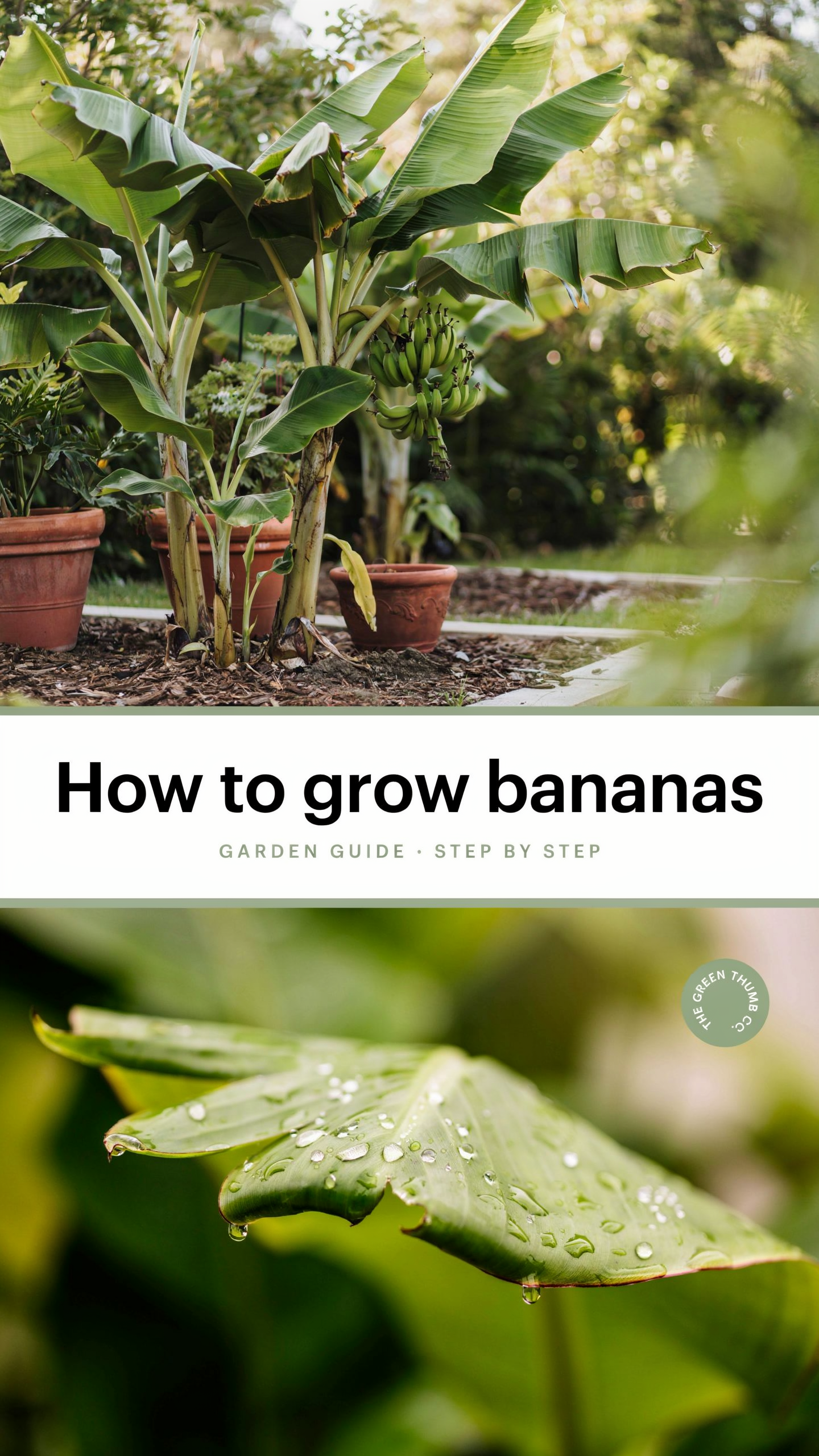
Imagine plucking sweet, vibrant red bananas right from your own garden or backyard. Their striking reddish-purple skin and creamy, berry-like flesh make them a standout compared to ordinary yellow bananas. But many beginners get frustrated watching their plants struggle with yellow leaves, no fruit, or sudden wilts.
If you’re dreaming of growing these exotic treats but feel overwhelmed, you’re in the right place. This guide walks you through everything step by step, from choosing the right spot to harvesting your first bunch. With a bit of patience and the right care, you’ll soon enjoy homegrown red bananas that taste sweeter and pack more antioxidants.
Quick Answer: How to Grow Red Bananas
Red bananas thrive in warm, humid tropical or subtropical climates (ideally 68–86°F or 20–30°C) with full sun and rich, well-draining soil. Start with healthy sword suckers or tissue culture plants, space them 8–12 feet apart, keep soil consistently moist (but not soggy), and feed regularly with potassium-rich fertilizer. Expect fruit in 9–18 months. Protect from wind, cold, and overwatering for best results.
Why Grow Red Bananas? The Unique Appeal
Red bananas (often varieties like Red Dacca or Red Cuban) aren’t just pretty—they’re rewarding. The plants produce dramatic foliage with reddish stems and leaves that add tropical flair to any garden. The fruit is smaller, sweeter, with hints of raspberry or mango, and often richer in beta-carotene and vitamin C than yellow bananas.
Whether you’re a home gardener wanting something special or aiming for a small harvest, red bananas deliver. They grow fast once established and can produce multiple bunches over time from the same plant family.
Understanding Red Banana Plants
Red banana plants are herbaceous perennials, not true trees. They grow from a central rhizome (corm) and form a pseudostem of overlapping leaf bases. In ideal conditions, they reach 10–20 feet tall, though dwarf varieties suit smaller spaces.
They love heat and humidity but hate cold and strong winds, which shred their large leaves. One mature plant can yield a heavy bunch, often with dozens of fruits.
Ideal Climate and Growing Conditions
Red bananas need consistent warmth and moisture. Aim for temperatures between 68–95°F (20–35°C). Growth slows below 60°F and stops around 50°F. Frost will damage or kill them, so in cooler zones, grow in large containers and move indoors for winter.
They prefer 1000–2500 mm annual rainfall or equivalent irrigation. High humidity (60%+) keeps leaves lush. In dry areas, mulch heavily and mist if growing indoors or in greenhouses.
Choose a spot sheltered from strong winds—near a wall, fence, or other plants works well.
Choosing the Best Soil for Red Bananas
Red bananas are heavy feeders that crave rich, loamy soil high in organic matter. The soil must drain well to prevent root rot but hold enough moisture.
Key soil requirements:
- pH: Slightly acidic to neutral (5.5–7.0)
- Texture: Loamy with plenty of compost or aged manure
- Amendments: Mix in coconut coir, perlite, or sand for drainage if your soil is heavy clay
Test your soil before planting. If it’s poor, build raised beds or mounds for better results.
Best Time and Methods to Plant Red Bananas
Plant in spring after the last frost, when soil warms up and nights stay above 50°F. In tropical areas, you can plant year-round during the rainy season.
Propagation options:
- Sword suckers: Preferred for home growers. Choose 1–2 foot tall ones with thick bases and narrow leaves from healthy plants. Avoid weak “water suckers.”
- Tissue culture plants: Disease-free and uniform—great for beginners.
- Seeds: Rare and not true-to-type for most edible varieties.
Planting steps:
- Dig pits 45–60 cm deep and wide.
- Mix topsoil with 10–15 kg compost or manure per pit.
- Place the sucker so the corm sits slightly above soil level.
- Space plants 8–12 feet apart for airflow and room to grow.
- Water deeply and mulch with straw or leaves.
Watering Red Banana Plants the Right Way
Consistent moisture is key—red bananas are thirsty but hate wet feet. Keep soil evenly moist, like a wrung-out sponge. Water deeply 2–3 times a week in hot weather, more for young plants.
Use drip irrigation or soaker hoses for efficiency. Mulch helps retain moisture and suppress weeds. In containers, check daily during heat waves. Reduce watering in cooler months.
Pro tip: Water at the base to keep leaves dry and reduce disease risk.
Sunlight, Spacing, and Wind Protection
Give them full sun—6–8+ hours daily—for best growth and fruit color. In very hot climates, afternoon shade prevents leaf scorch.
Proper spacing prevents competition and improves air circulation. Strong winds tear leaves, so provide windbreaks. Young plants may need staking.
Fertilizing for Healthy Growth and Sweet Fruit
Red bananas gobble nutrients. Feed them regularly for lush leaves and plump fruit.
Fertilizer schedule:
- At planting: Rich compost or manure.
- Every 4–6 weeks during growth: Balanced fertilizer (higher in potassium for fruiting).
- Organic options: Compost tea, banana peel fertilizer, or well-rotted manure.
Avoid over-fertilizing with nitrogen, which promotes leaves over fruit. Potassium helps develop sweeter bananas.
Pruning, Mulching, and General Care Tips
Remove dead or damaged leaves regularly to keep the plant tidy and direct energy to fruit. Desucker—remove excess pups except for 2–3 strong ones per mat to maintain productivity.
Mulch generously (keep it away from the stem) to retain moisture and add nutrients over time. Support heavy bunches with props as they develop.
Beginner mistake to avoid: Letting too many suckers grow, which weakens the main plant and delays fruiting.
Common Pests and Diseases (and How to Fix Them)
Watch for:
- Pests: Aphids, spider mites, nematodes, weevils. Use neem oil, insecticidal soap, or introduce beneficial insects.
- Diseases: Panama disease (Fusarium wilt), Sigatoka leaf spot, bunchy top virus. Prevent with good drainage, sanitation, and disease-free starters. Remove infected parts promptly.
Yellowing leaves often signal overwatering, nutrient issues, or disease. Wilting may mean underwatering or root problems. Improve air flow and avoid overhead watering.
Troubleshooting quick fixes:
- Brown leaf edges: Low humidity or underwatering—mist and water more consistently.
- No fruit: Not enough sun, potassium, or time (be patient!).
- Stunted growth: Poor soil or cold stress.
When and How to Harvest Red Bananas
Red bananas take 9–18 months from planting to first harvest. The bunch emerges from the top; flowers give way to fruit that starts green and turns reddish-purple as it matures.
Harvest when fruits are plump and the bunch angle changes. Cut the entire bunch with a sharp tool when 3/4 mature—it will ripen off the plant. Leave the pseudostem to support new growth.
Post-Harvest Care and Enjoying Your Harvest
After harvest, the mother plant declines, but new pups take over. Red bananas ripen faster than yellow ones and have a shorter shelf life—enjoy them fresh, in smoothies, or baked goods.
Store at room temperature away from other ethylene-producing fruits if you want slower ripening.
Growing Red Bananas in Containers or Cooler Climates
Limited space? Use large pots (15+ gallons) with excellent drainage. Move indoors or to a greenhouse when temperatures drop. Provide grow lights if natural sun is limited. Container plants need more frequent watering and feeding.
Real-World Insights from Growers
In my experience (and from many tropical gardeners), the biggest game-changer is consistent moisture without sogginess. One grower I know lost their first plants to root rot but thrived after switching to raised mounds and better drainage. Another swears by monthly potassium boosts for extra-sweet fruit. Start small, observe your plants, and adjust—nature teaches best.
Frequently Asked Questions About Growing Red Bananas
How long does it take to grow red bananas? Typically 9–18 months from planting to harvest, depending on climate, variety, and care. Warmer, consistent conditions speed things up.
Can I grow red bananas from seeds? It’s possible for some wild types, but most edible red banana varieties are grown from suckers or tissue culture for reliable fruit and true characteristics.
Why are my red banana leaves turning yellow? Common causes include overwatering, nutrient deficiency (especially nitrogen or magnesium), cold stress, or disease. Check soil moisture and drainage first.
Do red bananas need more care than regular bananas? They have similar needs but are often more sensitive to cold and wind. Their striking color makes issues more noticeable, but they’re rewarding with proper basics.
Are red bananas healthier than yellow ones? They offer similar nutrition but often higher levels of beta-carotene, vitamin C, and antioxidants due to their pigmentation. Both are excellent choices.
Can red bananas grow in pots indoors? Yes, especially dwarf varieties. Provide bright light, high humidity, and space. Fruiting indoors is trickier but possible with optimal conditions.
Final Thoughts: Your Red Banana Journey Awaits
Growing red bananas transforms your space into a mini tropical paradise and rewards you with delicious, homegrown fruit. It might take a season to get the hang of it, but the satisfaction of harvesting your first bunch makes every effort worthwhile.
Start with one or two healthy plants in the right spot, give them love and consistency, and watch them thrive. Your future self (and taste buds) will thank you. Got questions or success stories? Drop a comment below—I’d love to hear how your red bananas are doing!
Happy gardening!