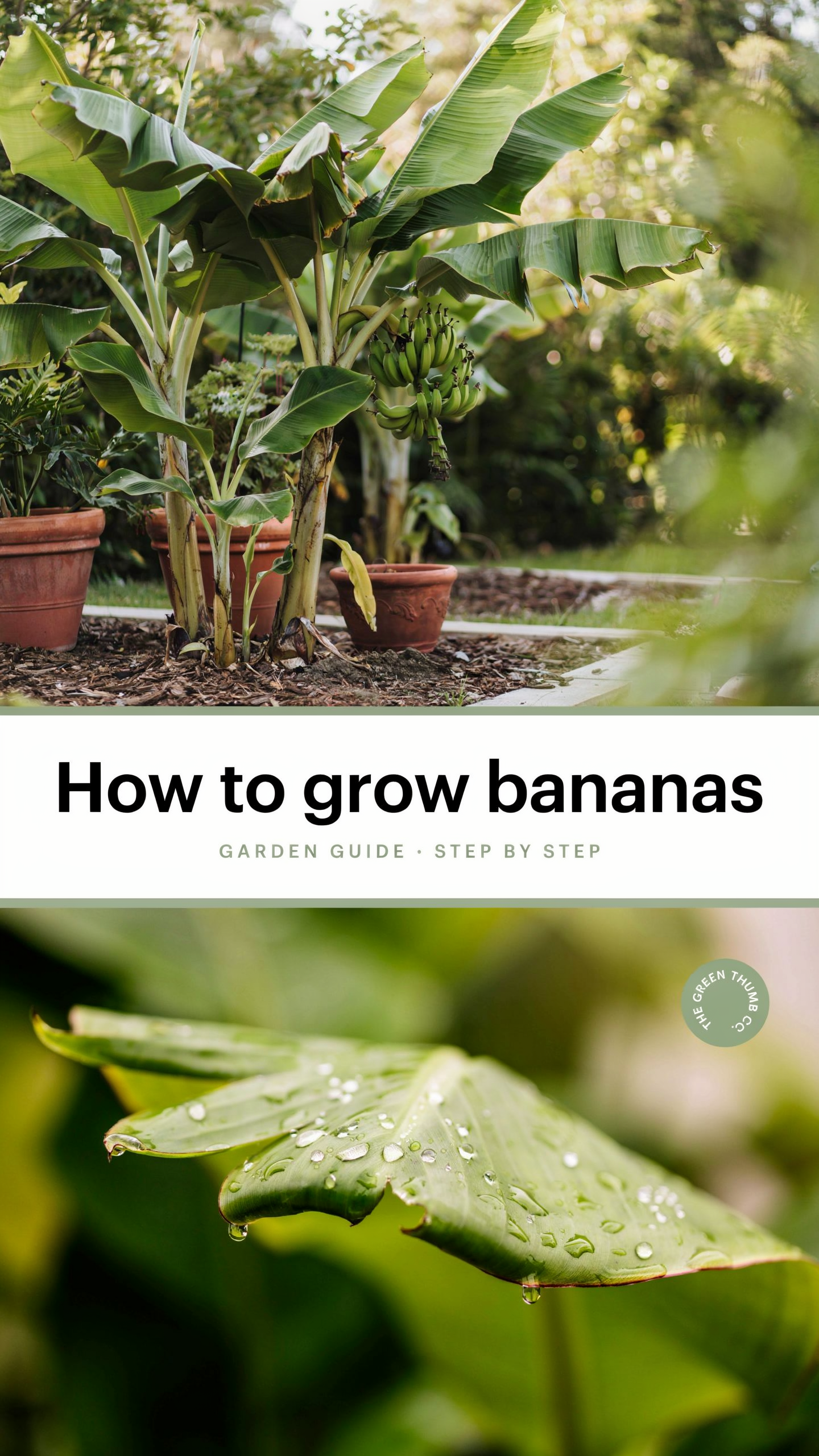

Imagine stepping into your backyard and picking a perfectly ripe banana straight from your own plant. No more wondering about store-bought bananas and their journey. Growing bananas at home is easier than most people think, and it can turn even a small space into a mini tropical oasis.
If you’re a beginner staring at a bare patch of yard or a sunny windowsill, you might worry about cold snaps, pests, or waiting forever for fruit. The good news? With the right variety and consistent care, you can enjoy homegrown bananas in as little as 9–18 months. This guide walks you through everything step by step.
Quick Answer: How to Grow Bananas Successfully
- Best for beginners: Dwarf Cavendish or similar compact varieties.
- Climate: Warm, humid, frost-free (USDA zones 9–11 ideally; containers for cooler areas).
- Key needs: Full sun (6–8+ hours), rich well-draining soil, consistent moisture, and regular feeding.
- Time to fruit: 9–18 months from planting a pup/sucker.
- Harvest tip: Cut the bunch when fruits are plump and starting to change color; ripen indoors.
Bananas are technically giant herbaceous plants, not trees, with a pseudostem made of overlapping leaf bases. They grow fast once established and produce pups (suckers) for easy propagation.
Choosing the Right Banana Variety for Your Space
Not all bananas are the same. Some stay compact for pots, while others tower in the garden.
Popular home-growing options include:
- Dwarf Cavendish: Great for beginners and containers. Reaches 8–10 feet, produces sweet fruit.
- Lady Finger (or similar): Smaller fruit with excellent flavor.
- Blue Java: Unique ice-cream-like taste; some cold tolerance.
- Red Banana: Attractive reddish leaves and fruit.
- Plantains: For cooking if you prefer savory uses.
Pick dwarf types if space or climate is limited. In cooler areas, look for cold-hardy varieties like Musa basjoo (more ornamental but protects the clump).
Pro tip: Buy from reputable nurseries or tissue-cultured plants for disease-free starts. Avoid random pups from unknown sources.
Ideal Growing Conditions for Banana Plants
Bananas love the tropics, but you can adapt many spots.
Climate and Temperature
They thrive in 78–86°F (26–30°C) daytime temperatures. Growth slows below 60°F and stops around 50°F. Frost kills leaves but the underground corm often survives to regrow.
Protect from strong winds — those big leaves tear easily. In marginal climates, plant near a south-facing wall for extra heat.
Sunlight Requirements
Full sun is best: at least 6–8 hours daily. Too little light means fewer or smaller fruits. In very hot areas, afternoon shade can prevent leaf scorch.
Soil Preparation
Bananas are heavy feeders. Use rich, loamy, well-draining soil with plenty of organic matter. Ideal pH: 5.5–7.0.
Amend poor soil generously with compost or aged manure. Good drainage is non-negotiable — waterlogged roots rot quickly.
How to Plant Bananas the Right Way
Planting sets the foundation for success.
Best Time to Plant
Late spring or early summer after the soil warms. In frost-prone areas, wait until all danger has passed.
From Suckers (Pups) — Most Common Method
- Choose a healthy “sword sucker” (12–24 inches tall with narrow leaves) from a vigorous plant.
- Separate it carefully with a sharp shovel, keeping some corm and roots attached.
- Plant at the same depth it was growing, in a hole enriched with compost.
- Water deeply and mulch heavily.
Space plants 6–10 feet apart outdoors. For containers, use a large pot (at least 15–25 gallons) with excellent drainage.
From Corms or Tissue Culture
Corms work too — plant shallowly (1–2 inches) in warm soil. Tissue-cultured plants are clean and vigorous but more expensive.
Water well after planting and keep soil consistently moist for the first few weeks as roots establish.
Caring for Your Banana Plants: Water, Feed, and Maintain
Consistency is your best friend here.
Watering Bananas
These plants are thirsty! They need 1–2 inches of water per week minimum, more in heat. Keep soil moist but not soggy.
Leaves curling? That’s a cry for water. Mulch to retain moisture and suppress weeds. In pots, check daily in summer.
Fertilizing for Big Growth and Fruit
Bananas are hungry. Use a balanced fertilizer (like 8-10-8 or 3-1-6 with magnesium) every 4–8 weeks during growth. High potassium supports fruiting.
Organic options: compost tea, fish emulsion, or well-rotted manure. Foliar sprays with micronutrients (zinc, manganese) help in poor soils.
Mulching and Pruning
Mulch thickly with organic material. Remove dead or damaged leaves regularly for airflow. Keep 2–4 healthy pseudostems per clump for best production — remove excess pups.
Step-by-Step: From Flower to Harvest
After 6–9 months of strong vegetative growth, you’ll see a purple flower bud emerge.
- The flower develops into a bunch (hands of bananas).
- Fruit takes 3–6 months to mature after flowering.
- Harvest when bananas are plump, angles rounding, and starting to turn yellow. Cut the entire bunch and ripen indoors or on the plant for sweeter fruit.
One mature plant can produce 20–60+ pounds of fruit per bunch depending on variety and care.
Growing Bananas in Containers or Cooler Climates
No backyard? No problem.
Choose dwarf varieties. Use large pots with quality potting mix. Place in the sunniest spot or use grow lights indoors. Move pots indoors or protect during cold snaps. Water and feed more frequently in containers.
Common Beginner Mistakes to Avoid
- Planting in heavy clay or poor-draining spots.
- Inconsistent watering (drought stress delays fruiting).
- Overcrowding pups, which competes for nutrients.
- Neglecting wind protection or fertilizer.
- Expecting fruit too soon or from seed (most edible bananas are sterile).
Start small, observe your plants, and adjust. My first attempt failed due to poor drainage — lesson learned!
Troubleshooting Common Banana Problems
Even experienced growers face issues. Here’s help:
- Yellowing leaves: Could be normal (older leaves), nutrient deficiency, or over/underwatering. Check soil and feed accordingly.
- Wilting despite water: Root rot from poor drainage or Fusarium wilt (Panama disease). Improve drainage; remove infected plants.
- Small or no fruit: Insufficient sun, water, potassium, or cold stress.
- Pests (weevils, nematodes, aphids): Keep plants healthy; use neem or beneficial insects. Clean tools to prevent disease spread.
- Leaf spots (Sigatoka): Remove affected leaves; improve airflow.
For serious diseases like Bunchy Top virus, remove and destroy the plant to protect others.
Observation: Healthy, vigorously growing plants resist most problems best. A stressed plant invites trouble.
Sustainable and Organic Banana Growing Tips
- Use compost and mulch for natural fertility.
- Companion plant with legumes for nitrogen or marigolds for nematodes.
- Collect rainwater for watering.
- Save healthy pups for free new plants.
- Rotate or refresh soil in containers periodically.
These practices build soil health over time and reduce chemical needs.
FAQs About How to Grow Bananas
How long does it take to grow bananas from planting to harvest? Typically 9–18 months for the first bunch, depending on variety, climate, and care. Subsequent ratoon crops (from pups) come faster.
Can you grow bananas indoors or in pots? Yes! Dwarf varieties in large containers work well with bright light and consistent care. Fruiting indoors is trickier but possible with enough warmth and light.
Do banana plants need a lot of water? Absolutely. They are heavy drinkers and hate drought, but good drainage prevents rot. Mulch helps a lot.
Why aren’t my bananas producing fruit? Common reasons: young plant, insufficient sun/heat/nutrients, too many pups competing, or cold stress. Ramp up care and be patient.
Are banana plants invasive or hard to control? They spread via pups, so regular removal keeps them in check. They’re generally manageable in home gardens.
What’s the best fertilizer for banana plants? High-potassium formulas with magnesium. Feed frequently during active growth.
Can bananas survive winter? In zones 9+, often yes with protection. In colder areas, grow in pots and move indoors, or treat as annuals for foliage.
Final Thoughts: Start Your Banana Journey Today
Growing your own bananas is incredibly rewarding. There’s something magical about watching that first bunch develop and tasting fruit you nurtured from a small pup. It might take a season to get the hang of it, but once your plants are established, you’ll have a productive, beautiful addition to your garden for years.
Don’t wait for the “perfect” conditions. Grab a healthy dwarf variety, prepare a sunny spot with rich soil, and dive in. Your future self (and taste buds) will thank you.
Have you tried growing bananas yet? Share your experiences or questions in the comments — I’d love to hear how your tropical adventure goes. Happy planting!