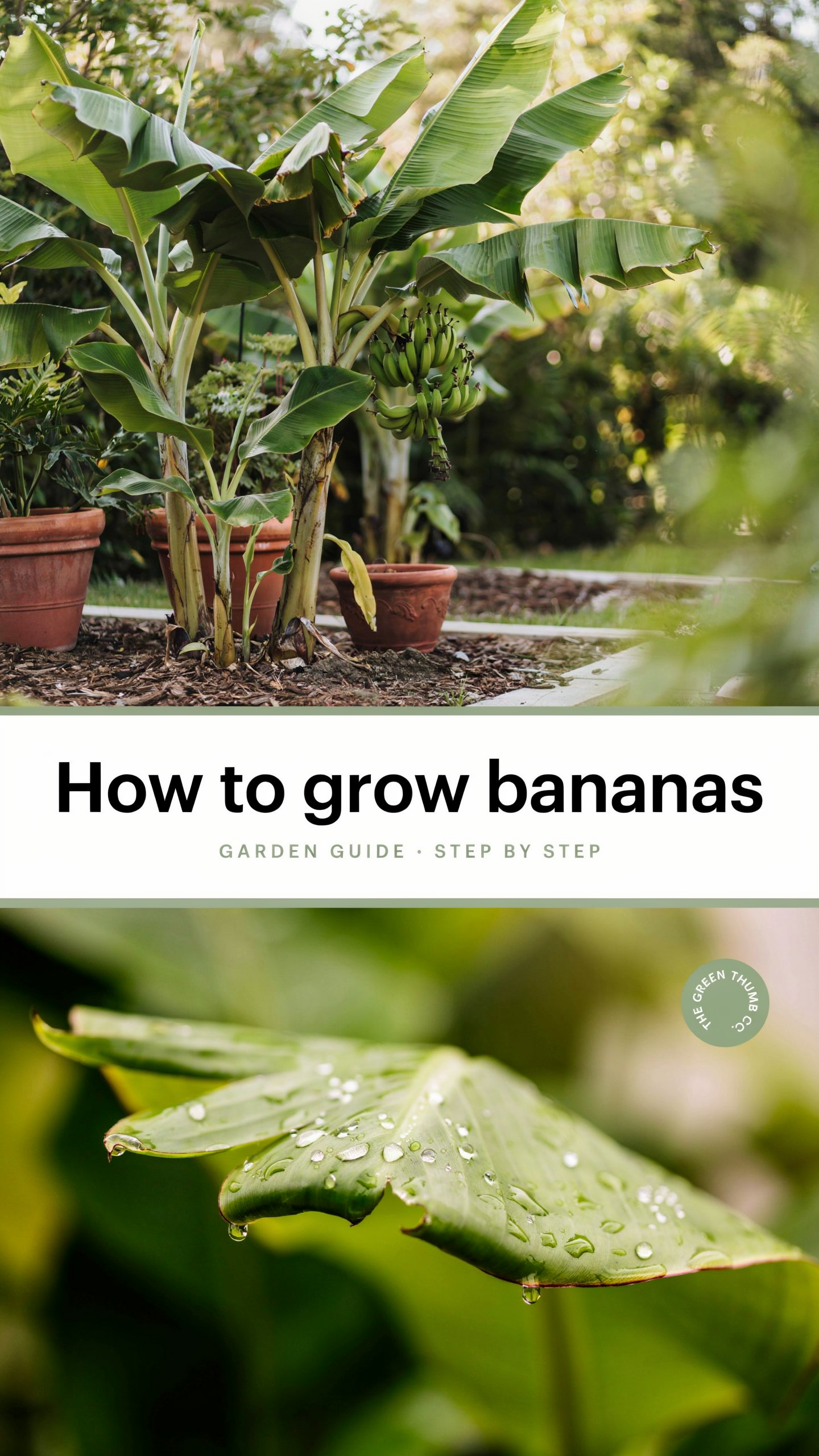
Imagine stepping into your backyard and plucking a sweet, sun-ripened banana straight from your own plant. It sounds like a dream, right? For many beginners, the idea of growing a banana tree feels intimidating—like something only for warm climates or expert gardeners. But here’s the truth: with the right approach, almost anyone can succeed, even if you’re starting from scratch or dealing with less-than-perfect conditions.
In this guide, I’ll walk you through everything step by step. Whether you’re dreaming of fresh fruit or just want that lush tropical vibe in your garden, you’ll learn how to grow a banana tree successfully.
Quick Answer: How to Grow a Banana Tree
Banana plants (they’re actually giant herbs, not true trees) thrive in warm, humid conditions with full sun, rich well-draining soil, and consistent moisture. Plant pups or rhizomes in spring, water deeply, fertilize regularly with potassium-rich feed, and expect fruit in 9–18 months under ideal conditions. They love temperatures above 60–70°F (15–21°C) and need protection from wind and frost.
Why Growing Banana Plants Is Worth It
Banana plants grow incredibly fast—sometimes shooting up several feet in a single season. They add dramatic foliage to any landscape and can produce bunches of fruit that taste far better than store-bought ones. Plus, once established, they send up pups (baby plants) that keep the harvest going year after year.
I’ve seen beginners turn a single starter plant into a productive little grove. It’s rewarding, and the plants are forgiving if you pay attention to their basic needs.
Choosing the Right Banana Variety for Your Space
Not all banana plants are the same. Picking the right one makes a huge difference, especially for home gardeners.
Popular choices for fruit:
- Dwarf Cavendish: Compact (6–10 feet), sweet fruit, great for pots or small yards. A reliable beginner favorite.
- Blue Java (Ice Cream): Creamy, vanilla-like flavor. Slightly more cold-tolerant.
- Lady Finger: Smaller, super-sweet bananas with excellent taste.
- Grand Nain: Similar to commercial bananas, productive bunches.
For cooler climates or ornamentals:
- Musa basjoo (Japanese Banana): Cold-hardy down to zone 5 with protection. Dramatic leaves but usually no edible fruit.
Consider your space, climate zone, and goals. Dwarf varieties are ideal if you’re short on room or growing in containers.
Understanding Banana Plant Basics
Before planting, it helps to know that bananas are herbaceous perennials. They grow from underground rhizomes and form a “pseudostem” made of overlapping leaf bases. They love tropical conditions but can adapt with care.
They grow best in USDA zones 9–11 outdoors year-round. In cooler areas, use pots and move them indoors for winter.
How to Plant a Banana Tree the Right Way
Timing matters. Plant in late spring or early summer when soil warms up and frost risk is gone.
Steps for success:
- Choose a spot with full sun (6–8+ hours daily) and shelter from strong winds. Leaves tear easily.
- Prepare rich, well-draining soil. Aim for slightly acidic pH (5.5–7.0). Mix in plenty of compost or aged manure.
- Dig a wide hole (about twice the width of the root ball) but not too deep. Plant so the top of the rhizome or pup’s soil line matches the ground level. Mound slightly for better drainage.
- Space plants 6–8 feet apart (or more for larger varieties) to give them room to spread.
- Water thoroughly after planting and add a thick layer of mulch to retain moisture and suppress weeds.
From pups (easiest method): Select sword suckers (narrow leaves) about 2–3 feet tall with some roots attached. Separate carefully from the mother plant.
In containers: Use large pots (at least 15–20 gallons) with good drainage. Dwarf varieties work best.
Soil, Sunlight, and Location Essentials
Banana plants are heavy feeders and drinkers. They need nutrient-rich, loamy soil that drains well but holds moisture. Poor drainage leads to root rot fast.
Full sun fuels fast growth and better fruiting. In very hot areas, some afternoon shade can prevent leaf scorch. Protect from wind—consider planting near a wall or fence.
Watering Your Banana Plant Like a Pro
This is where many beginners slip up. Bananas are thirsty! A large plant can drink 20+ gallons a day in peak heat.
- Keep soil consistently moist but not soggy.
- Water deeply 2–3 times a week (more in hot, dry weather).
- Yellow curling leaves often mean underwatering; mushy roots signal overwatering.
- Mulch heavily to conserve water.
In containers, check soil daily during summer.
Fertilizing for Explosive Growth and Sweet Fruit
Bananas demand nutrients. Feed them regularly for those big bunches.
Use a balanced fertilizer (like 8-10-8 or 10-10-10) every 2–4 weeks during growing season. Shift to higher potassium as flowering approaches for better fruit.
Organic options like compost, manure, compost tea, or kelp work great too. Apply around the base, avoiding direct contact with the stem.
Caring for Your Growing Banana Plant
- Pruning and pups: Keep 2–3 healthy pups per mat (clump) for continuous production. Remove extras to focus energy on fruiting.
- Support: Stake tall plants in windy spots.
- Dead leaves: Remove yellow or damaged ones to keep the plant tidy and reduce disease risk.
- Temperature: Ideal range is 75–95°F (24–35°C). Growth slows below 60°F.
From Flower to Harvest: What to Expect
Banana plants typically flower 6–12 months after planting. A purple bud emerges, followed by hands of bananas. Fruit takes another 3–4 months to mature.
Harvest when bananas are plump and green but starting to yellow at the top. Cut the entire bunch and let them ripen indoors. The mother plant will die back after fruiting, but pups take over.
Growing Banana Trees in Containers or Cooler Climates
No backyard paradise? No problem. Pots let you grow almost anywhere.
- Choose dwarf varieties.
- Use large containers with excellent drainage.
- Move indoors or to a greenhouse when nights drop below 50–55°F.
- Provide bright light (grow lights help in winter).
Common Beginner Mistakes to Avoid
- Planting too deep or in heavy clay soil.
- Inconsistent watering.
- Not feeding enough—bananas are hungry!
- Letting too many pups grow, which weakens the main plant.
- Ignoring wind protection.
Start small, observe your plant, and adjust. Experience is the best teacher.
Troubleshooting Common Banana Plant Problems
Even healthy plants hit snags. Here’s how to fix the most frequent issues:
Yellow leaves: Could be nutrient deficiency (especially potassium or magnesium), underwatering, or cold stress. Test soil and adjust feeding/watering.
Wilting or slow growth: Usually water-related. Check drainage and consistency.
Pests (aphids, spider mites, weevils): Hose them off or use insecticidal soap. Healthy plants resist better.
Diseases (Sigatoka, Fusarium wilt, Bunchy Top): Prevent with clean tools, disease-free starts, and good airflow. Remove infected parts promptly. Some varieties are more resistant.
No fruit: Could be young plant, insufficient sun/heat, or wrong variety. Patience and care usually pay off.
Cold damage: Mulch heavily or bring indoors. Rhizomes often survive and regrow.
Monitor regularly—early action saves plants.
Real-World Tips from a Fellow Grower
In my experience, the biggest game-changer is consistent moisture and feeding in the first few months. One season I skimped on water during a dry spell and regretted it—the plant recovered but fruiting was delayed. Now I mulch thickly and check soil like clockwork.
Also, banana peels make fantastic fertilizer—bury them around the base for potassium boost!
FAQ: How to Grow a Banana Tree
Can I grow a banana tree from a store-bought banana? Usually no. Most commercial bananas are sterile and seedless. Start with pups, rhizomes, or nursery plants instead.
How long does it take for a banana tree to produce fruit? Typically 9–18 months from planting, depending on variety, climate, and care. Warmer conditions speed things up.
Do banana trees need full sun? Yes—6–8+ hours daily for best growth and fruit. They tolerate partial shade but produce less.
Can banana plants survive winter? In zones 9+, yes. In cooler zones, protect with heavy mulch or grow in movable containers. Hardy types like Musa basjoo handle more cold.
How much water does a banana tree need? A lot! Keep soil moist. Large plants may need deep watering several times a week, especially in heat.
Are banana trees invasive? They spread via pups but are easy to manage by removing extras. Not typically invasive in home settings.
What’s the best fertilizer for banana trees? High-potassium formulas or balanced ones with magnesium. Apply frequently during growth.
Final Thoughts: Your Banana Growing Journey Awaits
There’s something magical about watching your first banana bunch develop. It’s more than just fruit—it’s proof that with some care and patience, you can create a little slice of the tropics at home.
Start small, stay consistent with water and nutrients, and don’t stress the small stuff. Your plants will reward you with beauty, shade, and hopefully plenty of sweet bananas. Grab a pup or two, get planting, and enjoy the process. I’d love to hear how your banana adventure goes—drop a comment below!
Happy growing!