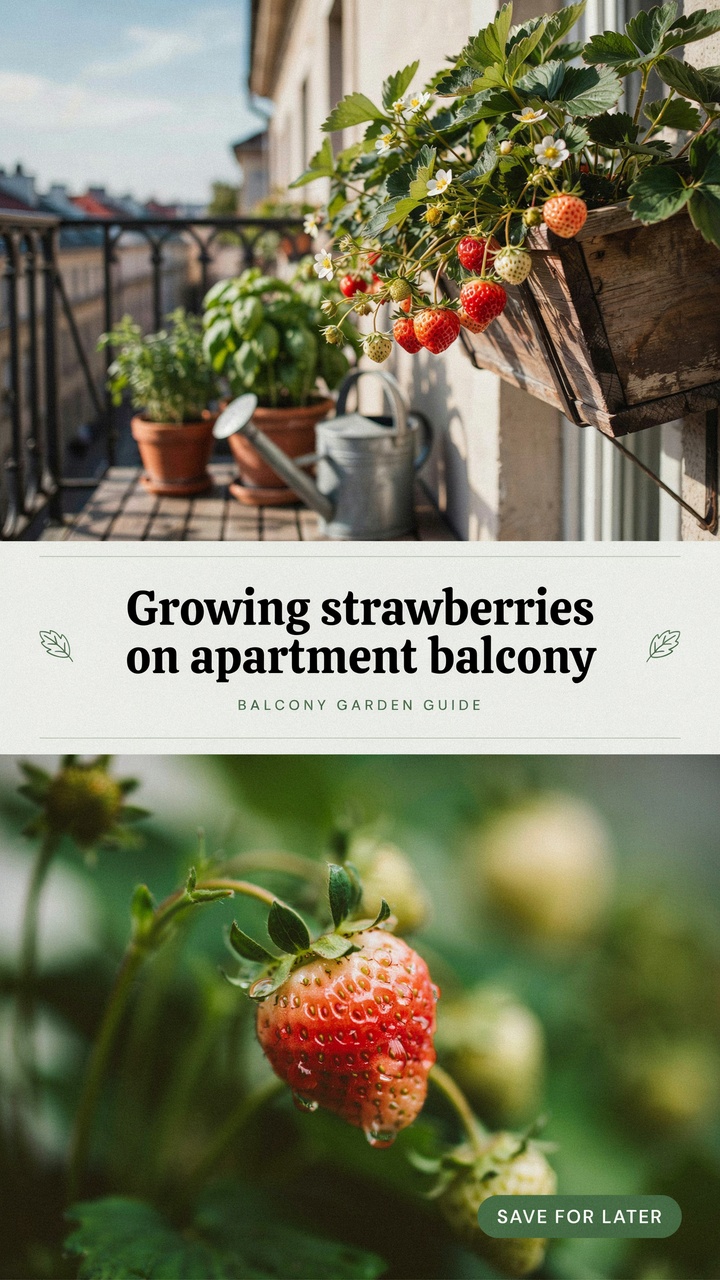

Imagine stepping onto your balcony, reaching out, and popping a sun-warmed, perfectly ripe strawberry straight into your mouth. No grocery store plastic clamshell can match that flavor. The good news? You don’t need a backyard or even much space to make it happen. Growing strawberries on an apartment balcony is one of the most rewarding small-space gardening projects around.
If you’ve ever killed a houseplant or worried your balcony gets too much wind or not enough sun, you’re not alone. Many beginners start with big dreams and end up with sad, leggy plants or no berries at all. But with the right approach, even a tiny balcony can produce sweet harvests all season long.
In this guide, I’ll walk you through everything step by step, from picking the right plants and pots to troubleshooting common issues. Whether you’re a total newbie or have tried (and maybe struggled) before, you’ll feel confident by the end.
Quick Answer: Can You Really Grow Strawberries on a Balcony?
Yes! Strawberries are perfect for containers. Choose day-neutral or everbearing varieties, use pots at least 8–12 inches wide and deep with good drainage, provide 6–8 hours of sun, keep soil consistently moist, and plant with the crown at soil level. You can harvest berries from spring through fall in many climates.
Why Growing Strawberries on Your Apartment Balcony Is Worth It
Strawberries thrive in containers because of their shallow roots. They don’t need deep soil, and pots let you control drainage, sunlight, and pests better than in-ground planting.
On a balcony, you get fresh air, easy access for daily checks, and the joy of vertical or railing setups that maximize tiny spaces. Plus, the plants look beautiful with their white flowers and trailing habit—great for adding life to an urban oasis.
I’ve grown them on balconies in different cities, and nothing beats harvesting a handful while sipping morning coffee. The plants are forgiving once you nail the basics, and they’re beginner-friendly.
Choosing the Best Strawberry Varieties for Balcony Containers
Not all strawberries are created equal for small spaces. Focus on day-neutral or everbearing types. They produce fruit throughout the season instead of one big flush like June-bearers.
Top recommendations:
- Albion: Large, firm, sweet berries. Heat-tolerant and excellent for containers.
- Seascape: Reliable, flavorful, good disease resistance.
- Tristar: Compact, very sweet, great in smaller pots.
- Alpine strawberries (like Alexandria): Tiny, intensely flavored berries. Runnerless and perfect for tight spots or hanging baskets.
Avoid aggressive runner-producing June-bearers if space is limited—they’ll quickly outgrow pots unless you manage them carefully.
Buy healthy plugs or bare-root plants from reputable nurseries in spring. Starting from seed is possible but slower and trickier for beginners.
Best Containers and Setup for Your Balcony
Strawberries love wide, shallow containers because their roots spread out rather than go deep. Aim for at least 8–12 inches in diameter and depth per plant, with plenty of drainage holes.
Great options:
- Classic plastic or fabric pots (light colors help keep roots cooler on hot balconies).
- Hanging baskets or railing planters for vertical space.
- Strawberry pots with side pockets.
- Tiered planters or towers for maximizing yield in tiny areas.
Avoid tiny pots—they dry out too fast. A 12–18 inch wide pot can hold 3–5 plants comfortably, depending on variety.
Pro tip: Use a saucer or elevate pots slightly to ensure water drains freely. Balcony floors can get messy otherwise.
The Perfect Soil Mix for Container Strawberries
Never use garden soil in pots—it compacts and causes drainage issues. Opt for a high-quality, well-draining potting mix.
Ideal blend:
- Potting mix or coco coir base.
- Compost for nutrients.
- Perlite or vermiculite for aeration.
- Aim for slightly acidic pH (5.5–6.8).
Mix in some slow-release organic fertilizer at planting. This keeps things light and prevents root rot, a common killer on balconies.
Step-by-Step: How to Plant Strawberries on Your Balcony
- Timing: Plant after the last frost in spring, or in fall in milder climates for earlier harvests next year.
- Prepare pots: Fill most of the way with your mix, leaving space at the top.
- Position plants: Place so the crown (where leaves meet roots) sits exactly at soil level. Too deep = rot. Too high = drying out.
- Spacing: 6–10 inches apart for day-neutrals.
- Firm soil gently and water thoroughly.
- Mulch: Add straw or pine needles around plants (not touching crowns) to keep fruit clean and retain moisture.
- Place in sun: Move to your sunniest balcony spot.
New plants might need a week or two to settle. Pinch off early flowers in the first few weeks to build stronger roots for better future yields.
Sunlight, Watering, and Daily Care on a Balcony
Strawberries need 6–8+ hours of direct sun for sweet fruit. South or west-facing balconies work best. In extreme heat, provide light afternoon shade to prevent scorching.
Watering is the biggest challenge on balconies. Pots dry out fast, especially in wind or heat. Check soil daily—water when the top inch feels dry. Aim for consistent moisture without sogginess. Water at the base to avoid wetting leaves and fruit.
In hot weather, you might water once or twice daily. Self-watering pots or drip systems can make life easier.
Fertilize lightly every 3–4 weeks with a balanced or bloom-boosting organic fertilizer once plants are established. Too much nitrogen = lots of leaves, few berries.
Managing Runners and Pruning for Better Harvests
Day-neutral varieties produce fewer runners, which is ideal for pots. Pinch most runners in the first year to direct energy to fruit production.
In later years, let a few root in spare pots for new plants. This keeps your balcony patch productive without overcrowding.
Remove old or yellowing leaves to improve airflow and reduce disease risk.
Harvesting and Enjoying Your Balcony Strawberries
Pick berries when fully red and fragrant—usually every couple of days during peak season. Twist gently or use scissors to avoid damaging plants.
Eat fresh, make smoothies, or freeze extras. Homegrown ones taste dramatically better because they ripen on the plant.
Expect harvests from late spring through fall with good varieties. One healthy pot can yield dozens of berries over months.
Common Beginner Mistakes to Avoid
- Burying the crown too deep.
- Using garden soil instead of potting mix.
- Inconsistent watering (feast or famine).
- Not enough sunlight.
- Letting plants get overcrowded.
- Over-fertilizing with nitrogen.
I’ve made most of these myself. Learning from them turns “brown thumb” into steady harvests.
Troubleshooting Common Problems on Apartment Balconies
No fruit or few berries: Not enough sun, poor pollination (hand-pollinate with a brush on high balconies), too much nitrogen, or young/old plants.
Yellow leaves or wilting: Over/underwatering, nutrient issues, or poor drainage.
Pests (aphids, slugs, birds): Use neem oil, beer traps for slugs, or netting. Companion herbs like thyme can help.
Gray mold (botrytis): Improve airflow, water at base, remove affected fruit quickly, and mulch well.
Small or sour berries: More sun and consistent care usually fix this.
Balconies can be windy—secure pots and provide some shelter if needed.
Winter Care for Balcony Strawberry Plants
In cold climates, move pots to a sheltered spot like a garage or against a wall. Mulch heavily or cover with frost cloth. Many varieties are hardy but benefit from protection.
In spring, bring them back out, refresh soil if needed, and watch new growth.
Companion Planting Ideas for Your Balcony
Pair strawberries with herbs like thyme, basil, or chives. They repel pests and look great together. Marigolds can deter some insects too. Just ensure companions have similar sun and water needs.
Real-World Insights from Balcony Gardeners
From experience, starting small with 2–3 pots prevents overwhelm. Track what works on your specific balcony—microclimates vary a lot. One year I had wind issues; elevating pots and using windbreaks helped hugely.
The satisfaction of sharing homegrown berries with neighbors or family is priceless.
Frequently Asked Questions About Growing Strawberries on Apartment Balcony
Can I grow strawberries on a shady balcony? Partial shade works for alpine varieties, but most need at least 6 hours of sun for good fruit. Consider reflective surfaces or grow lights as supplements.
How many plants do I need for a decent harvest? 3–6 plants in a few pots can provide regular snacks for one or two people. Scale up as you gain confidence.
Do strawberries come back every year in pots? Yes, they’re perennials. Refresh soil, divide, or replace every 2–3 years for best production.
What if my balcony is very windy? Choose sturdy pots, secure them, and pick sheltered corners. Wind can dry soil faster, so monitor watering closely.
Is it safe to grow edibles on an apartment balcony? Absolutely. Use organic practices and clean pots. Avoid areas with heavy pollution or chemical runoff from above.
How do I start from seeds? It’s possible but slower. Cold stratify seeds, sow on surface, and provide light. Most beginners prefer plugs for faster results.
Final Thoughts: Your Balcony Berry Adventure Awaits
Growing strawberries on your apartment balcony transforms a small outdoor space into a productive, joyful little garden. It’s more than just food—it’s a connection to nature, a source of pride, and endless sweet rewards.
Start simple this season. Grab a couple of plants, a good pot, and give it a go. You might be surprised how quickly those first ripe berries appear. Before long, you’ll be planning expansions and sharing tips with fellow balcony gardeners.
What are you waiting for? Head to your local nursery or order some plants online. Your future self (and taste buds) will thank you. Happy growing—may your balcony overflow with berries!