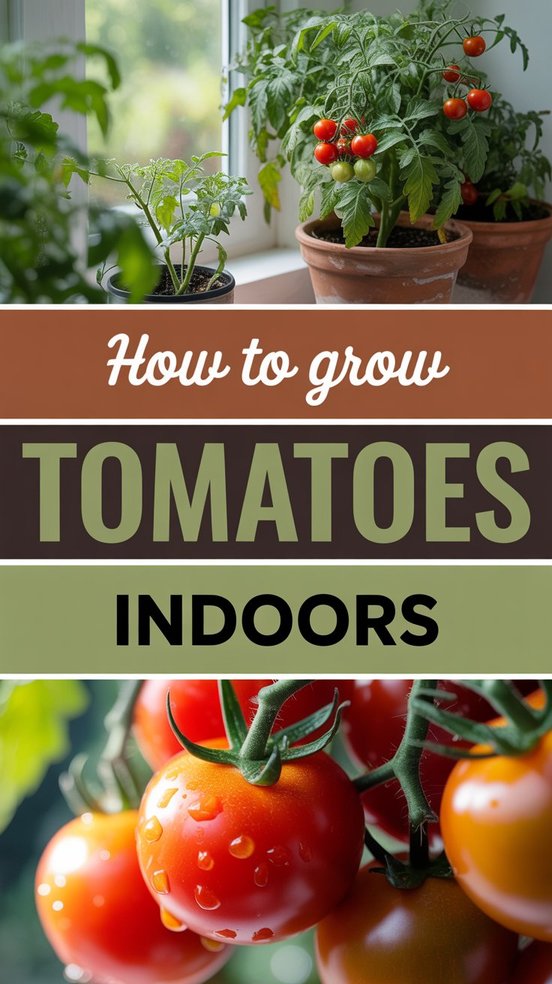

Imagine biting into a perfectly ripe, juicy tomato in the middle of winter—while snow falls outside your window. Sounds like a dream, right? For many beginners, growing tomatoes indoors feels intimidating. You worry about lighting, space, pollination, or ending up with leggy plants and zero fruit.
The good news? You don’t need a fancy greenhouse or years of experience. With the right approach, anyone can grow delicious tomatoes right in their home. In this guide, I’ll walk you through everything step by step so you can enjoy fresh harvests all year long.
Quick Answer: Can You Really Grow Tomatoes Indoors?
Yes! You can successfully grow tomatoes indoors with good light, proper containers, and consistent care. Dwarf or determinate cherry varieties work best for small spaces. Expect your first harvest in 60–80 days from transplant. Many indoor gardeners harvest tomatoes for 6–10 months continuously with the right setup.
Why Growing Tomatoes Indoors Makes Sense
Indoor tomato growing solves so many common problems. No more battling pests like hornworms or worrying about late blight from humid summers. You control the environment completely.
I started growing tomatoes indoors during a particularly cold winter when I missed fresh garden produce. What began as an experiment turned into a year-round hobby that now supplies my kitchen with sweet cherry tomatoes even in January.
The best part? Once you get the hang of it, it becomes almost automatic. Your plants will reward you with better flavor than most store-bought tomatoes.
Best Tomato Varieties for Indoor Growing
Not all tomatoes thrive indoors. Choose compact varieties that don’t need massive space or heavy support.
Top recommendations:
- Tiny Tim or Micro Tom – Perfect for windowsills, grow only 6–12 inches tall
- Sweet 100 or Cherry tomatoes – Prolific producers in containers
- Red Robin or Balcony – Great for small pots and patios
- Patio Princess or Tumbling Tom – Excellent for hanging baskets
Avoid large indeterminate heirlooms like Beefsteak unless you have plenty of vertical space and strong grow lights. They’ll outgrow most indoor setups quickly.
Pro tip: Start with cherry varieties. They’re more forgiving, produce faster, and taste incredible when grown indoors.
Essential Supplies You’ll Need
Before planting, gather these basics:
- Containers with drainage holes (5–10 gallon pots work best for most varieties)
- High-quality potting mix (not garden soil)
- Grow lights (full spectrum LED preferred)
- Tomato fertilizer (balanced then high-potassium during flowering)
- Small fan for air circulation
- Stakes or tomato cages for support
- Spray bottle for pollination help
Don’t worry if you’re on a budget. Many successful indoor growers start with simple shop lights and recycled containers.
Choosing the Perfect Spot in Your Home
Tomatoes need 14–16 hours of bright light daily. South-facing windows work in summer but usually aren’t enough in winter.
I’ve had great success in a spare bedroom corner and even on kitchen counters. The key is consistent light and temperatures between 65–80°F (18–27°C) during the day.
Avoid spots near heating vents or cold drafts. Stable conditions prevent blossom drop and stress.
Step-by-Step: How to Plant Tomatoes Indoors
Starting from Seeds
- Fill seed trays or small pots with moist seed-starting mix
- Plant seeds ¼ inch deep
- Cover lightly and keep soil warm (70–80°F)
- Use a heat mat if your home runs cool
- Seeds usually sprout in 5–10 days
Transplanting Seedlings
Once seedlings have 2–3 sets of true leaves, move them to larger pots. Bury the stem deeper than in the seedling tray—tomatoes grow roots along the buried stem, creating stronger plants.
Gently loosen the root ball and firm the soil around the base. Water thoroughly until it drains out the bottom.
Setting Up Grow Lights Properly
This is where many beginners struggle. Natural sunlight is ideal but rarely sufficient indoors year-round.
Position your grow lights 12–18 inches above the plants. Raise them as plants grow. Use a timer to maintain consistent 14–16 hours of light.
Look for lights with both blue (for leafy growth) and red (for flowering and fruiting) spectrum. Full spectrum LEDs are most energy-efficient.
My observation: Plants under proper lighting develop thick stems and dark green leaves. If stems look spindly and pale, they need more intense or longer light.
Watering and Soil Care
Tomatoes like consistent moisture but hate soggy roots. Water when the top inch of soil feels dry. This usually means every 2–4 days depending on your home’s humidity and pot size.
Always water at the base to keep leaves dry and prevent disease. Early morning watering works best.
Common mistake: Overwatering. Yellow lower leaves often signal too much water rather than too little.
Feeding Your Indoor Tomato Plants
Tomatoes are heavy feeders. Start with a balanced fertilizer (like 10-10-10) for the first few weeks. Switch to a bloom booster (higher phosphorus and potassium) once flowers appear.
Fertilize every 7–14 days. I prefer organic liquid fertilizers like fish emulsion or compost tea because they smell better indoors and feed the soil microbiome too.
Watch for nutrient deficiencies: Yellow leaves with green veins often means iron or magnesium shortage. Purple stems can signal phosphorus deficiency.
The Secret to Indoor Pollination
This is crucial. Outdoors, wind and bees do the work. Indoors, you need to help.
Gently shake plants daily or use a small electric toothbrush against the flower stems to vibrate pollen loose. A soft brush can also transfer pollen between flowers.
I do this every morning while watering. You’ll notice more fruit set once you make pollination a habit.
Pruning and Training Indoors
For compact varieties, minimal pruning is needed. Remove lower leaves that touch the soil to prevent disease.
Use stakes or small cages early. Tie stems loosely as they grow. Good air circulation around plants prevents many common problems.
Common Problems and How to Fix Them
Leggy Seedlings
Too little light. Move closer to lights or add supplemental lighting immediately.
Yellow Leaves
Usually overwatering or nitrogen deficiency. Check soil moisture first, then adjust feeding.
Blossom Drop
Temperature fluctuations, low humidity, or poor pollination. Keep daytime temps steady and use your fan.
Pests (Aphids, Spider Mites)
Catch early. Spray with neem oil or insecticidal soap. Isolate affected plants quickly.
No Flowers or Fruit
Often due to insufficient light, wrong fertilizer, or temperatures above 85°F.
Real talk: Every gardener loses a few plants while learning. I’ve killed my share of tomatoes, but each mistake taught me something valuable.
Supporting Healthy Growth Through Seasons
Winter growing needs stronger artificial light. Summer growing near windows can work with some shade during peak afternoon sun.
Adjust your care with the seasons. Plants may slow down during shorter days but will bounce back with consistent care.
When and How to Harvest
Tomatoes are ready when they reach full color and feel slightly soft. For cherry types, they often taste sweetest when they practically fall off the vine.
Harvest regularly to encourage more production. Store at room temperature rather than in the fridge to preserve flavor.
I love snacking on warm, sun-ripened (or light-ripened) cherry tomatoes straight from the plant. Nothing beats that fresh taste.
Extending Your Indoor Tomato Harvest
Once plants slow down after several months, you can start fresh seeds or take cuttings from healthy plants to root in water.
Many gardeners keep “mother plants” going and propagate new ones every few months for continuous production.
Frequently Asked Questions
How much light do tomatoes need indoors? They need 14–16 hours of strong light daily. Grow lights are usually necessary, especially in winter.
Can I grow tomatoes indoors without grow lights? Yes, in very sunny south-facing windows during summer, but expect smaller yields and slower growth compared to using lights.
What’s the easiest tomato to grow indoors? Cherry tomato varieties like Tiny Tim or Sweet 100 are most forgiving for beginners.
How long does it take to grow tomatoes indoors? From seed to first harvest usually takes 60–80 days, depending on variety and growing conditions.
Do indoor tomatoes taste as good as garden tomatoes? Often better! Controlled conditions and vine-ripening create incredibly sweet, flavorful fruit.
Can I use regular potting soil for tomatoes? Yes, but make sure it’s well-draining. Adding perlite or vermiculite improves aeration.
How big do indoor tomato plants get? Dwarf varieties stay between 12–36 inches. Choose based on your available space.
Final Thoughts: Your First Indoor Tomato Harvest Awaits
Growing tomatoes indoors transforms your home into a mini food garden. There’s something deeply satisfying about picking fresh tomatoes you nurtured from seed while the world outside changes seasons.
Start small. Pick one or two plants and focus on giving them what they need. Before long, you’ll be harvesting enough to share with friends and family.
The journey from beginner to confident indoor tomato grower is incredibly rewarding. Your kitchen will smell amazing, your meals will taste better, and you’ll gain a wonderful new hobby.
Ready to get started? Grab some seeds, a good pot, and a grow light. Your future self (and taste buds) will thank you.
What are you waiting for? Go grow some tomatoes indoors today! I’d love to hear about your first harvest in the comments below. Happy growing!