
Hey there, fellow gardener! If your tomato plants are turning into a wild, leafy jungle with tiny fruits (or none at all), you’re not alone. Many beginners watch their plants grow huge but wonder why the harvest feels disappointing.
The good news? Learning how to prune tomato plants can transform your garden. With a few simple cuts, you’ll get better airflow, fewer diseases, stronger plants, and bigger, tastier tomatoes.
I’ve been growing tomatoes for years in my own backyard, and pruning has become one of my favorite summer rituals. It feels a bit like giving your plants a friendly haircut that helps them focus on what matters most: delicious fruit.
Quick Answer: How to Prune Tomato Plants
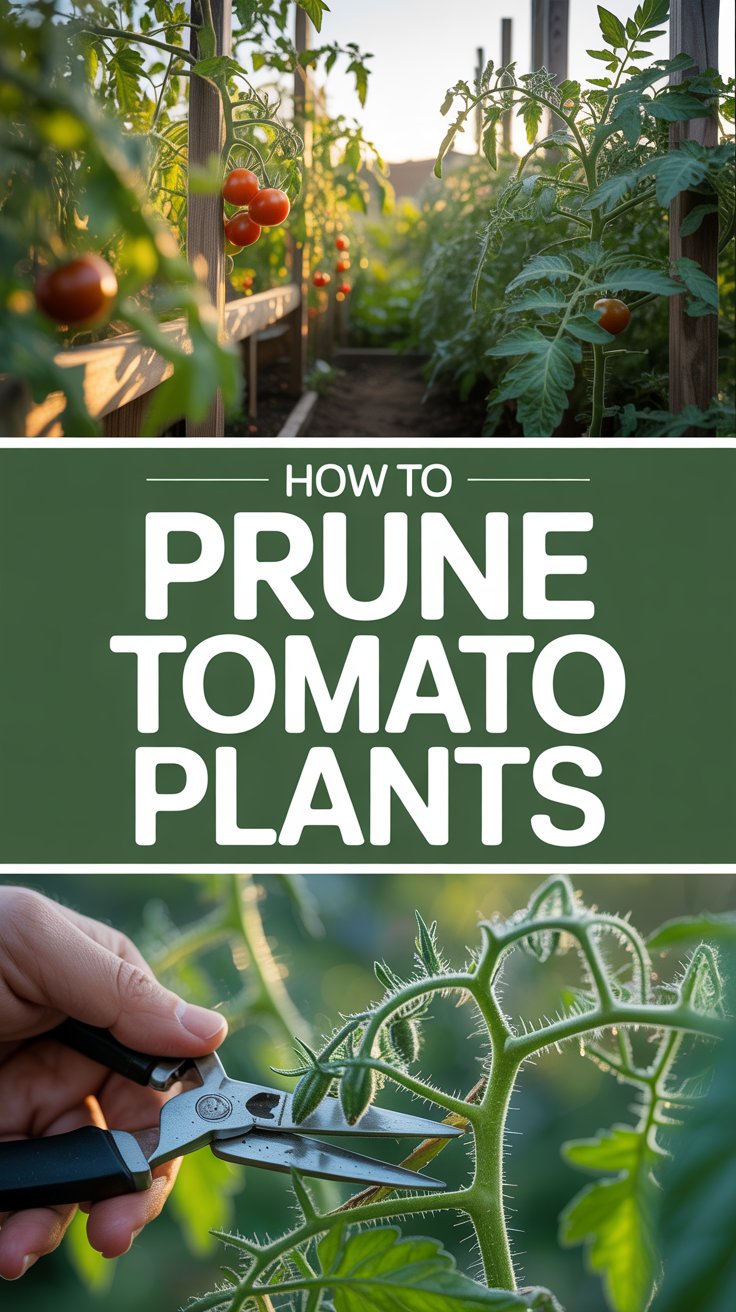
Prune indeterminate (vining) tomato plants by removing suckers—the small shoots that grow in the “V” where a leaf meets the main stem. Start when plants are 12-18 inches tall, after the first flowers appear. Keep 1-2 main stems, remove lower leaves touching the ground, and prune regularly every 7-10 days.
Determinate (bush) tomatoes need little to no pruning—just clean up low leaves. Always use clean hands or tools, prune in dry weather, and stop heavy pruning near harvest time.
Ready for the full story? Let’s dive in.
Why Pruning Tomato Plants Makes a Big Difference
Tomato plants naturally want to grow lots of leaves and branches. While that looks impressive, too much green growth steals energy from fruit production.
Pruning helps in several key ways:
- Improves air circulation to reduce diseases like blight.
- Allows more sunlight to reach developing fruits.
- Directs the plant’s energy toward fewer, but larger and better-quality tomatoes.
- Makes plants easier to manage, stake, and harvest.
- Reduces the risk of pests hiding in dense foliage.
In my experience, pruned plants often produce earlier and have healthier fruit compared to unpruned ones in the same garden bed.
Determinate vs. Indeterminate Tomatoes: Know Your Type First
This is the most important first step before you touch any plant.
Indeterminate tomatoes (like most heirlooms, Beefsteak, or Cherry varieties) keep growing all season long, often reaching 6-10 feet or more. These benefit greatly from regular pruning.
Determinate tomatoes (bush types like Roma or Early Girl Bush) grow to a certain height, set most of their fruit at once, and stop. Pruning them heavily can actually reduce your harvest. For these, focus mainly on removing leaves touching the soil.
If you’re unsure about your variety, check the seed packet or plant tag. When in doubt, go light on pruning until you see how the plant behaves.
When to Start Pruning Tomato Plants
Timing matters a lot. Don’t rush it right after transplanting.
Wait until your plants are about 12-18 inches tall and have their first flower clusters forming. This is usually 3-4 weeks after planting outdoors.
In many climates, this lands in late June or early July. Prune in the morning on a dry day so cuts heal quickly and disease risk stays low.
Continue light pruning every 7-10 days throughout the growing season. Stop heavy sucker removal about a month before your first expected frost so the plant can focus on ripening existing fruit.
Tools You’ll Need for Pruning
You don’t need fancy equipment:
- Clean hands (for small suckers).
- Sharp pruning shears or scissors.
- Rubbing alcohol or disinfectant wipes to clean tools between plants.
- Gloves if you prefer (though many gardeners like the tactile feel of pinching).
Always sanitize your tools to prevent spreading any hidden diseases.
Step-by-Step: How to Prune Tomato Plants
Here’s the practical process I follow every season.
Step 1: Identify the Main Stem and Suckers
Look for the strong central stem. Suckers are the vigorous shoots that pop out in the leaf axils (the crotch between the main stem and a branch).
Small suckers are easy to pinch off with your thumb and finger. Larger ones may need shears—cut them cleanly close to the stem without damaging the main plant.
Step 2: Decide on Single Stem or Multiple Stems
For maximum fruit size and earlier harvest, keep just one main stem. This works great in smaller spaces or greenhouses.
For higher overall yield (more but possibly smaller fruits), allow 2-3 strong stems. I often keep the first strong sucker below the first flower cluster as a second leader.
Step 3: Remove Lower Leaves
Strip leaves from the bottom 6-12 inches of the plant. This prevents soil splash, improves airflow, and reduces disease risk.
Only remove leaves that are yellowing, damaged, or touching the ground. Don’t strip too many healthy leaves at once—tomatoes need foliage for photosynthesis.
Step 4: Prune Suckers Regularly
Check plants every few days during peak growth. Pinch off new suckers while they’re small. This prevents them from turning into full branches that compete for energy.
Step 5: Top the Plants (Late Season)
About 4 weeks before frost, cut off the growing tips of the main stems. This tells the plant to stop making new leaves and focus on ripening existing tomatoes.
Pruning Different Tomato Varieties
Cherry and grape tomatoes are vigorous indeterminates. They can handle a bit more growth, but still benefit from sucker control to keep them tidy.
Beefsteak and larger slicing varieties respond beautifully to stricter pruning, producing those massive fruits everyone loves.
Paste tomatoes (like Roma) are often determinate or semi-determinate—go easy.
Common Beginner Mistakes to Avoid
I’ve made most of these myself over the years:
- Pruning determinate varieties too aggressively (big yield loss).
- Removing too many leaves at once, which can stress the plant and cause sunscald on fruits.
- Pruning when plants are wet, which spreads disease.
- Letting suckers grow too large before removing them (creates bigger wounds).
- Forgetting to sanitize tools between plants.
- Over-pruning early in the season before the plant is established.
Start conservatively. You can always prune more, but you can’t put leaves back on!
Troubleshooting Common Pruning Problems
Plant looks stressed after pruning? Give it some compost tea or balanced fertilizer and ease up for a week or two.
Fruits getting sunscald? Leave a bit more foliage higher up to provide natural shade.
Too many small suckers everywhere? That’s normal in warm weather. Just stay consistent with weekly checks.
Diseased-looking stems? Remove affected parts immediately and dispose of them away from the garden (don’t compost diseased material).
Benefits Beyond the Harvest
Pruned tomato plants look neater and are much easier to support with stakes, cages, or trellises. They take up less space horizontally, which is perfect for raised beds or small urban gardens.
You’ll also spend less time fighting fungal issues and more time enjoying ripe tomatoes straight off the vine.
Natural Insights from the Garden
One thing I’ve noticed: Plants seem to “thank” you for pruning with a burst of new flowers shortly after. It’s like they appreciate the direction.
In hotter climates, a little extra foliage can protect fruits from intense sun. In humid areas, aggressive pruning for airflow makes a huge difference against blight.
Experiment a little each season. Gardening is as much art as science.
Supporting Your Pruned Tomato Plants
Pruning goes hand-in-hand with good support. Use sturdy stakes or a Florida weave trellising system for indeterminates.
Water consistently at the base (avoid wetting leaves), mulch well, and feed with a tomato-specific fertilizer. Healthy roots and steady nutrition help pruned plants thrive.
FAQ: How to Prune Tomato Plants
How often should I prune my tomato plants? Every 7-10 days during active growth is ideal. Check for new suckers regularly and remove them while small.
Should I prune the bottom leaves of tomato plants? Yes, remove lower leaves that touch the soil or are yellowing. This helps prevent disease, but don’t remove more than about one-third of the foliage at a time.
Can you prune tomato plants too much? Absolutely. Over-pruning stresses the plant, reduces photosynthesis, and can lead to smaller harvests or sunscald. Always leave enough healthy leaves.
When should I stop pruning tomato plants? Stop heavy pruning about a month before your first frost. Focus instead on harvesting and letting the plant ripen remaining fruit.
Do all tomato plants need pruning? No. Focus on indeterminate varieties. Determinate and dwarf types generally need minimal intervention beyond basic cleanup.
Is it better to prune in the morning or evening? Morning on a dry day is best. The cuts have the whole day to heal before cooler, damper night air arrives.
Final Thoughts: Enjoy the Fruits of Your Labor
Learning how to prune tomato plants is one of those skills that pays off season after season. Your garden will look tidier, your plants will stay healthier, and those homegrown tomatoes will taste even sweeter knowing you helped them reach their full potential.
Don’t worry about being perfect right away. Start small, observe your plants, and adjust as you go. Before long, pruning will feel like second nature.
Now grab your shears (or just your fingers), head out to the garden, and give those tomatoes some love. I can’t wait to hear about your amazing harvest!
Drop a comment below with your biggest pruning win or challenge this season. Happy gardening!