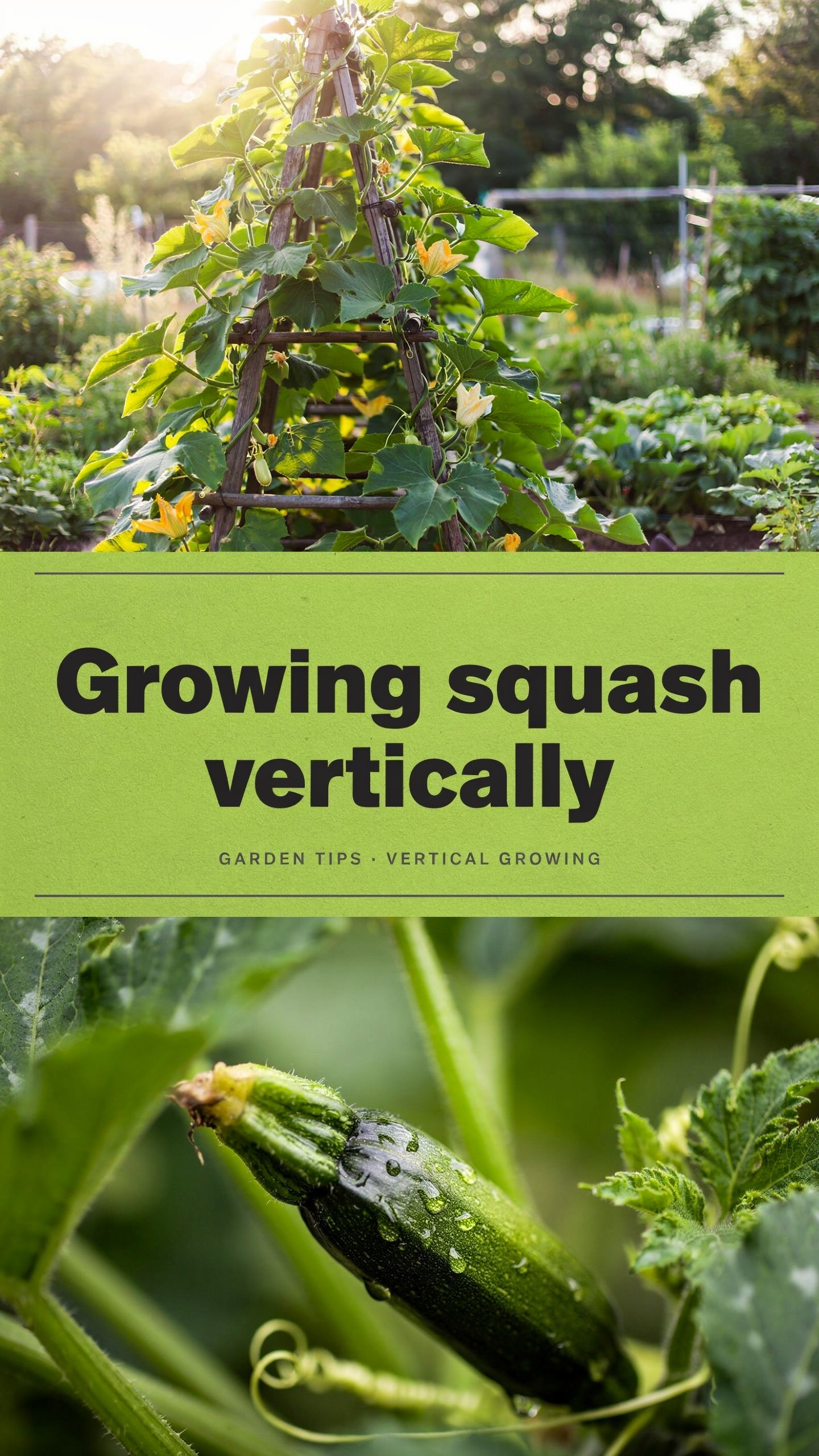

Imagine stepping into your garden and seeing lush green vines climbing tall instead of sprawling everywhere, stealing space from your tomatoes and peppers. No more tripping over giant leaves or hunting for hidden squash under a messy tangle. Growing squash vertically turns that chaos into an organized, productive vertical garden that looks amazing and delivers bigger harvests.
If you’re a beginner frustrated with squash taking over your small yard or raised beds, this is the simple solution you’ve been looking for. In this guide, I’ll walk you through everything — from picking the right varieties to training vines and troubleshooting — so you can enjoy fresh squash all season with less hassle.
Quick Answer: Can You Grow Squash Vertically?
Yes! Vining varieties of summer and winter squash thrive when trained upward on sturdy supports. It saves massive ground space (one plant can replace 10-15 square feet of sprawl), improves airflow to reduce diseases like powdery mildew, makes harvesting easier, and often leads to straighter, cleaner fruit. Best for small spaces, balconies, or maximizing any garden.
Start with a strong trellis or stake, plant vining types, and gently train the vines as they grow. You’ll see results fast — squash are vigorous growers!
Why Grow Squash Vertically? The Real Benefits
Squash plants are famous (or infamous) for their enthusiastic growth. One vine can snake across 10-20 feet of garden bed if left unchecked. Growing them vertically changes the game.
First, space savings. In a small backyard or urban plot, vertical growing lets you fit more plants — and more crops overall. You free up the ground underneath for herbs, lettuce, or flowers.
Better air circulation is a huge win. Leaves stay drier and get more sunlight, which cuts down on fungal issues like powdery mildew that plague ground-level plants. Fruits hang away from soil, reducing rot and pest problems like squash bugs.
Harvesting becomes a joy. No bending or moving heavy leaves — just reach up and pick. Fruits often grow straighter and more uniform too, especially long varieties like tromboncino.
It looks fantastic. A living wall or arch of squash adds beauty and vertical interest to your garden.
I’ve tried it in my own space, and the difference is night and day. My vertical zucchini produced steadily without overwhelming everything else nearby.
Best Squash Varieties for Vertical Growing
Not all squash work the same. Bush varieties stay compact and don’t vine well, so stick to vining or semi-vining types.
Summer squash favorites:
- Zucchini like ‘Black Beauty’ or ‘Costata Romanesco’ — productive and trainable.
- Tromboncino (Rampicante) — long, delicious fruits that hang beautifully.
- Yellow straightneck or crookneck.
Winter squash standouts:
- Butternut varieties (smaller ones like Waltham).
- Delicata — sweet, manageable size.
- Spaghetti squash.
- Acorn or small pie pumpkins.
Avoid giant pumpkins or massive hubbards unless you build serious heavy-duty supports and use slings. Start with smaller-fruited types as a beginner. Check seed packets for “vining” descriptions.
Choosing and Building Supports for Squash
The key is strength. Squash vines and fruits get heavy, especially after rain. Flimsy tomato cages won’t cut it.
Simple options:
- Single sturdy stake: Use a 2×4 ripped down, electrical conduit, or thick bamboo. Drive it deep (at least 1-2 feet) before planting. Great for zucchini.
- Cattle panel arch or A-frame: Incredibly durable and creates a tunnel. Anchor with T-posts.
- Trellis netting or wire panels: Secure to posts or a wall. Use 4-6 inch mesh so you can reach through.
- Teepee or tripod: Fun and decorative with poles or branches.
Install supports before planting to avoid damaging roots. Aim for 6-8 feet tall for good vertical reach. Use soft ties like jute twine, paracord, or cloth strips — never anything that cuts into stems.
For heavy fruits, make slings from old pantyhose, mesh bags, or fabric to cradle them and tie to the structure. This prevents stem breakage.
Step-by-Step: How to Plant and Train Squash Vertically
Ready to get your hands dirty? Here’s the process.
1. Site Selection and Soil Prep
Choose a spot with full sun (at least 6-8 hours). Squash love rich, well-draining soil. Amend with compost and a balanced fertilizer — these are heavy feeders.
2. Planting
Direct sow seeds or transplant seedlings after the last frost, when soil warms. Plant at the base of your support, spacing according to variety (often 2-3 feet apart for vertical). Mulch around the base to retain moisture and suppress weeds, but keep it away from stems.
3. Training the Vines
Squash aren’t natural twining climbers like beans, but they have tendrils. Start guiding early when vines reach 6-8 inches. Gently weave or tie the main stem to the support every few inches. Loosen ties as the plant thickens.
Prune lower leaves as the plant climbs to improve airflow and direct energy upward. Remove side shoots if the plant gets too bushy.
Check and adjust ties regularly, especially as fruits develop.
4. Watering and Feeding
Water deeply at the base, aiming for consistent moisture (1-2 inches per week). Drip irrigation works great vertically. Fertilize every few weeks with a balanced or bloom-boosting formula. Avoid high nitrogen late in the season, which favors leaves over fruit.
Daily Care and Maintenance Tips
- Monitor for pests daily: Squash vine borers, squash bugs, and cucumber beetles are common. Use row covers early, hand-pick, or try neem oil.
- Hand-pollinate if needed: Use a paintbrush to transfer pollen on days with few bees.
- Prune strategically: Keep 6-8 main vines and trim excess to focus energy.
- Harvest often: Pick summer squash small and tender; this encourages more production. For winter types, let mature on the vine.
Real talk from my garden: Consistent tying in the first few weeks prevents a tangled mess later. It only takes a few minutes every couple days.
Common Beginner Mistakes to Avoid
- Installing support after planting — damages roots.
- Using weak ties or structures — leads to collapse.
- Waiting too long to train vines — they get heavy and hard to lift.
- Overwatering or poor drainage — invites rot.
- Forgetting fruit support — stems snap under weight.
Don’t stress if you make a mistake. Squash are forgiving; new shoots often pop up.
Troubleshooting Common Problems
Vines not climbing or detaching: Guide more frequently and use textured supports. Young vines are flexible.
Powdery mildew: Improve airflow, water at base, remove affected leaves. A baking soda spray can help prevent spread.
Fruit dropping or rotting: Ensure pollination, support heavy fruits, and harvest promptly.
Pests like vine borers: Look for wilting or sawdust-like frass. Bury affected vine sections or use BT.
Yellow leaves: Check watering, nutrients, or pests.
Trellis tipping: Reinforce anchors, especially in wind.
Vertical growing actually reduces many issues compared to sprawling, but stay observant.
Harvesting and Enjoying Your Vertical Squash
Summer squash: Pick when 6-8 inches long for best flavor. Use a sharp knife.
Winter squash: Leave until skins harden and vines die back. Cure in a warm spot before storing.
The satisfaction of plucking a perfect zucchini or butternut from eye level is unbeatable. Share extras with neighbors — vertical plants can be super productive!
FAQs About Growing Squash Vertically
Can you grow zucchini vertically? Absolutely. Many zucchini varieties (especially vining ones) do great on stakes or trellises. It keeps them contained and easier to manage.
What’s the best trellis for heavy squash? Cattle panel arches or strong A-frames. For single plants, deep-staked wood or conduit works well. Always support fruits individually if needed.
How much space do vertical squash save? A lot — one vining plant might only need 2-3 square feet at the base instead of 10-20+ sprawling. Perfect for small gardens.
Do I need to prune squash grown vertically? Yes, regularly. Remove lower leaves and excess side shoots for better airflow, light, and fruit production.
Will vertical squash produce as much as sprawling? Often more, thanks to better health, easier care, and focused energy. Yields stay high or improve with good care.
Can I grow winter squash like butternut vertically? Yes, especially smaller varieties. Use slings for larger fruits and sturdy supports.
Ready to Transform Your Garden?
Growing squash vertically is one of those game-changing techniques that makes gardening more fun and productive. You’ll wonder why you ever let them sprawl.
Give it a try this season — start small with a single stake and a zucchini plant. Before long, you’ll be harvesting from your own vertical squash jungle and wondering what else you can grow up instead of out.
I’d love to hear how it goes for you! Drop a comment with your favorite variety or any tips you’ve discovered. Happy gardening, and here’s to abundant harvests!