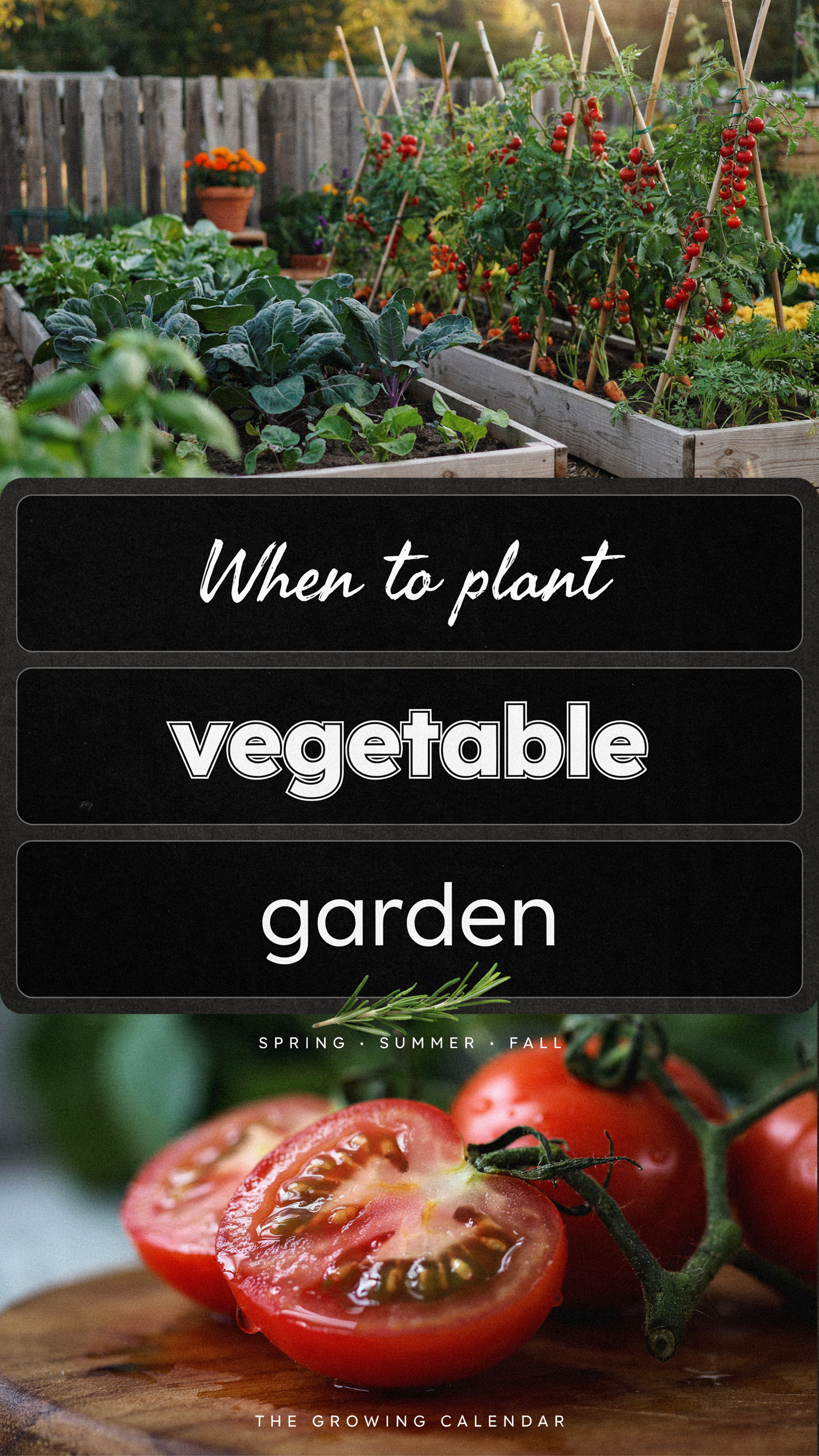

Imagine stepping outside to your backyard and picking fresh, juicy tomatoes or crisp lettuce for dinner—straight from your own soil. It sounds amazing, right? But for many new gardeners, figuring out exactly when to plant a vegetable garden feels overwhelming. One late frost can wipe out your seedlings, or planting too late means your plants never produce before summer heat hits.
I’ve been there. My first garden attempt ended with sad, frost-bitten tomatoes because I jumped the gun on a warm spring day. The good news? You don’t need a green thumb or years of experience. With the right timing and a few simple strategies, you can grow a thriving vegetable garden that feeds your family all season long.
Quick Answer: When Should You Plant Your Vegetable Garden?
The best time to plant depends on your local climate, specifically your last spring frost date and first fall frost date.
- Cool-season crops (like lettuce, peas, spinach, kale, and radishes): Plant in early spring as soon as the soil is workable, often 4-6 weeks before the last frost. Many can also go in again in late summer or fall.
- Warm-season crops (like tomatoes, peppers, cucumbers, beans, and squash): Wait until after your last frost date, when soil and air temperatures are consistently warm (usually soil above 60-70°F).
Use your ZIP code to find exact frost dates on sites like the Old Farmer’s Almanac or local extension services. Then, work backward from there. This one step transforms guesswork into confidence.
Why Timing Matters More Than You Think
Planting at the right time is the foundation of garden success. Vegetables have specific temperature preferences. Cool-season ones bolt (go to seed prematurely) in heat, while warm-season ones sulk or die in cold.
Getting timing right means stronger plants, fewer pests, better yields, and less frustration. It’s the difference between a disappointing patch and a backyard bounty you’ll brag about.
Understanding Your Growing Zone and Frost Dates
Start here—it’s your gardening GPS.
The USDA Plant Hardiness Zone Map tells you average winter lows, but for vegetables, frost dates are king. Your last spring frost date is the average day when the risk of freezing drops low enough for tender plants.
Search “frost dates [your city or ZIP]” for reliable info. For example, in many northern areas, it might be mid-to-late May; in southern zones, it could be March or earlier.
Pro tip: Don’t rely on a single date. Watch your local 10-day forecast. I often wait an extra week after the “average” last frost for safety, especially with expensive transplants.
Soil temperature matters too. Use a cheap soil thermometer—many seeds won’t germinate well in cold dirt.
Cool-Season vs. Warm-Season Vegetables: Know the Difference
This distinction makes planning easy.
Cool-season vegetables thrive in 50-75°F days and tolerate light frost. They grow best in spring and fall.
Examples:
- Leafy greens (lettuce, spinach, kale)
- Root crops (carrots, beets, radishes)
- Brassicas (broccoli, cabbage, cauliflower)
- Peas and onions
Warm-season vegetables need warm soil (above 60°F) and no frost risk. They love summer heat.
Examples:
- Tomatoes, peppers, eggplant
- Cucumbers, squash, melons
- Beans and corn
Plant cool-season first for early harvests, then follow with warm-season for summer abundance.
Step-by-Step: How to Decide When to Plant in Your Area
- Find your frost dates — Use an online calculator.
- Check soil readiness — It should be crumbly, not soggy or frozen. Early spring often means waiting until it thaws and dries a bit.
- Start seeds indoors (if needed) — For long-season crops like tomatoes, start 6-8 weeks before last frost.
- Direct sow or transplant outdoors at the right window.
- Succession plant — Stagger plantings every 2-3 weeks for continuous harvest.
- Plan for fall — Use first frost date to work backward for late crops.
This simple sequence keeps things manageable even for total beginners.
Early Spring Planting: Getting a Head Start
As soon as soil can be worked (usually when it reaches about 40°F), get cool-season crops in the ground.
Great options: Peas, spinach, lettuce, radishes, kale, and Swiss chard. These love the cool weather and give quick wins—radishes can be ready in just 3-4 weeks!
Personal insight: Nothing beats the satisfaction of harvesting your first homegrown salad while neighbors are still buying grocery store greens.
If you have a cold frame or row covers, you can push the envelope even earlier for extra protection.
The Safe Window for Warm-Season Crops
Wait until after the last frost and when nights stay above 50°F. For many places, this is late spring into early summer.
Tomatoes, peppers, and eggplants are especially frost-tender— one cold night can ruin them. Cucumbers and squash are a bit more forgiving but still prefer warmth.
Beginner tip: Harden off indoor seedlings by gradually exposing them to outdoor conditions over 7-10 days before transplanting. Skip this and you risk transplant shock.
Regional Considerations: Your Location Changes Everything
Gardening isn’t one-size-fits-all:
- Northern/short-season areas: Focus on quick-maturing varieties and use season extenders like high tunnels.
- Southern/hot areas: Plant cool-season crops in fall or very early spring to beat the heat. Use shade cloth for summer.
- Mild coastal zones: You might garden nearly year-round with succession planting.
Check local university extension resources—they have region-specific calendars tailored to real conditions.
Common Beginner Mistakes (and How to Avoid Them)
- Planting too early: Eager gardeners lose crops to surprise frosts. Solution: Trust the dates but verify with weather apps.
- Planting too late: Your tomatoes never ripen before fall. Solution: Start seeds indoors on time.
- Ignoring soil temperature: Seeds rot in cold ground. Solution: Measure it!
- Overcrowding: Plants compete and stay small. Solution: Follow spacing on seed packets.
- No succession planting: One big harvest then nothing. Solution: Plant a little every couple weeks.
I’ve made most of these mistakes myself—learn from them so your first year is smoother.
Practical Tips for Planting Success
- Amend your soil — Add compost for nutrients and better drainage.
- Mulch after planting to retain moisture and suppress weeds.
- Water consistently — Deep, infrequent watering encourages strong roots.
- Use companion planting — Marigolds deter pests; basil enhances tomatoes.
- Keep records — Note planting dates, varieties, and what worked. Your future self will thank you.
Start small your first year—maybe just 4-6 favorite crops—to build confidence.
Troubleshooting Common Timing-Related Problems
Plants yellowing or stunted? Could be cold soil stressing roots. Warm it up with black plastic or wait longer next year.
Bolting greens? Too much heat—plant earlier or provide afternoon shade.
No fruit on warm-season plants? Nights too cool or lack of pollinators. Hand-pollinate if needed and be patient.
Pests exploding? Healthy, well-timed plants resist better. Healthy soil is your best defense.
If something fails, treat it as a lesson. Gardening is forgiving—most issues have simple fixes.
Extending Your Harvest Season
Don’t stop at spring!
- Succession planting for continuous supply.
- Fall planting of cool-season crops using your first frost date.
- Season extenders: Row covers, cloches, or a simple hoop house can add weeks or months.
- Container gardening on a patio for flexibility.
Many gardeners enjoy fresh produce from their backyard for 6-9 months or more with smart timing.
Building Your Personalized Planting Calendar
Grab a notebook or free template online. List your frost dates at the top, then map out:
- Indoor seed starting dates
- Outdoor planting windows
- Expected harvest times
Review and tweak it each year. Over time, it becomes second nature.
Real-World Observations from the Garden
In my experience, the most successful gardeners aren’t the ones with fancy setups—they’re the ones who observe their specific microclimate. That sunny south-facing spot might warm up faster. Low areas might collect cold air.
Pay attention to your yard, talk to neighbors, and join a local gardening group. Those connections turn “when to plant” from theory into practical wisdom tailored to you.
FAQ: When to Plant Your Vegetable Garden
How do I find my exact last frost date? Enter your ZIP code into a frost date calculator from the Old Farmer’s Almanac or your local cooperative extension. Averages are helpful, but always check the forecast.
Can I plant vegetables before the last frost? Yes—for hardy cool-season crops. Avoid tender ones like tomatoes until after.
What if I miss the planting window? Many crops can still be planted later, especially fast growers or in warmer climates. Buy transplants for a head start.
Is it better to start from seeds or buy plants? Seeds are cheaper and offer more variety. Transplants are easier for beginners or long-season crops.
How does climate change affect planting times? Seasons are shifting in many areas. Pay closer attention to current weather patterns and adjust dates gradually over years.
When should I plant for a fall garden? Count backward from your first fall frost date, adding the “days to maturity” from your seed packet.
Ready to Grow Your Own Food?
There’s something deeply satisfying about timing your garden just right and watching it thrive. You’ll save money, eat fresher, and connect with nature in a powerful way.
Start small, stay curious, and don’t be afraid to experiment. Your perfect vegetable garden is waiting—grab those seeds (or transplants) at the right time, and enjoy the harvest ahead.
What are you planning to grow first? Drop a comment below—I’d love to hear about your garden journey and offer more tips if you need them. Happy planting!