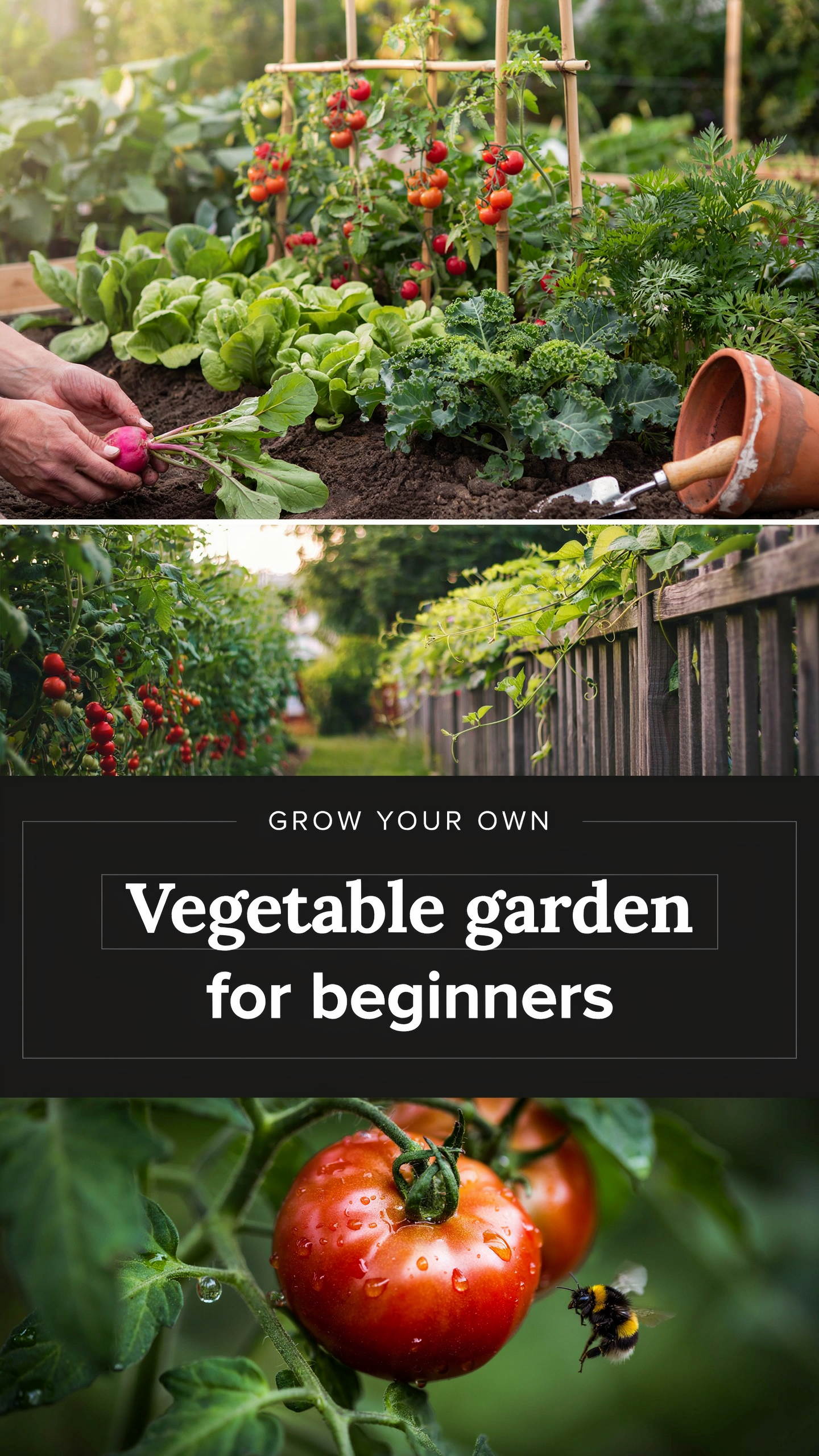

Imagine stepping outside your door and picking a sun-warmed tomato or crisp lettuce for your dinner salad. No more wondering where your produce came from or worrying about pesticides. A vegetable garden for beginners can feel intimidating at first—like there’s too much to learn and too many ways to mess it up. But here’s the good news: anyone can do this, even with zero experience.
I’ve been there—staring at a patch of dirt, full of excitement and a little overwhelm. The secret? Start simple, learn as you go, and enjoy the process. In this guide, we’ll walk through everything you need to know to create your first successful vegetable garden.
Quick Answer: Can Beginners Really Grow Vegetables Successfully?
Yes! Start small (a 4×4 or 4×8 raised bed or even containers), choose easy crops like lettuce, radishes, beans, and tomatoes, pick a sunny spot with good soil, and water consistently. Many beginners see their first harvest in just weeks. Success comes from patience and learning from small mistakes.
Why Start a Vegetable Garden for Beginners Right Now?
Growing your own vegetables is incredibly rewarding. You’ll enjoy fresher, tastier food, save money over time, and connect with nature in a meaningful way. Plus, gardening reduces stress and gives you a sense of accomplishment every time you harvest something.
For beginners, the biggest pain point is often fear of failure. What if nothing grows? What if pests destroy everything? Don’t worry—we’ll cover practical solutions so you can avoid common pitfalls and build confidence quickly.
Choosing the Perfect Spot for Your Vegetable Garden
Location is everything. Vegetables need at least 6–8 hours of direct sunlight daily. Observe your yard at different times of the day to find the brightest area.
Look for a relatively flat spot with good drainage. Avoid areas under big trees (they steal water and light) or near buildings that cast heavy shade.
Pro tip: Place your garden close to a water source. Hauling hoses across the yard gets old fast.
If space is limited, raised beds or containers work wonderfully for a vegetable garden for beginners. They warm up faster in spring and make maintenance easier.
Preparing Your Soil – The Foundation of Success
Healthy soil grows healthy plants. Most beginners underestimate this step, but it makes the biggest difference.
Test your soil if possible. Many local extension offices offer affordable tests. Otherwise, start by removing grass and weeds. You can use cardboard covered with mulch to smother them (sheet mulching).
Mix in plenty of compost or well-rotted manure. Aim for loose, crumbly soil that drains well but holds moisture. Raised bed mixes are a great shortcut for beginners.
Avoid walking on your garden beds. This compacts the soil and hurts root growth. Use paths or stepping stones.
Deciding What to Grow: Easy Vegetables for Beginners
Focus on crops you actually love to eat. There’s no point growing kale if no one in your house touches it.
Top easy vegetables for beginners:
- Lettuce and leafy greens (harvest in weeks)
- Radishes (super fast)
- Green beans (bush or pole)
- Cherry tomatoes (reliable producers)
- Zucchini or summer squash (prolific)
- Cucumbers
- Peas
- Carrots and beets (root crops)
Start with 5–8 varieties max in your first year. Overplanting is one of the biggest rookie mistakes.
Consider your climate. Cool-season crops like lettuce and peas do well in spring and fall. Warm-season ones like tomatoes and peppers need heat.
Step-by-Step: How to Plant Your First Vegetable Garden
- Plan your layout. Sketch it out on paper. Group plants with similar needs together.
- Start seeds or buy transplants? Beginners often have better luck with transplants (young plants) from a nursery for tomatoes, peppers, and eggplants. Direct sow radishes, beans, and lettuce.
- Plant at the right time. Check your local last frost date. Cool crops go in early; warm crops wait until soil warms up.
- Space properly. Overcrowding leads to disease and poor yields. Follow seed packet recommendations.
- Water gently after planting. Keep soil moist until seeds sprout or transplants settle in.
Watering Wisely for Healthy Plants
Water deeply but infrequently. Aim for about 1 inch per week. Stick your finger in the soil—if the top inch feels dry, it’s time to water.
Early morning is best. This gives leaves time to dry and reduces disease risk. Avoid overhead watering when possible; target the soil around roots.
Mulch around plants with straw, leaves, or wood chips. It conserves moisture, suppresses weeds, and keeps soil cooler.
Essential Tools and Supplies for Beginners
You don’t need fancy equipment. Start with:
- Hand trowel
- Garden gloves
- Hose or watering can
- Pruners
- Soil test kit (optional but helpful)
- Compost or raised bed mix
- Mulch
Quality tools last years and make the work more enjoyable.
Daily and Weekly Garden Care Routine
Consistency beats perfection. Spend 10–15 minutes a day checking on things.
- Look for pests or disease early.
- Pull weeds while they’re small.
- Harvest regularly to encourage more production.
- Water as needed.
Keep a simple garden journal. Note what you planted, when, and how it performed. This becomes your best reference for future seasons.
Common Beginner Mistakes to Avoid in Your Vegetable Garden
We all make them, but knowing ahead helps:
- Starting too big. A small successful garden beats a huge overwhelming one.
- Planting too early. Cold soil and frost can kill young plants.
- Poor spacing. Crowded plants compete and get sick.
- Ignoring soil health. Adding compost regularly is key.
- Inconsistent watering. Fluctuations stress plants.
- Not labeling plants. You’ll forget what’s what.
Another big one: planting things you don’t eat. Grow what your family loves.
Troubleshooting Common Problems
Yellow leaves? Could be overwatering, nutrient deficiency, or lack of sun. Check soil moisture first.
Wilting plants? Usually underwatering, but could be pests or disease. Examine roots and soil.
Pests attacking? Hand-pick larger bugs. Use row covers or neem oil for others. Companion planting (like marigolds with tomatoes) helps naturally.
No fruit on tomatoes or squash? Temperature extremes or lack of pollinators can cause this. Hand-pollinate if needed by gently brushing flowers.
Slugs or snails? Beer traps or diatomaceous earth work well.
Patience is your friend. Most issues have simple fixes once you identify them.
Organic Pest and Disease Management
Prevention beats cure. Healthy plants resist problems better.
- Rotate crops each year.
- Remove diseased plants promptly.
- Encourage beneficial insects with flowers.
- Use physical barriers like netting.
For beginners, focus on cultural practices first—right plant, right place, right time.
Harvesting and Enjoying Your Bounty
The best part! Pick frequently. Many crops (beans, zucchini, lettuce) produce more when harvested often.
Harvest in the morning when it’s cool for best flavor. Use clean scissors or pruners to avoid damaging plants.
Share extras with neighbors or friends. Nothing beats the joy of giving away homegrown veggies.
Extending Your Growing Season
Once you get comfortable, try these beginner-friendly techniques:
- Succession planting (stagger plantings)
- Row covers or cold frames for cooler weather
- Container gardening for flexibility
Fall gardens can be surprisingly productive with crops like kale, spinach, and carrots.
Real-World Insights from My Garden
I still remember my first tomato harvest—small but incredibly sweet. The plants weren’t perfect, but tasting that first ripe fruit made everything worth it.
One year, I overcrowded zucchini and learned the hard way about airflow and powdery mildew. Now I give them plenty of space and laugh about it.
Gardening teaches resilience. Not every season is perfect, but each one gets better.
FAQ: Vegetable Garden for Beginners
How much space do I need for a vegetable garden for beginners? A 4×8 foot raised bed or a few large containers is plenty for your first year. You’ll be amazed at how much food you can grow in a small space.
What are the absolute easiest vegetables for beginners? Lettuce, radishes, bush beans, cherry tomatoes, and zucchini are forgiving and productive.
When should I start my first vegetable garden? Spring after the last frost is ideal for most, but check your local frost dates. Fall is another great time for cool-season crops.
Do I need raised beds or can I plant directly in the ground? Both work. Raised beds are easier for beginners because they offer better drainage and less bending.
How often should I water my vegetable garden? Deeply 2–3 times per week, depending on weather. Always check soil moisture rather than following a strict schedule.
What if I have poor soil or no yard? Container gardening on a patio or balcony works great. Use quality potting mix and choose compact varieties.
Your First Vegetable Garden Awaits
Starting a vegetable garden for beginners is more than growing food—it’s about creating something with your hands, learning from nature, and enjoying the simple pleasures of fresh harvests.
You don’t need to be perfect. You just need to start. Pick a small spot, grab a few seeds or plants, and dive in. The first bite of your own homegrown vegetable will make you smile bigger than you expect.
Ready to get your hands dirty? Head outside this week and take that first small step. Your future self (and your taste buds) will thank you.
What will you plant first? Drop a comment below—I’d love to hear about your gardening journey and cheer you on! Happy growing!