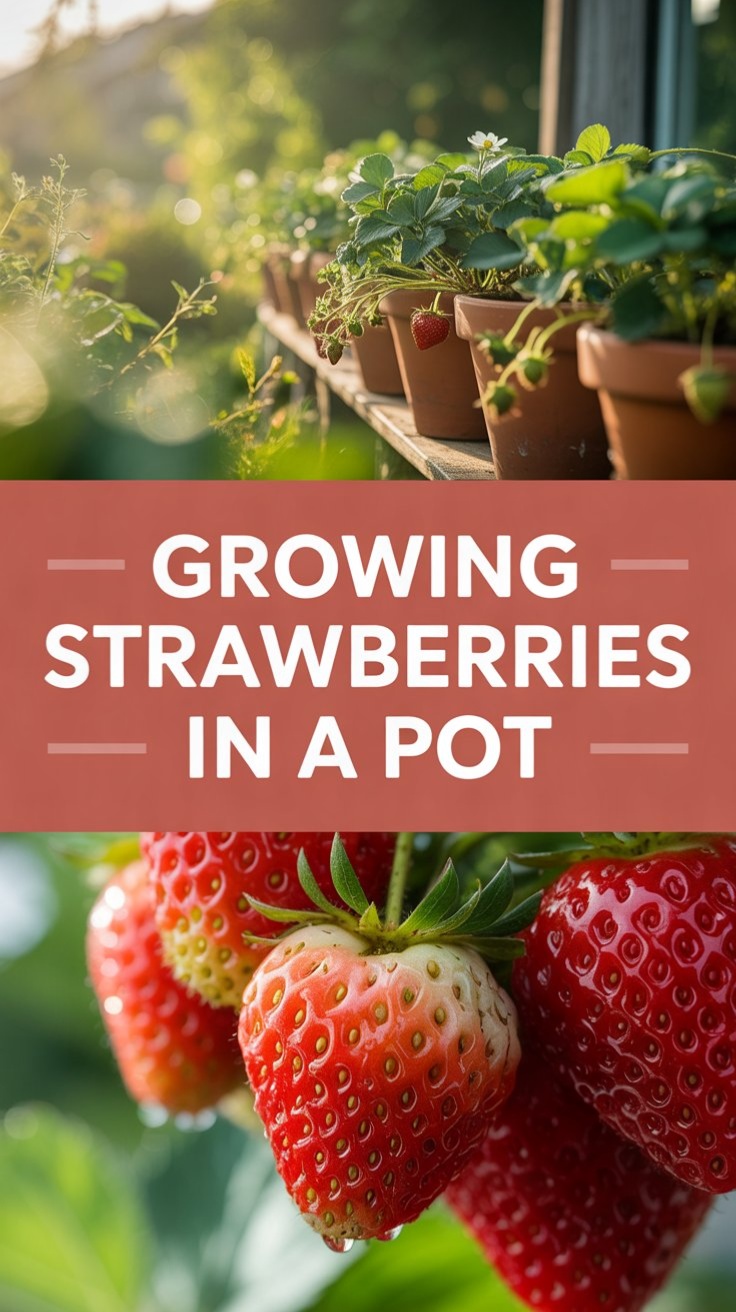

Imagine stepping onto your balcony or patio, reaching down, and popping a sun-warmed, perfectly ripe strawberry straight into your mouth. No trip to the grocery store needed. That fresh, juicy sweetness? It’s totally possible—even if you only have a small space.
Many beginners dream of growing strawberries but worry about limited yard space, poor soil, or not knowing where to start. The good news? Growing strawberries in a pot is one of the easiest and most rewarding ways to begin. Containers make it simple to control conditions, move plants for better sun, and enjoy berries even on a tiny balcony or windowsill.
In this guide, I’ll walk you through everything you need to know. From picking the right pot to harvesting your first sweet crop, you’ll feel confident every step of the way.
Quick Answer: Can You Grow Strawberries Successfully in Pots?
Yes! Strawberries thrive in containers with the right setup. Choose a pot at least 8–12 inches deep with good drainage, use quality potting mix, give them 6–8 hours of sunlight, and keep soil consistently moist. Day-neutral or everbearing varieties work best for longer harvests. You can expect fruit in the first season with proper care.
Why Growing Strawberries in a Pot Is Perfect for Beginners
Container gardening removes many headaches of traditional gardening. No heavy digging. No fighting clay soil or battling weeds as much. Pots let you start small and scale up.
I’ve grown strawberries in pots for years, and there’s something magical about watching those white flowers turn into red gems right outside your door. Plus, container plants often produce earlier and stay more manageable.
Whether you’re in an apartment, have a small patio, or just want to try something new, this method delivers results without needing a huge backyard.
Choosing the Best Strawberry Varieties for Pots
Not all strawberries perform equally in containers. Focus on these types:
- Day-neutral strawberries: These produce fruit throughout the growing season, regardless of day length. Great for steady harvests. Popular picks include Albion, Seascape, and Tribute.
- Everbearing strawberries: They give multiple flushes of berries in spring, summer, and fall. Varieties like Quinault or Ozark Beauty do well in pots.
- June-bearing: These offer one big harvest but need more space for runners. Better for larger containers or if you want a heavy early crop.
For beginners, start with day-neutral types. They forgive small mistakes and keep producing.
Look for disease-resistant varieties if possible. Healthy plants taste better and last longer.
Selecting the Right Pot for Your Strawberries
Pot choice makes a huge difference. Strawberries have shallow roots but need room to spread a bit.
Go for containers that are:
- At least 8–12 inches deep (deeper is better for stability).
- 12–18 inches wide for 2–3 plants.
- Made of terracotta, plastic, fabric grow bags, or even hanging baskets.
Avoid tiny pots—they dry out too fast. Strawberry-specific pots with side pockets look fun but can be tricky for watering evenly. A wide, shallow bowl often works better.
Make sure there are plenty of drainage holes. If not, drill some. Raised feet or saucers help prevent waterlogging.
I love using fabric grow bags because they promote air pruning of roots and prevent circling. They also stay cooler than dark plastic in hot weather.
Best Soil Mix for Growing Strawberries in a Pot
Never use garden soil in pots—it compacts, drains poorly, and brings pests or diseases.
Instead, use a high-quality potting mix blended with:
- Compost for nutrients.
- Perlite or vermiculite for drainage.
- A handful of coconut coir to hold moisture.
Aim for slightly acidic soil with pH around 5.5–6.8. Strawberries love rich but well-aerated conditions.
Mix in a slow-release organic fertilizer at planting time. This gives plants a gentle boost without burning roots.
Step-by-Step: How to Plant Strawberries in Pots
Ready to get your hands dirty? Here’s exactly how I do it:
- Prepare the pot: Clean it thoroughly. Add a layer of gravel or broken pottery at the bottom for extra drainage if needed.
- Fill with soil: Moisten the potting mix first so it’s damp but not soggy. Fill the pot, leaving 1–2 inches at the top.
- Position the plants: Space them 8–10 inches apart. Set the crown (where leaves meet roots) right at soil level—too deep causes rot, too high dries out roots.
- Firm the soil: Gently press around the base. Water deeply until it drains out the bottom.
- Place in sun: Choose a spot with 6–8 hours of direct sunlight. Morning sun is ideal.
Plant in early spring after the last frost for best results. Bare-root plants are cheaper and establish well.
Daily Care: Sunlight, Watering, and Feeding
Strawberries crave sunshine. Six to eight hours daily produces the sweetest fruit. In very hot climates, provide afternoon shade to prevent scorching.
Watering is crucial. Keep soil evenly moist like a wrung-out sponge. Containers dry out fast, especially in wind or heat. Check daily—water when the top inch feels dry.
Water at the base to keep leaves dry and reduce disease risk. Early morning is best.
Fertilizing: Use a balanced organic fertilizer every 3–4 weeks during growth. Switch to higher potassium when flowers appear for better fruit.
Mulch the top with straw or pine needles. It retains moisture, suppresses weeds, and keeps berries clean.
Managing Runners and Plant Maintenance
Strawberries love sending out runners (long stems with baby plants). In pots, these steal energy from fruit production.
Pinch off most runners to keep plants focused on berries. Let a few root in small pots if you want more plants next season.
Remove old yellow leaves regularly. This improves airflow and prevents mold.
Pollination and Protecting Your Crop
Bees and other pollinators do most of the work. Place pots where insects can reach flowers easily. You can hand-pollinate with a soft brush if needed.
Protect from birds with netting once berries start coloring. Slugs and snails love young plants—use organic bait or copper tape.
Aphids sometimes appear. A strong spray of water or neem oil usually handles them.
Common Beginner Mistakes to Avoid
- Overcrowding plants: They compete and produce less.
- Inconsistent watering: Leads to small, dry berries or rot.
- Wrong pot size: Tiny pots stress plants quickly.
- Burying the crown: Causes crown rot.
- Using garden soil: Poor drainage spells disaster.
I’ve made a few of these myself over the years. Learning from them makes the next season even better.
Troubleshooting Problems When Growing Strawberries in a Pot
Yellow leaves: Often overwatering or nutrient deficiency. Improve drainage and feed appropriately.
No flowers/fruit: Not enough sun, young plants, or too much nitrogen fertilizer.
Small berries: Inconsistent water or heat stress. Mulch helps.
Pests or mold: Increase airflow, avoid wetting leaves, and use organic controls.
Wilting in heat: Pots heat up fast. Move to partial shade during peak afternoon sun or insulate with reflective material.
Watch your plants daily. They’ll tell you what they need.
Harvesting and Enjoying Your Homegrown Strawberries
Pick berries when fully red and slightly soft. Twist gently or use scissors. Harvest every couple of days—ripe ones spoil fast.
Eat them fresh, make jam, freeze for smoothies, or bake into treats. Nothing beats the flavor of homegrown.
After harvest, cut back old foliage. Plants will send new growth for next season.
Overwintering Potted Strawberries
In colder climates, protect plants for next year. Move pots to a sheltered spot like an unheated garage or cover with straw and burlap.
Some gardeners bury pots in the ground or insulate heavily. Check periodically for moisture.
In mild areas, they often survive outdoors with protection.
FAQ: Growing Strawberries in a Pot
How many strawberry plants per pot? For a 12–14 inch pot, plant 2–3. Larger containers can hold 4–5. Don’t overcrowd.
How often should I water strawberries in pots? Daily in hot weather, less in cooler times. Keep soil moist but not soggy. Check with your finger.
Can strawberries grow in shade? They need full sun for good production. Less sun means fewer, smaller berries and leggy plants.
What’s the best fertilizer for potted strawberries? Organic balanced fertilizer or compost tea. High-potassium options help during fruiting.
How long do strawberry plants last in pots? Usually 2–3 productive years. Refresh soil and divide plants to keep them vigorous.
Do I need to replace soil every year? Top-dress with compost annually. Replace fully every 2–3 years or when plants decline.
Final Thoughts: Your First Sweet Harvest Awaits
There’s nothing quite like the satisfaction of growing your own strawberries. The patience, the care, and then that first perfect bite—it’s pure joy.
Even if you start small with just one pot, you’ll learn so much. Next season you’ll expand, try new varieties, and maybe share extras with neighbors.
Grab some plants, a good pot, and quality soil. You’ve got this. Soon you’ll be enjoying homegrown strawberries that taste like sunshine.
Happy planting! Drop a comment below with your favorite strawberry variety or any questions—I love hearing from fellow gardeners. Now go grow something delicious.