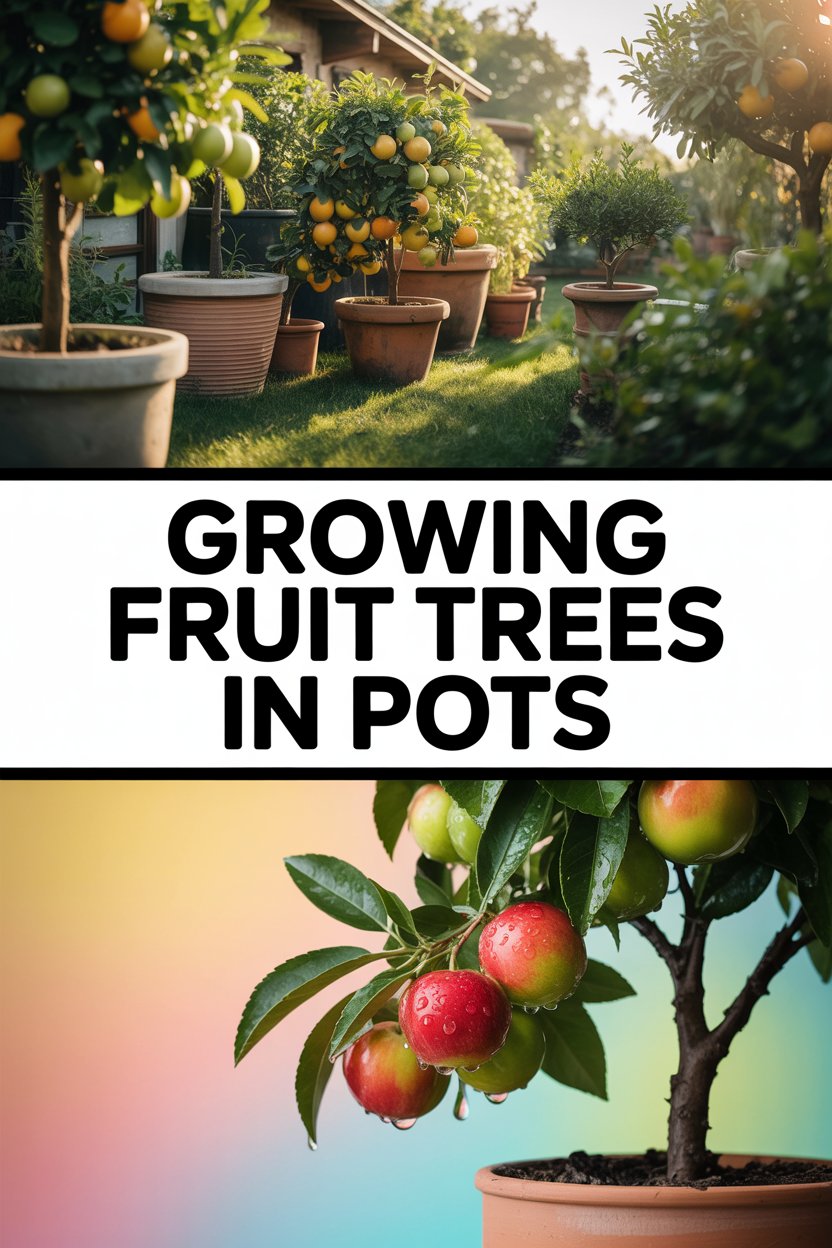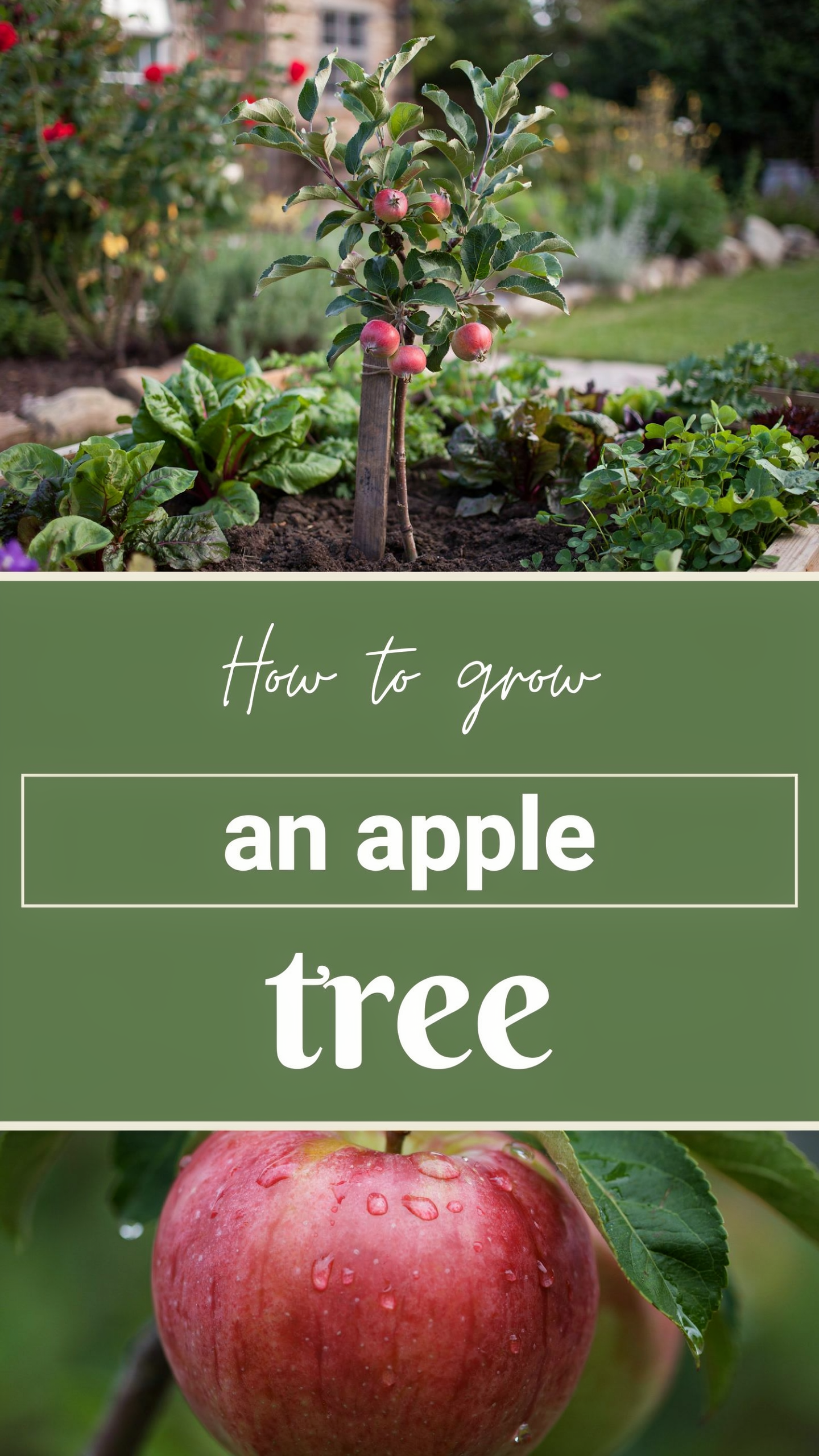

Imagine biting into a crisp, juicy apple picked fresh from your own backyard tree. That sweet reward after months of patient care feels incredibly satisfying. Many beginners dream of this but worry it’s too complicated or that their tree will never produce fruit.
The good news? Growing an apple tree is more straightforward than you think, especially when you start with the right approach. Whether you’re working with a sapling or experimenting with seeds, this guide walks you through everything in simple, doable steps.
Quick Answer: How Long Does It Take to Grow an Apple Tree?
Most people buy a young grafted sapling and see fruit in 2–5 years. Growing from seed takes longer—often 5–10 years or more—and the apples might differ from the parent fruit. With good sunlight, proper watering, and annual pruning, even beginners can enjoy a bountiful harvest.
Why Growing Your Own Apple Tree Is Worth It
Nothing beats the flavor of homegrown apples. Store-bought ones often travel far and lose freshness, but yours ripen on the tree at peak perfection. Plus, apple trees add beauty to your landscape with spring blossoms and provide habitat for pollinators.
They’re surprisingly adaptable too. With dwarf or semi-dwarf varieties, even small yards or patios work well. I’ve seen new gardeners turn a single tree into a productive little orchard that supplies pies, sauces, and snacks for years.
Choosing the Right Apple Tree for Your Garden
Success starts with picking a variety suited to your climate and space. Not all apple trees thrive everywhere, so check your USDA hardiness zone.
Popular beginner-friendly varieties include:
- Liberty or Enterprise: Excellent disease resistance, great for organic growing.
- GoldRush: Reliable producer with excellent storage qualities.
- Honeycrisp or Gala: Sweet, crisp favorites if you have good pollination partners.
- Golden Delicious: Versatile and relatively easy.
For small spaces, choose dwarf or semi-dwarf rootstocks. These stay manageable (8–15 feet tall) while still producing full-sized fruit.
Pro tip: Most apple trees need a cross-pollinator nearby—a different variety that blooms at the same time. Plant two compatible trees or add a crabapple for good measure.
How to Grow an Apple Tree from Seed (The Patient Way)
Growing from seed is a fun experiment, though results vary because apples don’t grow true to type from seed.
- Save seeds from ripe, healthy apples. Rinse them gently and let them dry.
- Stratify them to mimic winter: Wrap in a damp paper towel, place in a plastic bag, and refrigerate for 6–12 weeks.
- Plant in pots with good potting mix, about ½ inch deep. Keep soil moist and warm.
- Wait for sprouts (1–2 weeks after planting), then provide bright light.
Seedlings need protection from pests and consistent care for the first few years. Transplant to the garden once they’re strong and about a foot tall. Be prepared for surprises in flavor and size!
Many experienced growers prefer buying grafted saplings for predictable results and faster fruiting.
When and How to Plant Your Apple Tree
Timing matters. Plant bare-root trees in early spring as soon as the soil is workable, or in fall in milder climates. Container-grown trees have a longer planting window.
Step-by-step planting:
- Choose a sunny spot with at least 6–8 hours of direct sunlight daily and well-draining soil.
- Dig a hole twice as wide as the root ball but no deeper.
- Loosen the soil at the bottom and mix in some compost.
- Position the tree so the graft union (the bump near the base) sits 2–3 inches above soil level.
- Backfill gently, firm the soil, and water deeply.
- Mulch around the base (keep it away from the trunk) to retain moisture and suppress weeds.
Space trees 10–20 feet apart depending on variety and rootstock. Water new plantings regularly during the first year to help roots establish.
Caring for Your Young Apple Tree
Young trees need consistent attention but not constant fussing.
Watering: Deep, infrequent watering is best. Aim for about an inch of water per week, more during dry spells. Check soil moisture by sticking your finger a few inches down.
Fertilizing: Use a balanced fertilizer in spring, or opt for compost. Avoid over-fertilizing, which encourages leafy growth at the expense of fruit.
Mulching: A 2–4 inch layer of organic mulch keeps roots cool and moist.
I always tell beginners: observe your tree. Yellow leaves might mean too much or too little water. Wilting usually signals thirst.
Pruning Apple Trees: The Secret to Healthy Growth and Big Harvests
Pruning might feel scary at first, but it’s essential. It shapes the tree, improves air circulation, and boosts fruit production.
When to prune: Late winter or early spring while dormant.
Basic pruning steps for beginners:
- Remove dead, damaged, or crossing branches.
- Open up the center for sunlight and airflow.
- Keep the main scaffold branches evenly spaced.
- For young trees, focus on building a strong framework.
Don’t remove more than 1/3 of the tree’s growth in one season. Over-pruning stresses the tree.
Many new growers skip pruning and end up with dense, disease-prone trees. A little annual effort makes a huge difference.
Common Beginner Mistakes to Avoid
- Planting in shade or poor soil.
- Over-watering or letting the tree dry out completely.
- Ignoring pollination needs.
- Skipping pest and disease monitoring.
- Expecting perfect fruit the first year.
Take it one season at a time. Your tree will improve with experience.
Troubleshooting Common Apple Tree Problems
Even healthy trees face challenges. Here are frequent issues and fixes:
Apple Scab: Dark, scabby spots on leaves and fruit. Choose resistant varieties and clean up fallen leaves.
Fire Blight: Branches look burned and blackened. Prune affected parts well below the infection and sterilize tools.
Cedar Apple Rust: Bright orange spots. Remove nearby junipers if possible or use resistant varieties.
Pests like aphids, codling moths, or apple maggots: Monitor regularly. Beneficial insects and proper timing of organic sprays help.
Poor Fruit Set: Often due to lack of pollinators, late frosts, or nutrient issues.
Bitter Pit: Calcium deficiency causing sunken spots. Consistent watering and proper soil pH help.
Stay observant. Early intervention prevents small problems from becoming big ones.
Protecting Your Tree Year-Round
Spring: Watch for bud break and early pests. Thin fruit when they’re small (about nickel size) so remaining apples grow larger and sweeter.
Summer: Water during dry periods and monitor for insects.
Fall: Harvest at peak ripeness. Clean up fallen fruit and leaves to reduce disease carryover.
Winter: Prune and protect young trunks from rodents with guards.
Harvesting Your Apples
Patience pays off! Apples are ready when they have good color, detach easily with a gentle twist, and taste sweet.
Pick regularly as they ripen—different varieties mature at different times. Store in a cool, humid place for weeks or months depending on the type.
There’s nothing like the first basket of homegrown apples. My family still talks about the year our young tree finally delivered enough for fresh pies.
How to Grow an Apple Tree in Containers or Small Spaces
Limited yard? Dwarf varieties in large pots (at least 20–25 gallons) work beautifully on patios. Ensure excellent drainage and provide winter protection in cold climates.
Long-Term Care and Enjoying Your Tree
Apple trees can live and produce for decades with basic care. Annual pruning, mulching, and monitoring keep them vigorous.
Over time, you’ll develop your own rhythm—knowing exactly when to water, prune, and celebrate the blossoms.
FAQs About How to Grow an Apple Tree
How long does it take for an apple tree to produce fruit? Grafted saplings often bear fruit in 2–5 years. Seed-grown trees take much longer, sometimes 7–10 years.
Can I grow an apple tree from a store-bought apple seed? Yes, but the resulting fruit may differ significantly from the parent apple. It’s a fun project with variable results.
What’s the best time of year to plant an apple tree? Early spring for bare-root trees or after the last frost for container trees. Fall planting works in milder areas.
Do apple trees need full sun? Yes— at least 6–8 hours of direct sunlight daily for best fruit production.
How much water does an apple tree need? About 1 inch per week, more during hot, dry weather. Deep watering encourages strong roots.
Why aren’t there apples on my tree? Common reasons include lack of a pollinator, young age, frost damage to blossoms, or excessive nitrogen fertilizer.
Are there low-maintenance apple varieties? Yes—disease-resistant ones like Liberty, Enterprise, or GoldRush require less spraying and care.
Final Thoughts: Your Apple Tree Journey Awaits
Growing an apple tree connects you to the seasons and rewards patience with delicious, homegrown fruit. It might start small—just a sapling and a dream—but soon you’ll have blossoms in spring, green fruit in summer, and baskets of apples in fall.
Don’t wait for perfection. Grab a tree suited to your area, plant it thoughtfully, and learn as you go. Your future self (and family) will thank you every time you reach for one of those crisp, sweet apples.
Ready to start? Head to a local nursery this season and pick out your first tree. Share your progress in the comments—I’d love to hear how your apple-growing adventure unfolds!
Happy planting!