Have you ever looked at your droopy tomato plants or yellowing houseplants and wondered why they’re struggling despite your best efforts? You’re not alone. Many beginners pour money into store-bought fertilizers only to see lackluster results or, worse, burned leaves from over-application.
The good news? You can make powerful, effective homemade fertilizer for plants right in your kitchen or backyard—often for free. These natural options feed your plants gently, improve soil health, and help you close the loop on kitchen waste. In this guide, I’ll walk you through everything you need to know, from simple recipes to common pitfalls, so you can watch your garden explode with growth.
Quick Answer: What Is the Best Homemade Fertilizer for Plants?
For most gardens, finished compost or compost tea is the top all-around choice. It provides balanced nutrients, beneficial microbes, and improves soil structure. For quick boosts:
- Nitrogen (leafy growth): Grass clipping tea or coffee grounds.
- Potassium (flowers/fruits): Banana peel tea.
- Calcium (strong cells, prevent blossom end rot): Eggshell powder.
Start simple, observe your plants, and adjust. Results often show in 1–2 weeks with consistent use.
Why Switch to Homemade Fertilizer for Plants?
Commercial fertilizers deliver a quick hit of nutrients, but they often ignore soil biology. Homemade versions build long-term soil health by feeding microbes that make nutrients available naturally.
You’ll save money, reduce waste, and avoid harsh chemicals that can harm beneficial insects or leach into waterways. Plus, it’s incredibly satisfying to turn banana peels and coffee grounds into plant food.
Many gardeners notice stronger roots, better drought resistance, and more vibrant blooms after switching. Your plants will thank you—and so will the planet.
Understanding Plant Nutrients: The Basics Every Beginner Should Know
Plants need three main macronutrients—nitrogen (N), phosphorus (P), and potassium (K)—plus secondary nutrients like calcium, magnesium, and sulfur, and trace minerals.
- Nitrogen: Promotes lush green leaves and stems. Deficiency shows as yellow older leaves.
- Phosphorus: Supports strong roots, flowers, and fruit. Look for purplish leaves or poor blooming.
- Potassium: Helps with overall plant health, disease resistance, and fruit quality. Edges of leaves may brown.
Homemade options let you target these needs without guessing. Always start with a soil test if possible to know what’s missing.
Getting Started: Essential Tools and Safety Tips
You don’t need fancy equipment. Gather:
- Buckets or large jars with lids
- Cheesecloth or old stockings for straining
- A shovel or trowel for mixing
- Gloves (especially for strong brews)
Safety first: Use only untreated materials. Avoid meat or dairy in basic compost to prevent pests and odors. Let everything ferment properly to avoid harmful bacteria. Wear gloves when handling fresh manure or strong teas.
Test small batches on a few plants before going all-in.
Easy Kitchen Scrap Fertilizers You Can Make Today
Many of the best ingredients are already in your trash bin.
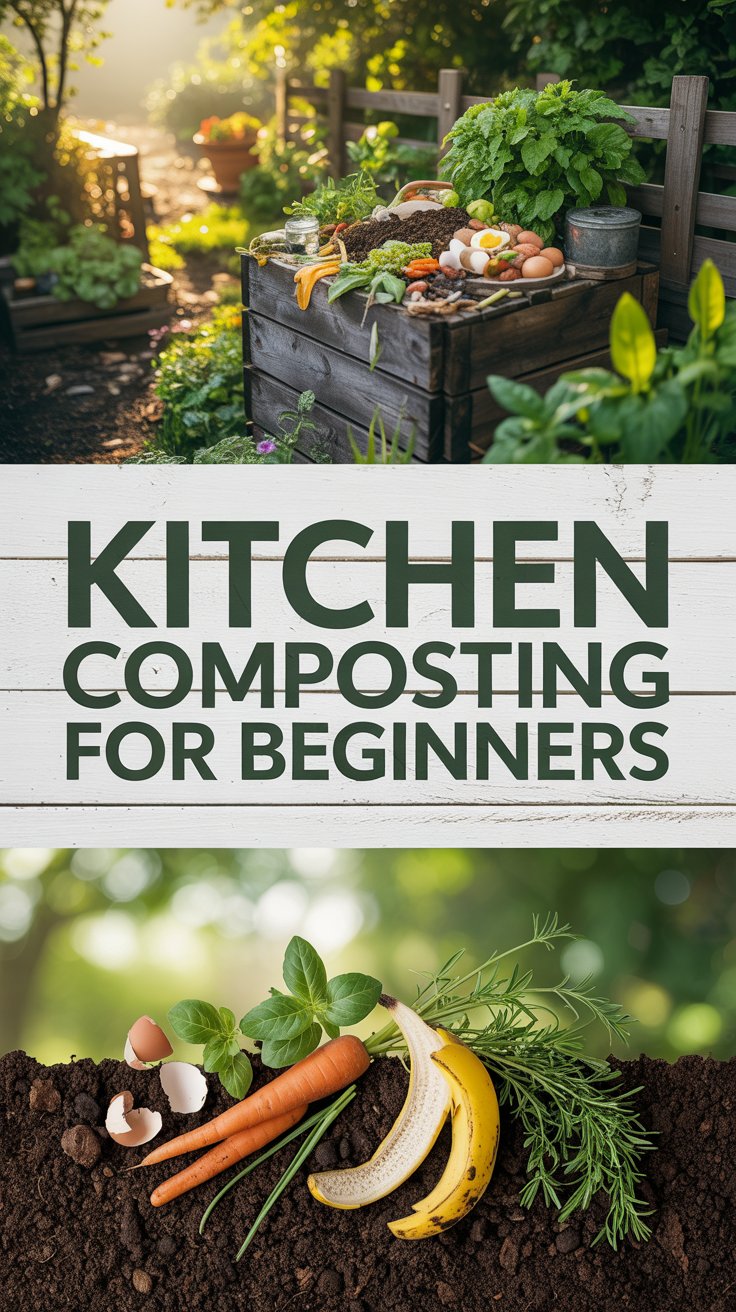
Banana Peel Fertilizer for Blooming and Fruiting Plants
Banana peels are potassium powerhouses. Chop 4–6 peels and soak in a quart of water for 3–7 days. Strain and dilute 1:1 with water before applying.
Bury chopped peels directly around tomatoes, roses, or peppers for slow release. I’ve seen bigger harvests on my tomatoes after consistent use.
Coffee Grounds for Nitrogen-Loving Plants
Used coffee grounds provide nitrogen and improve soil texture. Dry them first to prevent mold. Sprinkle a thin layer around acid-loving plants like blueberries, azaleas, or roses. Or steep 1 cup in 4 cups water overnight for a liquid feed.
Don’t overdo it—too much can compact soil or raise acidity too high.
Eggshells for Calcium Boost
Rinse, dry, and crush eggshells into powder. This releases calcium slowly, preventing issues like blossom end rot in tomatoes. Mix a tablespoon into planting holes or top-dress around plants.
I keep a jar on the counter and crush them as I cook. It’s a game-changer for my veggie garden.
Garden Waste Recipes: Turn Weeds into Wealth
Your “weeds” can become premium plant food.
Grass Clipping Tea for Quick Nitrogen
Fill a bucket one-third with fresh (untreated) grass clippings, top with water, and steep 1–2 weeks. Stir occasionally. Dilute 1:5 or until it looks like weak tea. Great for leafy greens and lawns.
Comfrey or Nettle Tea: The Gardener’s Secret Weapon
Comfrey is rich in potassium and trace minerals; nettles add nitrogen and iron. Chop leaves, pack tightly in a bucket, cover with water, and ferment 2–3 weeks. Dilute heavily (1:10 or more) before use.
These smell strong—brew outdoors! Use on tomatoes during fruit set for excellent results.
Advanced Homemade Fertilizer Options
Compost and Compost Tea: The Foundation of Healthy Soil
Build a compost pile with “browns” (leaves, paper) and “greens” (kitchen scraps, grass) at about 25-30:1 ratio by weight. Turn regularly. Finished compost is dark, crumbly, and earthy-smelling.
For tea: Steep 1–2 cups mature compost in 5 gallons dechlorinated water for 24–48 hours (aerate if possible). Use as a soil drench or foliar spray.
Manure Tea (Use with Caution)
Use well-aged manure only. Steep in water 1–2 weeks, dilute 1:10–20. Excellent nitrogen source but avoid on edibles close to harvest.
Other Creative Options
- Fish Emulsion: Ferment fish scraps (smelly but potent).
- Epsom Salt Solution: 1 tbsp per gallon for magnesium boost, every 4–6 weeks.
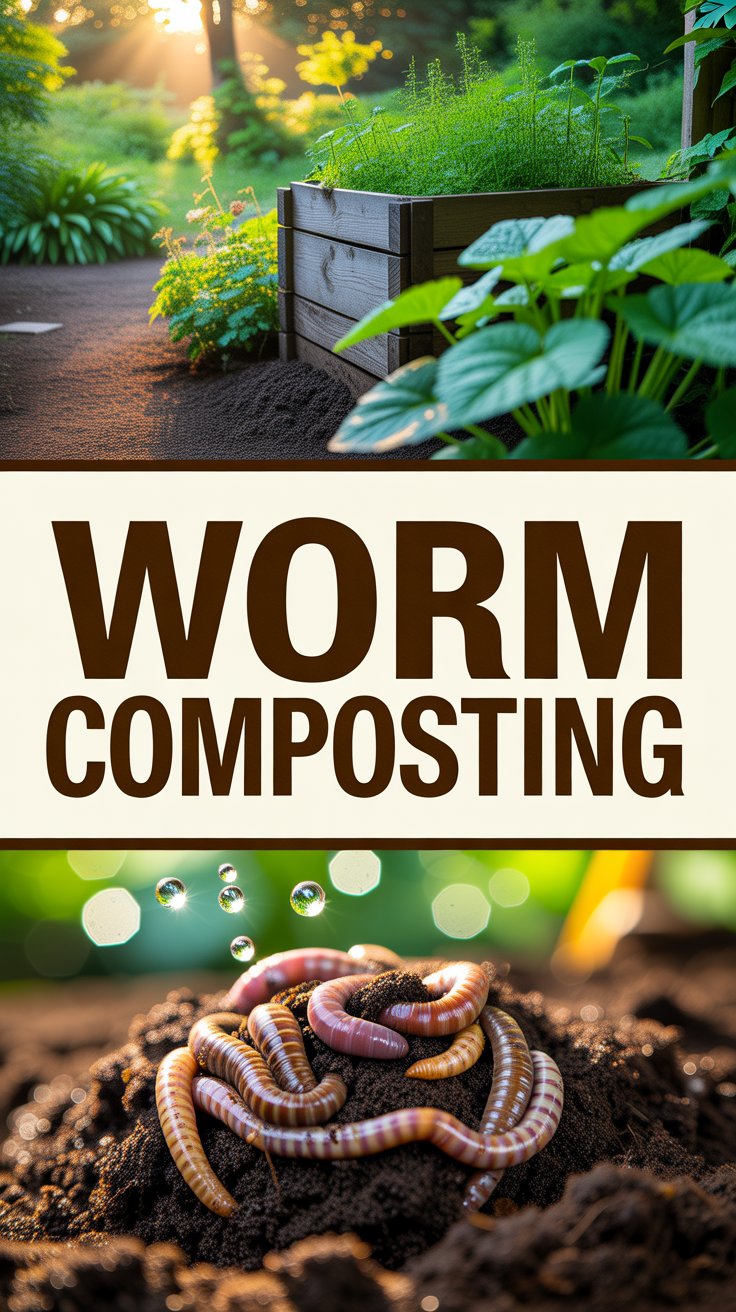
- Worm Castings: Vermicompost is gold for seedlings.
Step-by-Step: How to Apply Homemade Fertilizer for Plants
- Prepare your soil: Water plants first if soil is dry.
- Choose the right type: Liquid for quick uptake, solids for slow release.
- Apply correctly: Pour at the base, avoid leaves unless foliar feeding.
- Frequency: Every 1–4 weeks during growing season. Less in winter.
- Observe: Watch for response and adjust.
Early morning or evening is best to prevent burn.
Beginner Mistakes to Avoid with Homemade Fertilizer
- Over-fertilizing: More isn’t better. It can burn roots or cause salt buildup.
- Using fresh materials: Always age or ferment properly.
- Ignoring pH and soil test: Nutrients lock up at wrong pH.
- Applying to dry soil: Water first.
- Wrong timing: Don’t fertilize stressed or dormant plants heavily.
I’ve killed a few seedlings by being too enthusiastic. Learn from my mistakes!
Troubleshooting Common Problems
Yellow leaves? Could be nitrogen deficiency or overwatering. Brown tips? Possible potassium issue or fertilizer burn—flush soil with plain water.
Foul-smelling brew? It’s anaerobic—discard and aerate next time.
Stunted growth after feeding? Dilute more and check roots.
Plants not responding? Soil temperature matters—microbes slow down in cold soil.
Real-World Tips from My Garden
In my own backyard, I rotate banana peel tea for fruiting plants and nettle tea for greens. Combining with mulch keeps moisture in and feeds soil life steadily.
Houseplants love diluted compost tea monthly. Container plants need more frequent feeding since nutrients leach faster.
Start small. One successful batch will build your confidence.
Environmental Benefits of Homemade Fertilizer
By making your own, you reduce reliance on mined or synthetic products, cut waste, and support local ecosystems. It’s a small step with big impact.
FAQ: Homemade Fertilizer for Plants
How often should I use homemade fertilizer for plants? Every 1–2 weeks for liquid teas during active growth. Solids like compost every 4–6 weeks or as a top-dressing. Always observe your plants.
Can homemade fertilizer burn my plants? Yes, if too concentrated or applied to dry soil. Always dilute liquids properly and test on one plant first.
Is homemade fertilizer safe for edible plants and houseplants? Absolutely, when made from clean materials. Avoid fresh manure on edibles near harvest. Great for both veggies and indoor plants.
What are the best homemade fertilizers for tomatoes? Banana peel and comfrey teas for potassium, eggshells for calcium, and balanced compost. Rotate for best results.
How long does homemade fertilizer last? Liquid teas: Use within a few days to a week. Dry amendments like eggshell powder or compost can store for months in a cool, dry place.
Can I use homemade fertilizer in winter? Sparingly for houseplants or overwintering plants. Most outdoor gardens rest.
Final Thoughts: Transform Your Garden with Homemade Fertilizer
There’s something deeply rewarding about turning scraps into lush growth. Your plants will become more resilient, your soil healthier, and your gardening more sustainable.
Start with one or two recipes this week—maybe banana peels or compost tea. Watch the magic happen. Share your results in the comments or tag a friend who’s trying to green their thumb.
Happy gardening! Your thriving plants are waiting.