
Imagine stepping outside (or into your kitchen) and plucking fresh, fragrant mint leaves whenever you want them—for a refreshing mojito, soothing tea, or to brighten up a salad. Sounds amazing, right? But if you’re like many beginners, you’ve heard mint is “impossible to kill”… yet your first attempt ended with leggy stems, yellow leaves, or a plant that mysteriously vanished.
The good news? Growing mint successfully is simpler than you think once you understand its quirky personality. This vigorous, aromatic perennial is one of the most rewarding herbs for home gardeners. In this guide, I’ll walk you through everything—from choosing the right spot to harvesting like a pro—so you can enjoy endless fresh mint without the common headaches.
Quick Answer: How to Grow Mint Successfully
- Best method: Start with cuttings or nursery plants in containers (highly recommended to control spread).
- Light: 4–6+ hours of sun or partial shade.
- Soil: Moist, well-draining, rich in organic matter.
- Water: Keep soil consistently moist but not soggy—water when the top inch feels dry.
- Key tip: Contain it! Mint spreads aggressively via underground runners.
- Time to harvest: Leaves ready in weeks; full plants in 60–90 days.
Now, let’s dive deeper so you can grow lush, flavorful mint at home.
Why Mint Is the Perfect Herb for Beginners
Mint (Mentha species) is a hardy perennial that belongs to the Lamiaceae family, along with basil and rosemary. Varieties like spearmint, peppermint, chocolate mint, and apple mint offer different flavors and scents.
It’s fast-growing, forgiving for new gardeners, and incredibly versatile in the kitchen. Plus, its flowers attract pollinators like bees and butterflies.
But here’s the real talk from someone who’s grown it for years: mint has a wild side. It loves to roam and can quickly overtake a garden bed if you’re not careful. That’s why containers are often the smartest choice.
Choosing the Right Mint Variety
Not all mints are created equal. Here are popular options:
- Spearmint: Classic, mild flavor—great for cooking and teas.
- Peppermint: Stronger, cooling menthol taste—ideal for desserts and drinks.
- Chocolate mint: Subtle cocoa notes—fun for garnishes.
- Apple mint or pineapple mint: Fruity undertones, attractive variegated leaves.
Start with spearmint or peppermint if you’re new—they’re the most reliable. Buy a small plant from a nursery rather than seeds, as mint hybrids don’t always grow true from seed and cuttings root incredibly fast.
Where to Plant Mint: Location Matters
Mint thrives in full sun to partial shade. In hotter climates, afternoon shade prevents scorching. Aim for morning sun and protection from intense midday heat.
Pro tip: Place it near your kitchen door for easy access. Just avoid planting it directly in garden beds unless you’re okay with it becoming the neighborhood bully.
Soil needs: Rich, loamy, slightly acidic to neutral (pH 6.0–7.0), and well-draining. Amend heavy clay with compost to improve drainage and moisture retention.
How to Plant Mint Step by Step
- Choose a container (recommended): Use a pot at least 12–18 inches wide and deep with drainage holes. Terra cotta or plastic both work well.
- Prepare the soil: Fill with high-quality potting mix blended with compost. Avoid garden soil, which can compact.
- Plant: Set the mint so the root ball is level with the soil surface. Space multiple plants 12–18 inches apart if in one large container.
- Water thoroughly: Settle the soil and keep it moist as it establishes.
Plant outdoors after the last frost in spring. In mild climates, you can plant in fall too.
If growing from cuttings:
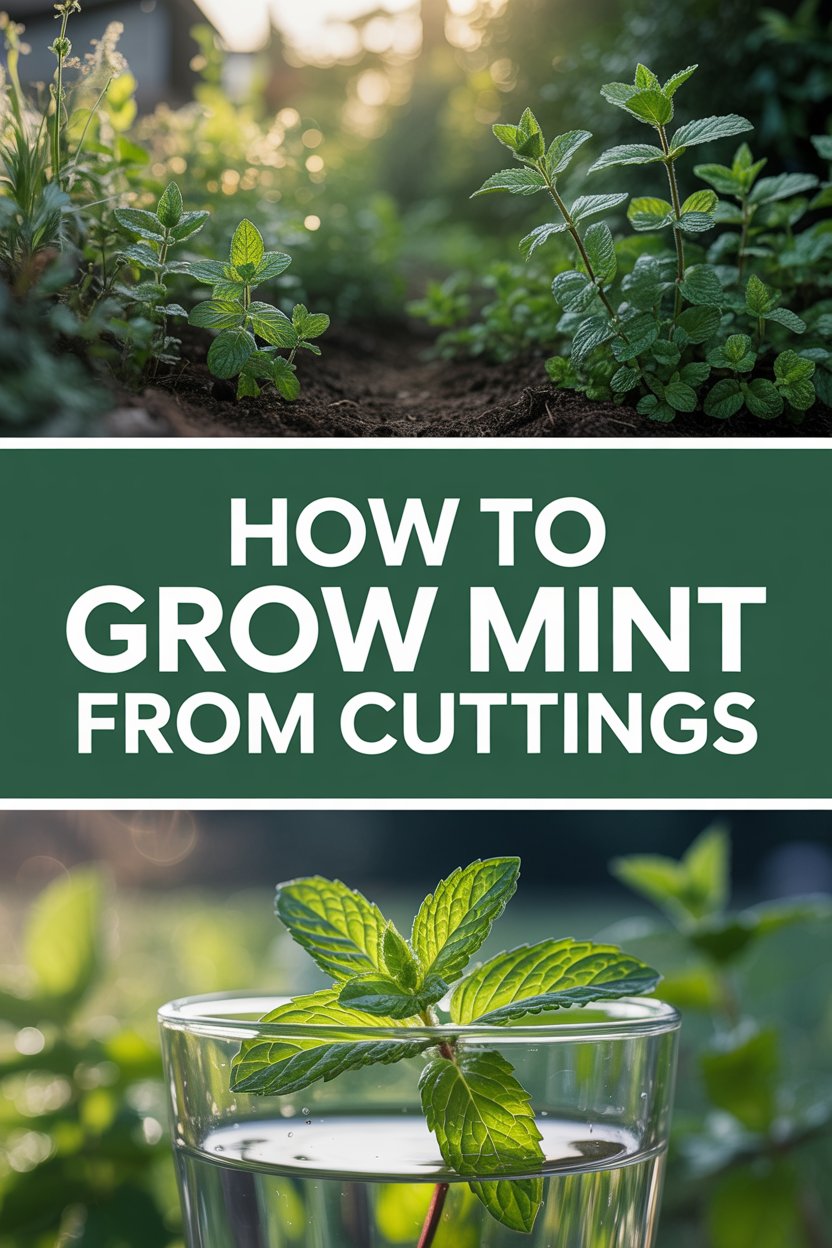
- Take a 4–6 inch healthy stem.
- Remove lower leaves.
- Place in water or moist soil.
- Roots appear in 1–2 weeks. Transplant once established.
Caring for Your Mint Plant
Mint is low-maintenance but rewards consistent care.
Watering: Keep soil lightly moist. Check the top inch with your finger—water when it feels dry. Morning watering is best. Overwatering leads to root rot; underwatering causes wilting.
Fertilizing: Light feeder. Apply a balanced, slow-release fertilizer in spring or use compost tea monthly during growing season. Too much nitrogen reduces flavor and encourages disease.
Pruning and pinching: Regularly pinch tops to encourage bushy growth. Harvest by cutting stems just above a leaf pair. This keeps the plant compact and productive.
Mulching: A thin layer of organic mulch helps retain moisture and suppress weeds.
Growing Mint Indoors: Windowsill Success
No yard? No problem. Mint grows beautifully on a sunny windowsill or under grow lights.
- Provide 4–6 hours of bright light (south-facing window ideal).
- Use well-draining pots.
- Maintain room temperature 65–75°F.
- Increase humidity with a pebble tray if air is dry.
Rotate the pot weekly for even growth. Indoor mint may need more frequent watering checks.
Common Beginner Mistakes to Avoid
Even experienced gardeners slip up with mint. Here are pitfalls I’ve seen (and made myself):
- Planting in the ground without barriers → It will spread everywhere.
- Using tiny pots → Roots get cramped, leading to poor growth.
- Inconsistent watering → Fluctuations stress the plant.
- Too much shade → Results in leggy, flavorless growth.
- Ignoring runners → They escape pots and invade other areas.
Troubleshooting Common Mint Problems
Yellow leaves: Often overwatering or poor drainage. Check roots for rot (brown, mushy = bad). Improve drainage and let soil dry slightly between waterings.
Leggy growth: Not enough light. Move to brighter spot and prune back.
Mint rust (orange pustules): Fungal issue. Remove affected leaves, improve airflow, avoid wetting foliage. Severe cases may need cutting back hard.
Wilting: Could be underwatering or root-bound. Check soil moisture and repot if needed.
Pests (aphids, spider mites): Hose off with water or use insecticidal soap. Healthy plants resist better.
Slow growth: Root-bound, nutrient deficiency, or extreme heat. Divide and refresh soil annually.
Real-world note: In humid summers, rust can pop up fast. I now space plants better and water at the base—big difference.
How to Harvest Mint the Right Way
Harvest once the plant has several sets of leaves. Pick individual leaves or cut stems in the morning for best flavor.
- Never remove more than 1/3 of the plant at once.
- Regular harvesting promotes new, tender growth.
- Use fresh, dry, or freeze leaves for later.
Pinch flower buds if you want to focus energy on leaves, though flowers are pretty and pollinator-friendly.
Creative Ways to Use Your Homegrown Mint
Beyond tea and mojitos, try:
- Fresh in salads or yogurt.
- Mint pesto or chutney.
- Garnish for desserts.
- Homemade mint jelly.
- Infused water or cocktails.
Dry bunches for winter teas. The scent alone makes it worth growing.
Companion Planting and Garden Benefits
Mint deters some pests like cabbage moths and ants. Plant near tomatoes, peas, or cabbages (but in its own container). Its flowers support beneficial insects.
Overwintering Mint
In cold climates (zones 3–8), mint dies back but returns in spring. Mulch heavily or bring pots indoors. Cut back in fall and keep slightly moist.
FAQ: How to Grow Mint
How fast does mint grow? Very quickly! You can harvest leaves within weeks of planting, and it fills out in a couple of months under good conditions.
Can I grow mint from supermarket plants? Yes! Divide the root ball or take stem cuttings. Supermarket mint often needs repotting into larger containers with fresh soil right away.
Why is my mint dying? Common culprits: overwatering/root rot, poor drainage, or insufficient light. Check soil and roots first.
Does mint need full sun? It prefers full sun to partial shade. Too much intense sun without water can scorch leaves; too little light makes it leggy.
How do I stop mint from spreading? Grow in containers. Sink pots into the ground with the rim above soil level, or use root barriers. Regularly check for escaping runners.
Is mint toxic to pets? Some varieties can be mildly toxic to cats and dogs if ingested in large amounts. Keep out of reach if you have curious pets.
Can mint grow year-round indoors? Absolutely. With good light and consistent care, you can enjoy fresh mint even in winter.
Final Thoughts: Embrace the Mint Life
There’s something deeply satisfying about snipping your own fresh mint for a summer drink or a calming evening tea. Once you master the basics—good light, moist soil, and containment—you’ll wonder why you ever bought it at the store.
Mint isn’t just a plant; it’s a gateway to more confident gardening. Start small, learn from any hiccups, and soon you’ll have more than enough to share with friends.
Ready to get your hands dirty? Grab a plant or some cuttings today. Your future self (and taste buds) will thank you. Drop a comment below with your favorite mint variety or recipe—I’d love to hear what you’re growing!
Happy gardening!