Imagine stepping into your backyard and pulling up vibrant tomatoes, crisp lettuce, and plump zucchini that taste like they came straight from a farm stand. But instead of relying on synthetic bags from the store, everything thrives because of the rich, living soil beneath them. If your garden feels stuck or your plants look a bit tired, you’re not alone. Many beginners struggle with poor yields, yellowing leaves, or disappointing harvests.
The secret? Switching to natural fertilizer for vegetable garden success. It feeds the soil, not just the plants, leading to stronger roots, better resistance to pests, and more flavorful produce. And the best part? You can start with things you already have at home or find locally—no fancy equipment needed.
Quick Answer: What’s the Best Natural Fertilizer for a Vegetable Garden?
Compost tops the list as the absolute best all-around natural fertilizer. It improves soil structure, adds balanced nutrients slowly, and boosts beneficial microbes. Pair it with compost tea for quick boosts or specific amendments like bone meal for tomatoes. Most gardens thrive with a mix of homemade options tailored to what you grow.
Ready to transform your garden? Let’s dive in.
Why Natural Fertilizers Beat Synthetic Ones for Vegetables
Synthetic fertilizers give plants a quick hit of nutrients, but they often ignore the soil’s long-term health. Over time, they can harm beneficial microbes, compact soil, and even lead to nutrient runoff.
Natural fertilizers work with nature. They release nutrients slowly as microbes break them down, building rich humus that holds moisture and fights disease. Your vegetables get what they need when they need it, resulting in deeper roots and better drought tolerance.
I’ve seen it firsthand: gardens fed naturally produce veggies with superior flavor and stay productive longer into the season. Plus, it’s gentler on the environment and your wallet.
Understanding Plant Nutrients: The N-P-K Basics Every Beginner Should Know
Plants need three main nutrients:
- Nitrogen (N): For leafy green growth. Think spinach and lettuce.
- Phosphorus (P): For strong roots, flowers, and fruits. Perfect for tomatoes and peppers.
- Potassium (K): For overall plant health, disease resistance, and fruit quality.
Natural sources provide these plus trace minerals like calcium, magnesium, and iron that synthetics often miss.
Test your soil first if possible. Many backyard soils are low in organic matter, so natural amendments make a huge difference.
Top Natural Fertilizers for Your Vegetable Garden
Here are proven winners you can use right away.
1. Compost: The Foundation of Every Great Garden
Finished compost is black gold. Made from kitchen scraps, yard waste, and leaves, it delivers balanced nutrients and improves soil texture dramatically.
How to use it: Spread 2-3 inches over beds in spring and fall. Mix a handful into planting holes for transplants.
Pro tip: Turn your pile regularly and keep it moist like a wrung-out sponge for faster results.
2. Well-Composted Manure
Cow, horse, chicken, or rabbit manure adds nitrogen and organic matter. Always compost it first—fresh manure can burn plants and carry pathogens.
Rabbit and llama manure can sometimes go on more directly, but composting is safest for veggies.
3. Worm Castings (Vermicompost)
These are like supercharged compost. Worm castings improve soil aeration and provide gentle nutrients plus beneficial microbes. Great for seedlings and picky plants.
4. Kitchen Scrap Boosters
- Banana peels: Bury chopped peels near tomatoes or peppers for potassium.
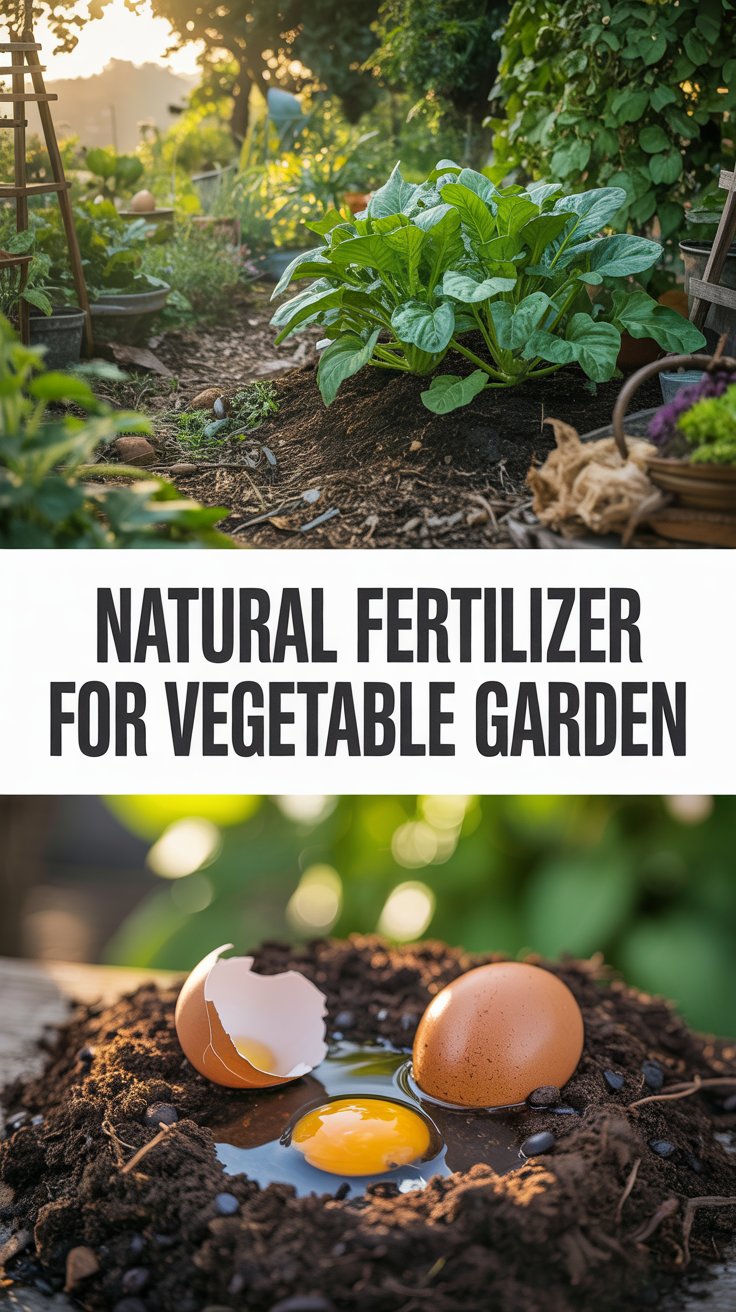
- Eggshells: Crush and add for calcium to prevent blossom end rot.
- Coffee grounds: A light sprinkle for nitrogen and slight acidity (great for carrots or blueberries if interplanted).
5. Alfalfa Meal, Bone Meal, and Kelp
These bagged options are still natural. Alfalfa for nitrogen and growth stimulants, bone meal for phosphorus, and kelp for trace minerals and stress relief.
How to Make Compost at Home: Step-by-Step for Beginners
- Choose a spot or bin in partial shade.
- Layer “browns” (leaves, cardboard, straw) and “greens” (veggie scraps, grass clippings, coffee grounds).
- Keep the ratio about 2-3 parts brown to 1 part green.
- Moisten and turn every week or two.
- In 2-6 months, you’ll have dark, crumbly compost ready to use.
Don’t add meat, dairy, or diseased plants.
Making Liquid Gold: Compost Tea and Other Homemade Fertilizers
Compost tea delivers nutrients and microbes fast through watering or foliar spray.
Simple non-aerated recipe:
- Fill a 5-gallon bucket halfway with water (let tap water sit 24 hours to off-gas chlorine).
- Add 1-2 cups mature compost (or worm castings).
- Stir daily for 3-7 days.
- Strain and dilute 1:5 or more before using.
Other easy liquids: Banana peel tea, comfrey tea (high potassium), or weed tea from nutrient-rich weeds like nettles or dandelions.
Step-by-Step Guide: Feeding Your Vegetable Garden Naturally Through the Season
Spring (Planting Time): Incorporate 2-3 inches of compost. Add bone meal for root crops and transplants.
Early Growth: Side-dress leafy greens with compost or alfalfa meal for nitrogen.
Flowering and Fruiting: Switch to potassium-rich options like banana peels, wood ash (sparingly), or kelp. Use compost tea every 1-2 weeks.
Throughout: Mulch with grass clippings or leaves to retain moisture and add slow nutrients.
Observe your plants. Yellow leaves might mean more nitrogen; purple tints could signal phosphorus needs.
Practical Tips from the Garden
- Match fertilizers to crops: Heavy feeders like tomatoes love compost + extras. Root veggies prefer balanced, lighter applications.
- Water deeply after applying dry amendments so nutrients reach roots.
- Use mulch generously—it conserves water and breaks down into more organic matter.
- Rotate crops yearly to prevent nutrient depletion.
I like tucking eggshells and banana peels right into planting holes for tomatoes—it’s simple and effective.
Common Beginner Mistakes (and How to Avoid Them)
- Using fresh manure: It burns roots and introduces pathogens. Compost it for at least 3-6 months.
- Over-applying: More isn’t better. Excess nitrogen leads to lots of leaves but few fruits.
- Ignoring soil pH: Test and adjust with lime (for acidic) or sulfur if needed.
- Expecting instant results: Natural options work gradually—be patient.
- Not diversifying: Relying on one source misses balanced nutrition. Mix it up.
Troubleshooting Common Problems
Yellow leaves? Nitrogen deficiency—add compost tea or alfalfa.
Blossom end rot on tomatoes? Calcium issue—crush eggshells and water consistently.
Slow growth? Soil might need more organic matter. Top-dress with compost.
Pests or disease? Healthy soil-grown plants resist better, but neem or companion planting helps.
Poor drainage? Raised beds and compost fix many issues.
Real-World Insights: What I’ve Learned Over the Years
In my own garden, switching fully to natural methods took a season to show full benefits, but the soil felt alive and crumbly by year two. Earthworms appeared everywhere, and harvests improved noticeably. One year, a compost-heavy bed produced tomatoes that stayed sweet even in hot weather.
Experiment small. Start with compost and add one or two homemade options. You’ll quickly see what your garden loves.
Natural Fertilizer for Vegetable Garden: Seasonal Calendar
- Fall: Build soil with compost and cover crops.
- Winter: Plan and make indoor worm bins if cold.
- Spring: Amend beds and start teas.
- Summer: Liquid feeds during peak growth.
- Late Season: Mulch heavily for next year.
FAQ: Your Top Questions About Natural Fertilizer for Vegetable Garden
What is the best natural fertilizer for tomatoes? Compost plus bone meal or eggshells for calcium, and compost tea for ongoing support. Avoid high-nitrogen late in the season.
Can I use kitchen scraps directly? Some yes (banana peels, eggshells), but most work best composted or as tea to avoid attracting pests or burning plants.
How often should I fertilize with natural options? Every 2-4 weeks with liquids during growth. Dry amendments 1-2 times per season. Watch your plants.
Is manure safe for vegetables? Yes, if fully composted. Avoid fresh manure near edibles due to bacteria risks.
Will natural fertilizers fix poor soil quickly? They build soil over time. Combine with mulch and minimal tilling for faster improvements. Results show in one season, but full transformation takes 2-3 years.
Do coffee grounds help vegetables? In moderation, yes—for nitrogen and slight acidity. Mix with other materials.
Final Thoughts: Embrace the Natural Way and Watch Your Garden Thrive
There’s something deeply satisfying about growing food with materials from your own kitchen and yard. Your vegetables taste better, the soil stays healthy for years, and you garden with peace of mind knowing it’s chemical-free.
Start small this season. Build a compost pile, save those banana peels, and brew your first batch of tea. Before long, you’ll have a vibrant, productive vegetable garden that rewards you with every harvest.
What are you waiting for? Grab a shovel, get your hands dirty, and enjoy the magic of natural gardening. Your future self—and your taste buds—will thank you. Happy growing!