
Imagine stepping into your garden on a warm summer morning, only to find your cucumber vines looking sad—yellow leaves, tiny fruits, or worse, covered in beetles. If you’ve ever struggled with low yields or constant pest battles, you’re not alone. Many beginner gardeners plant cucumbers by themselves and wonder why results fall short.
The secret? Cucumber companion plants. Pairing the right neighbors with your cukes can transform your patch into a thriving, low-maintenance oasis. These strategic plant partners repel pests, improve soil, attract pollinators, and even boost flavor and growth. In this guide, I’ll share everything I’ve learned from years of trial and error so you can enjoy bumper crops of crisp, delicious cucumbers.
Quick Answer: What Are the Best Cucumber Companion Plants?
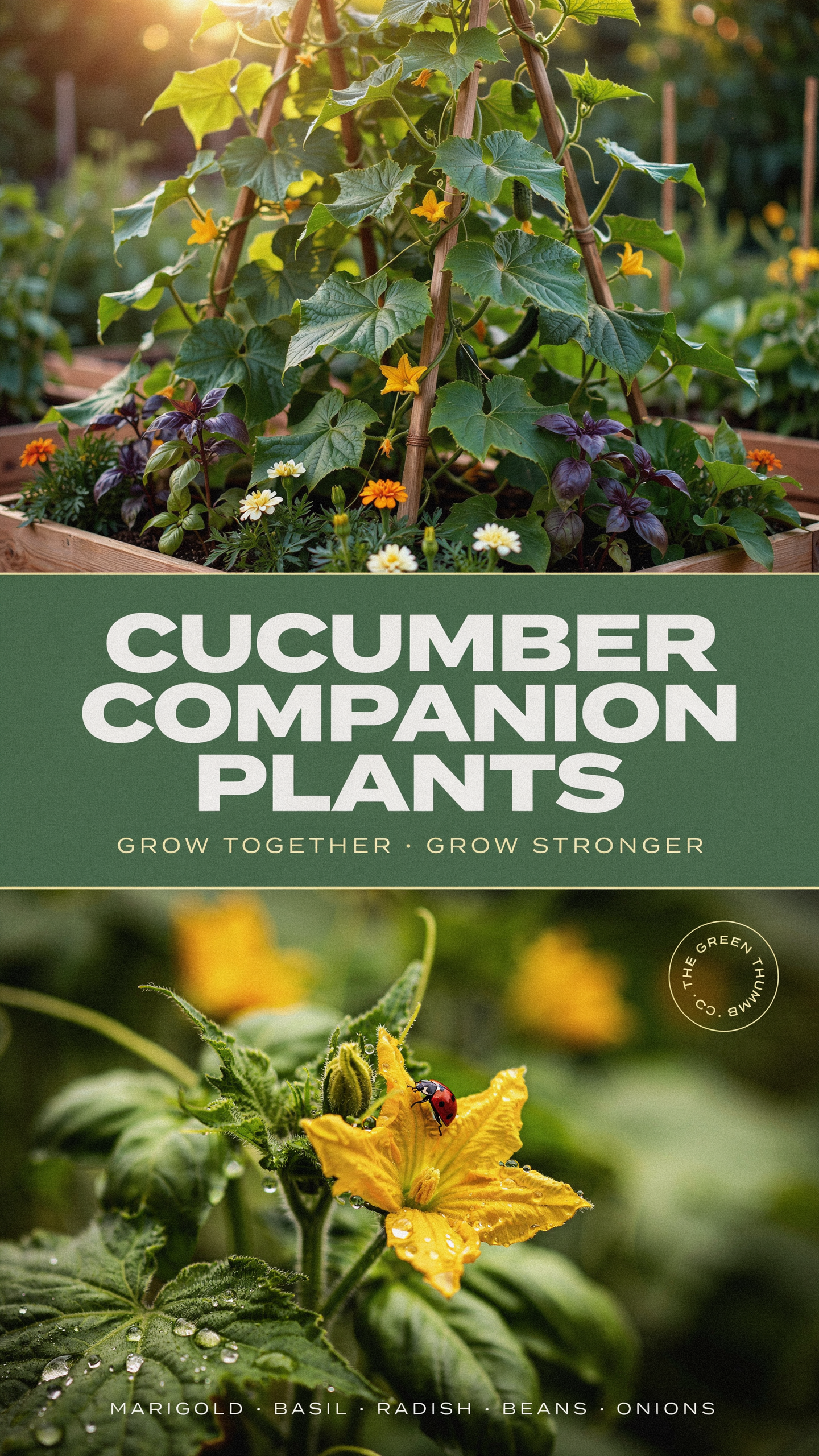
The top cucumber companion plants include:
- Nasturtiums — Trap crop for aphids
- Dill — Attracts beneficial insects and pollinators
- Marigolds — Deters beetles and nematodes
- Beans and peas — Fixes nitrogen in the soil
- Radishes — Quick-growing repellers of cucumber beetles
- Borage, sunflowers, and corn — Support and pollination boosts
Avoid planting cucumbers near potatoes, sage, or other cucurbits like melons and squash.
Now, let’s dive deeper into why companion planting works and exactly how to do it.
Why Companion Planting Works Wonders for Cucumbers
Cucumbers are heavy feeders that love rich, moist soil and full sun. They’re also magnets for pests like cucumber beetles, aphids, and squash bugs. Companion planting mimics nature’s balance. Some plants act as “bodyguards,” others enrich the soil, and some provide physical support.
I remember my first garden where I planted cucumbers alone. The vines sprawled everywhere, pests had a field day, and I harvested maybe a dozen fruits. Once I added companions, everything changed—more flowers, fewer problems, and baskets full of cucumbers.
Top Cucumber Companion Plants and Their Benefits
Nasturtiums: The Ultimate Pest Trap
Nasturtiums rank as one of the absolute best cucumber companion plants. These cheerful, edible flowers act as a sacrificial trap crop. Aphids flock to them instead of your cucumbers.
Plant nasturtiums around the edges of your cucumber bed or in hanging baskets nearby. Their trailing habit looks beautiful and keeps pests distracted. Bonus: The flowers and leaves are peppery and delicious in salads.
Pro Tip: Sow nasturtium seeds directly after the last frost. They germinate quickly and bloom all season.
Dill: A Pollinator Magnet and Flavor Friend
Dill and cucumbers are a match made in pickle heaven. Young dill attracts predatory wasps that eat aphids and other pests. It also draws in bees for better pollination, leading to more fruits.
Let a few dill plants go to flower for maximum benefit. Just harvest some leaves for cooking before it bolts. Many gardeners swear cucumbers grown near dill taste better—perfect for fresh eating or preserving.
Marigolds: Natural Pest Deterrents
French marigolds release compounds that repel nematodes, beetles, and whiteflies. Their bright orange and yellow blooms add cheer while working hard underground.
Interplant marigolds every few feet among your cucumber rows. They’re easy to start from seed and bloom reliably.
Beans and Peas: Soil Builders
Legumes like bush beans and peas fix nitrogen, giving your hungry cucumbers a natural fertilizer boost. They don’t compete much for space and help maintain soil fertility season after season.
Avoid pole beans if your cucumbers are vining heavily—they can tangle. Stick with bush varieties for easier management.
Radishes: Fast and Effective Beetles Be Gone
Radishes grow so quickly they don’t crowd cucumbers. They help deter cucumber beetles and loosen soil for better root growth. Harvest them young and plant successive crops.
Borage: The Starflower Supporter
Borage attracts bees like crazy and is said to improve cucumber flavor and vigor. Its starry blue flowers are edible and beautiful. Plant it nearby but give it space—it can spread.
Sunflowers and Corn: Natural Trellises
Tall sunflowers or corn stalks provide vertical support for climbing cucumbers. They also create a microclimate that reduces wind stress. Sunflowers bring in even more pollinators.
Choose sturdy varieties and plant cucumbers on the sunny side.
Other Great Options
- Alliums (chives, onions): Repel pests with their scent.
- Oregano and thyme: Mild pest control without overwhelming cucumbers.
- Lettuce or beets: Low-growing living mulch that shades soil and retains moisture.
Plants to Avoid Near Cucumbers (and Why)
Not every plant makes a good neighbor. Here are the main ones to skip:
- Potatoes: Compete heavily and can spread diseases.
- Sage and strong aromatic herbs (like rosemary): These can stunt cucumber growth due to different water needs and chemical interactions.
- Other cucurbits (melons, squash, pumpkins): Share pests and diseases like powdery mildew, increasing risk.
- Aromatic herbs in excess: Too much can alter flavor or compete.
I once planted sage too close—my cucumbers stayed small and struggled. Lesson learned: Space and compatibility matter.
How to Plan Your Cucumber Companion Garden Layout
Start with good basics: Full sun, well-drained soil rich in compost, and consistent watering.
Step-by-Step Planting Guide:
- Prepare beds or containers with plenty of organic matter.
- Plant cucumbers in hills or rows, spacing according to variety (check seed packet).
- Add companions at the same time or shortly after: Nasturtiums and marigolds on borders, dill and radishes interspersed, beans nearby.
- Use trellises or let sunflowers/corn grow first for support.
- Mulch heavily to retain moisture and suppress weeds.
For raised beds, try a “three sisters” inspired setup: Corn for structure, beans for nitrogen, cucumbers at the base (with flowers for protection).
Beginner Mistake to Avoid: Planting everything too densely. Cucumbers need airflow to prevent fungal issues. Give them room to breathe.
Seasonal Care Tips with Companions
Water consistently—cucumbers are thirsty, and good companions help keep soil even. Mulch around the base.
Monitor for pests weekly. Companions reduce pressure, but hand-pick early invaders. A strong spray of water or neem oil helps as backup.
Fertilize lightly with compost tea. Nitrogen-fixers like beans reduce the need for extra feeding.
Harvest cucumbers regularly to encourage more production. Companions keep plants healthier longer into the season.
Troubleshooting Common Companion Planting Issues
Problem: Yellow leaves on cucumbers. Solution: Could be nitrogen deficiency or overwatering. Check soil and ensure beans/peas are doing their job. Add compost.
Problem: Aphids everywhere. Solution: Nasturtiums should draw them away. Introduce ladybugs or spray with soapy water.
Problem: Poor pollination, few fruits. Solution: Add more dill, borage, or marigolds to attract bees. Hand-pollinate if needed by transferring pollen with a brush.
Problem: Vines overtaking companions. Solution: Prune cucumbers lightly or provide vertical support early. Choose bush varieties for smaller spaces.
Real talk: Gardening is forgiving. Even if one year doesn’t go perfectly, you’ll learn and improve.
Container and Small-Space Cucumber Companion Ideas
No big yard? No problem. Grow cucumbers in large pots with:
- A trellis
- Nasturtiums cascading over the edge
- Dwarf marigolds or radishes at the base
- A small dill plant nearby
This setup looks charming on a patio and produces surprisingly well.
Real-World Insights from the Garden
Over the years, I’ve noticed cucumbers near nasturtiums and dill need far less intervention. One season, a bad beetle year hit neighbors hard, but my companion-planted patch stayed mostly green. The flowers brought in so many beneficial insects it felt like nature was on my team.
Kids love picking nasturtium flowers, and the whole setup makes gardening more fun and educational.
Frequently Asked Questions About Cucumber Companion Plants
Can I plant tomatoes with cucumbers? Yes, they share similar needs for sun and water. Just watch for shared pests and ensure good airflow.
What herbs grow well with cucumbers? Dill, borage, oregano, and chives are excellent. Avoid sage and rosemary close by.
Do companion plants really increase cucumber yields? Absolutely. Better pollination, fewer pests, and improved soil often lead to noticeably higher harvests.
Can I use companion planting in containers? Yes! Choose compact varieties and pair thoughtfully. Nasturtiums and marigolds work especially well.
When should I plant cucumber companions? At the same time as cucumbers or slightly earlier for taller plants like sunflowers and corn.
Will companions affect cucumber taste? Some, like dill and borage, are reported to enhance flavor subtly. Most just help plants stay healthier.
Final Thoughts: Grow Smarter, Not Harder with Cucumber Companion Plants
There’s something deeply satisfying about a garden that works with you instead of against you. By choosing the right cucumber companion plants, you’ll spend less time fighting problems and more time enjoying fresh harvests, beautiful blooms, and the joy of a balanced ecosystem.
Start small this season—maybe just add some nasturtiums and dill. You’ll quickly see the difference and want to expand. Your future self (and your dinner table) will thank you.
Ready to try companion planting? Grab some seeds, get your hands dirty, and watch your garden thrive. Share your successes in the comments—I’d love to hear what works in your patch!
Happy gardening!