
Picture this: It’s mid-summer, your zucchini plants are exploding with bright yellow flowers, and you’re picking fresh squash every single day without battling hordes of squash bugs or watching vines wilt mysteriously. Sounds like a dream garden, right?
If you’re a beginner gardener who’s tired of zucchini struggles—powdery mildew, pests taking over, or plants that just won’t produce—zucchini companion planting might be the simple, natural fix you’ve been looking for. By pairing your zucchini with the right neighbors, you can create a thriving, balanced garden bed that works with nature instead of fighting it.
I’ve been growing zucchini for years in my own backyard, and companion planting has completely changed the game. Let’s dive in so you can enjoy the same success.
Quick Answer: What Should You Plant with Zucchini?
Best companions for zucchini include beans (for nitrogen), borage and nasturtiums (for pollinators and pest control), marigolds, basil, dill, radishes, and garlic. These help repel pests, attract beneficial insects, improve soil, and boost yields.
Avoid planting zucchini near potatoes, fennel, other cucurbits like cucumbers or pumpkins, and sometimes brassicas like cabbage. These compete for nutrients, spread diseases, or attract the same pests.
Now, let’s explore why this works and how to do it right.
What Is Companion Planting, Anyway?
Companion planting is an age-old gardening technique where you grow certain plants together because they help each other out. Think of it as creating a supportive plant community rather than isolated rows.
Some plants repel pests with their scents, others fix nitrogen in the soil, and some attract bees and ladybugs that keep your garden healthy. For zucchini—a heavy feeder that loves rich soil and needs lots of pollinators—this approach is pure gold.
It’s not magic, but it’s incredibly effective when done thoughtfully. And the best part? It reduces your need for pesticides and makes your garden more resilient.
Why Zucchini Companion Planting Makes Such a Big Difference
Zucchini plants are vigorous but vulnerable. They sprawl across the ground, produce tons of flowers that need pollination, and attract pests like squash bugs, cucumber beetles, and vine borers.
Companion planting addresses these issues naturally:
- Pest control: Certain flowers and herbs confuse or repel bad bugs.
- Better pollination: Attract more bees for higher fruit set.
- Soil health: Legumes like beans add nitrogen that zucchini craves.
- Space efficiency: Vertical growers or quick-harvest plants fill gaps without crowding.
- Weed suppression and moisture retention: Ground covers act like living mulch.
In my garden, pairing zucchini with the right plants has cut pest problems in half and increased harvests noticeably. It’s especially helpful for beginners who don’t want to spray chemicals.
The Best Companion Plants for Zucchini
Here are the top performers that I’ve seen work wonderfully time after time.
Beans: The Nitrogen Boosters
Bush beans or pole beans are fantastic neighbors. They fix nitrogen in the soil, feeding your hungry zucchini naturally. Beans also help deter some beetles.
Plant them around the base of zucchini hills. In the classic “Three Sisters” method, combine with corn for even better results—corn provides structure for beans to climb, while zucchini shades the ground.
Borage: The Pollinator Magnet
Borage is one of my absolute favorites. Its starry blue flowers draw bees like crazy, ensuring your zucchini gets pollinated. It also repels some pests and improves overall garden health.
Borage self-seeds easily, so one planting can last years. Just give it room—it grows bushy.
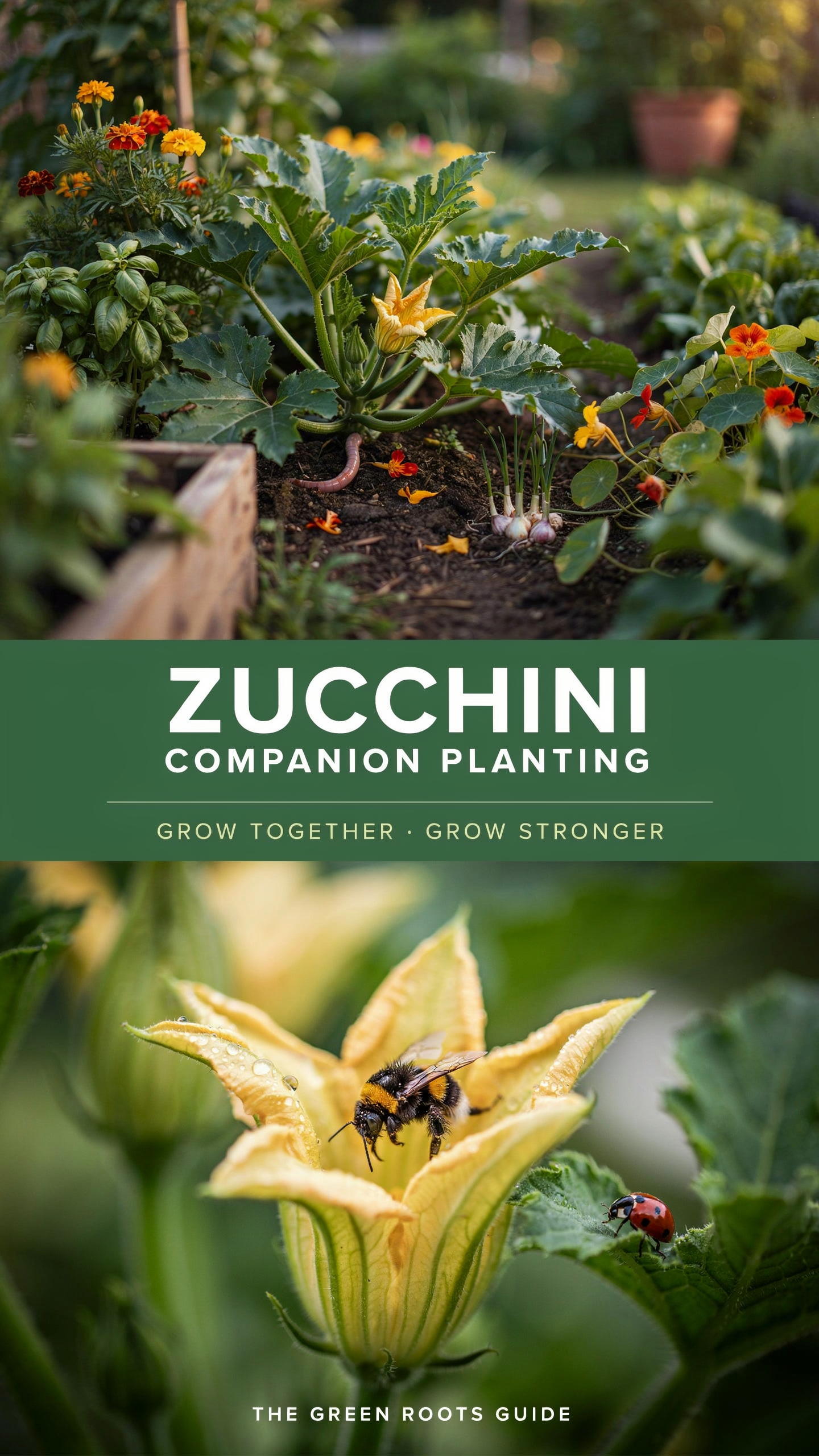
Nasturtiums and Marigolds: Beautiful Pest Protectors
Nasturtiums act as trap crops, luring aphids and squash bugs away from your zucchini. Their edible flowers are a bonus! Marigolds release compounds that repel nematodes and other soil pests.
Plant these around the edges of your zucchini patch for a colorful border that works hard.
Herbs Like Basil, Dill, and Oregano
Basil improves flavor and repels flies and mosquitoes. Dill attracts beneficial wasps that eat bad bugs. Oregano and thyme provide ground cover and strong scents that deter pests.
These are perfect for small spaces—tuck them in between plants.
Radishes and Garlic: Quick and Protective
Radishes grow fast and loosen soil. They can be harvested early, leaving space for zucchini to spread. Garlic’s strong smell keeps many insects at bay.
Corn: The Tall Partner
In the Three Sisters planting, corn gives vertical support and shade. Zucchini benefits from the microclimate.
Plants to Avoid Near Zucchini (And Why)
Not every pairing is a win. Some combinations cause more harm than good.
Potatoes: Heavy feeders that compete for nutrients and can spread blight.
Fennel: Releases chemicals that stunt growth in many plants, including zucchini. Grow it separately.
Other Cucurbits (cucumbers, pumpkins, melons): They share pests and diseases, plus their vines tangle horribly.
Brassicas (cabbage, broccoli): Sometimes they attract similar pests or compete too much. Test small and observe.
Keep these at least several feet away, ideally in different beds.
Step-by-Step: How to Set Up Your Zucchini Companion Garden
- Choose the right spot: Full sun, well-drained soil rich in compost. Zucchini needs space—give each plant 3-4 feet.
- Prepare the soil: Work in plenty of organic matter. Test pH (aim for 6.0-7.0).
- Plan your layout: Use the “Three Sisters” or interplant companions. Sketch it out first.
- Plant at the right time: Start zucchini indoors or direct sow after frost danger. Add quick companions like radishes at the same time.
- Mulch and water consistently: Companions help, but consistent moisture is key for zucchini.
- Monitor and adjust: Walk your garden daily. Note what’s thriving.
This process is beginner-friendly and gets easier every season.
Practical Tips from the Garden
- Harvest zucchini daily to keep plants productive.
- Use nasturtiums as a living mulch under sprawling vines.
- Plant borage and marigolds early—they establish before pests arrive.
- Rotate crops yearly to prevent soil-borne issues.
- In small gardens, use containers for herbs nearby.
One personal observation: In a hot summer, the shade from taller companions like corn or beans can prevent zucchini leaves from scorching.
Common Beginner Mistakes and How to Fix Them
Mistake 1: Planting everything too close. Zucchini vines spread fast—leave breathing room.
Mistake 2: Ignoring soil health. Companions work best in fertile ground. Add compost regularly.
Mistake 3: Not watching for pests early. Check undersides of leaves often.
Mistake 4: Over-relying on one technique. Combine companion planting with good watering and airflow.
Troubleshooting:
- Yellowing leaves? Could be nitrogen—add more beans next year or side-dress with compost.
- Poor fruit set? More flowers like borage for pollinators.
- Squash bugs? Hand-pick and use nasturtiums as traps. Neem oil as last resort.
Real-World Results You’ll Love
Gardeners who try zucchini companion planting often report fewer pests, bigger harvests, and healthier plants overall. One season, my borage-heavy bed had almost zero vine borers compared to a solo planting. It’s rewarding to see the ecosystem at work.
FAQ About Zucchini Companion Planting
Can you plant tomatoes with zucchini? Yes, in moderation. They don’t compete heavily and can share space if given room. Marigolds between them help even more.
What grows well with zucchini in containers? Basil, marigolds, or dwarf beans. Choose large pots and ensure good drainage.
Does companion planting really increase zucchini yield? Absolutely—better pollination and pest control often lead to more fruit.
Can I plant zucchini and cucumbers together? It’s better to separate them. They attract the same pests and diseases.
When should I plant companions for zucchini? At the same time or slightly earlier for flowers and herbs so they establish quickly.
Will zucchini companion plants affect the taste? Generally no—some herbs like basil may even enhance flavor subtly.
How far apart should companions be? 6-12 inches for small herbs, 1-3 feet for larger plants like beans or flowers.
Ready to Transform Your Zucchini Garden?
Zucchini companion planting is one of those simple shifts that makes gardening so much more enjoyable. Instead of constant battles, you’ll have a harmonious patch that gives back abundantly.
Start small this season—pick two or three companions and see the difference. Your future self (and your dinner table) will thank you. Drop a comment with your favorite zucchini recipe or planting combo—I’d love to hear what works in your garden!
Happy growing!