
Imagine stepping into your garden on a warm summer morning, reaching out, and picking a perfectly crisp cucumber still warm from the sun. That fresh, refreshing crunch in your salad or sandwich? It’s unbeatable. But if you’re new to growing them, those first attempts can feel frustrating—yellow leaves, bitter fruits, or plants that just won’t produce.
The good news? With a few straightforward cucumber plants growing tips, even beginners can turn those struggles into success. Whether you have a backyard plot, raised beds, or just a sunny patio, these vines are surprisingly forgiving once you understand their simple needs. Let’s walk through everything step by step so you can enjoy armfuls of homegrown cucumbers all season long.
Quick Answer: Cucumber Growing Basics
- Best time to plant: After the last frost when soil reaches 65–70°F (18–21°C).
- Sunlight: Full sun, at least 6–8 hours daily.
- Watering: Consistent and deep—about 1 inch per week, more in heat. Inconsistent watering causes bitterness.
- Soil: Rich, well-draining, pH 6.0–7.0 with plenty of compost.
- Harvest window: 50–70 days from planting; pick young and often.
- Space: Vining types need trellising; bush types are more compact.
Why Growing Cucumbers Is Worth It
Cucumbers are one of the most rewarding warm-season vegetables. They grow fast, produce abundantly, and taste infinitely better than store-bought ones. Plus, they’re versatile—perfect for fresh eating, pickling, or even snacking straight off the vine.
I remember my first year growing them. I overwatered, planted too early, and ended up with a sad, disease-prone patch. But once I dialed in the basics, my garden exploded with crisp, sweet fruits. You can skip my early mistakes and go straight to the good stuff.
Choosing the Right Cucumber Varieties
Not all cucumbers are created equal. Picking the right type for your space and goals makes a huge difference.
Vining cucumbers are the classic vigorous growers. They stretch 6–8 feet or more and produce heavy yields when trellised. Great for larger gardens or vertical growing.
Bush cucumbers stay compact, ideal for containers, small patios, or raised beds. They’re perfect if space is tight.
For beginners, look for disease-resistant varieties like those with resistance to powdery mildew or cucumber mosaic virus. Parthenocarpic (all-female) types don’t need pollination, which is handy for greenhouses or areas with fewer bees.
Popular picks include slicing varieties for fresh eating and pickling types for smaller, crunchier fruits. Try a few different ones your first season to see what thrives in your garden.
When and Where to Plant Cucumbers
Timing is everything with cucumbers. These plants hate cold feet—literally.
Wait until soil temperatures hit at least 65–70°F and all danger of frost has passed. In many areas, that’s 2 weeks after the last frost date. Starting too early leads to slow growth or rotten seeds.
Choose a spot with full sun (6–8+ hours). Cucumbers love warmth and light. Avoid low-lying areas where cold air pools.
Soil preparation is key. Cucumbers are heavy feeders. Work in 2 inches of compost or aged manure plus a balanced fertilizer. Aim for well-draining soil with a pH around 6.5–7.0. If your soil is heavy clay, consider raised beds or mounds for better drainage.
How to Plant Cucumber Seeds or Transplants
You have two main options: direct sowing or starting indoors.
Direct sowing outdoors: Sow seeds 1 inch deep, 12–18 inches apart in rows 4–5 feet apart. Or plant in hills/mounds spaced 3–5 feet apart with 3–4 seeds per hill. Thin to the strongest 2–3 plants once they’re a few inches tall.
Starting indoors: Begin 3–4 weeks before your last frost. Use peat pots or biodegradable containers to minimize root disturbance. Provide bottom heat around 70°F for quick germination. Harden off seedlings before transplanting.
Pro tip: Soak seeds in lukewarm water for a few hours before planting to speed things up. Mulch after planting (once soil warms) to retain moisture and suppress weeds.
Supporting Your Cucumber Plants
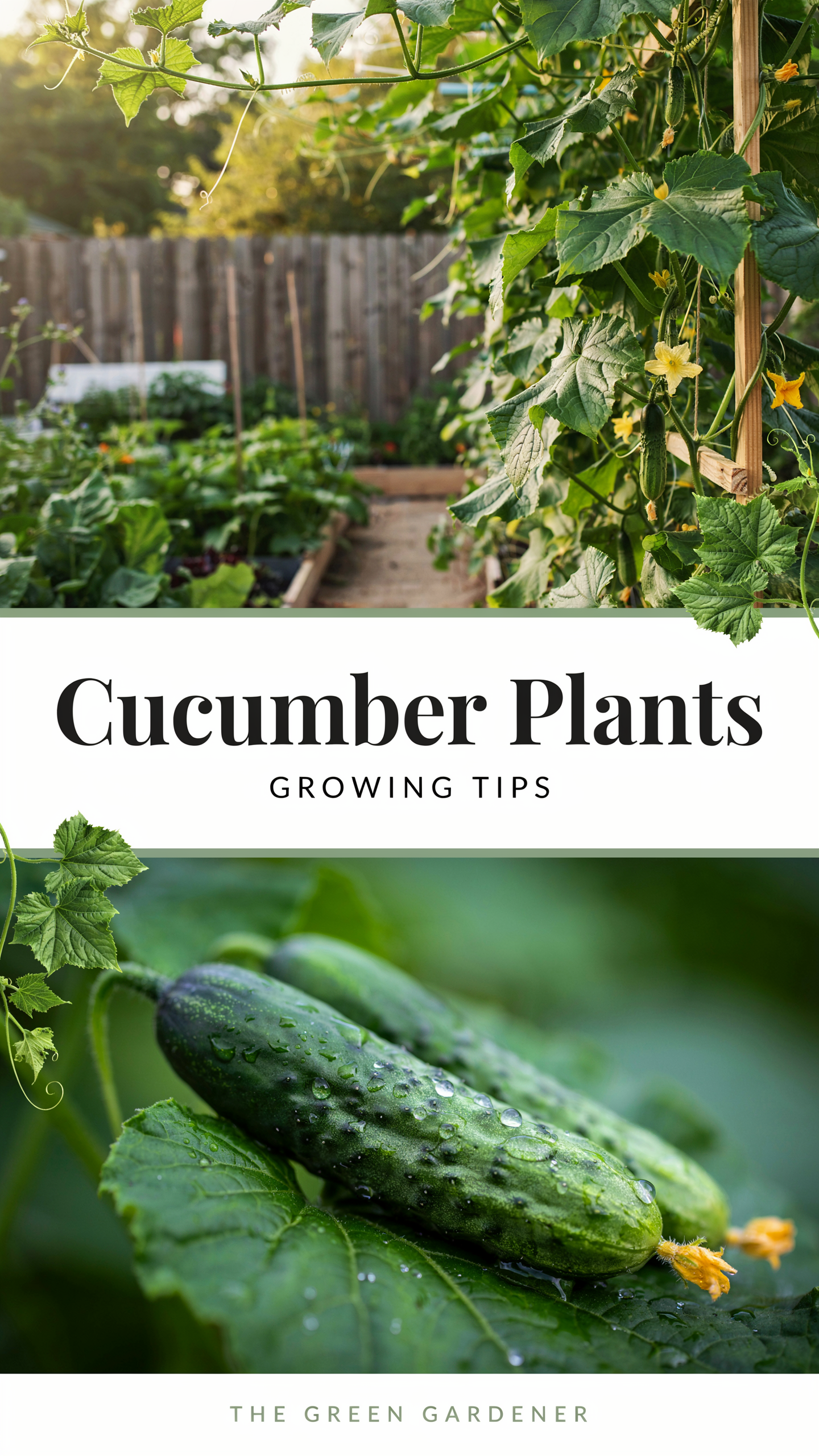
Vining cucumbers benefit hugely from trellising. It saves space, improves air circulation, keeps fruits clean and straight, and reduces disease.
Use sturdy trellises, fences, strings, or cages. Train vines upward as they grow, tying gently with soft twine. Bush types can sprawl but still appreciate some support to keep fruits off the ground.
Vertical growing is a game-changer for small spaces. I’ve seen yields double just by lifting plants off the soil.
Watering Cucumber Plants the Right Way
This is where many beginners slip up. Cucumbers are about 96% water, so consistent moisture is non-negotiable.
Aim for 1–2 inches of water per week, deeply soaking the root zone. Water at the base to keep foliage dry and prevent disease. In hot weather, you might need to water daily, especially container plants.
Inconsistent watering stresses plants and triggers bitterness (cucurbitacin). Mulch helps stabilize soil moisture. A soaker hose or drip irrigation works wonders.
Feeding and Soil Care for Healthy Growth
Cucumbers grow fast, so feed them well. A balanced fertilizer at planting, then switch to a high-potassium option (like tomato feed) once flowering starts to boost fruit production.
Side-dress with compost or fertilizer when vines start running. Avoid over-fertilizing with nitrogen, which encourages leaves over fruits.
Keep soil healthy with organic matter. Healthy soil means fewer problems later.
Pruning and Training Tips
Pruning isn’t always necessary but helps. For vining types, remove the first few side shoots or suckers to direct energy upward. Pinch the growing tip once plants reach the top of supports to encourage branching.
Remove male flowers in greenhouse settings for certain varieties to prevent bitter fruits. Good airflow from pruning reduces mildew risk.
Common Beginner Mistakes to Avoid
- Planting too early in cold soil.
- Letting soil dry out between waterings.
- Crowding plants (poor airflow = disease).
- Letting fruits grow too large (they become seedy and bitter).
- Ignoring pests early on.
Learn from these, and your cucumber patch will thank you.
Troubleshooting Common Cucumber Problems
Even with great care, issues pop up. Here’s how to handle the most frequent ones.
Yellow leaves: Often overwatering, nutrient deficiency, or natural aging of lower leaves. Check soil moisture and drainage first.
Powdery mildew (white powder on leaves): Common in humid conditions. Improve airflow, avoid overhead watering, and choose resistant varieties. Neem oil or baking soda sprays can help early.
Cucumber beetles: Striped or spotted pests that chew leaves and spread wilt. Use row covers early, hand-pick, or use neem. Companion planting with nasturtiums or radishes can deter them.
Wilting plants: Could be bacterial wilt (transmitted by beetles) or simply drought. Remove affected plants if wilt persists.
Bitter fruits: Usually from stress—uneven water, heat, or poor pollination. Harvest promptly and maintain consistency.
Poor pollination: Misshapen or few fruits. Hand-pollinate by transferring pollen from male to female flowers with a brush. Attract more bees with flowers nearby.
Pests like aphids or spider mites: Hose them off or use insecticidal soap. Encourage beneficial insects.
Monitor weekly. Early intervention saves plants.
Harvesting Cucumbers for Best Flavor
Harvest often—every day or two once fruits start coming. Pick when they’re medium-sized, firm, and bright green (or yellow for lemon cucumbers). Leaving them on too long signals the plant to slow down.
Use scissors or pruners to cut stems cleanly. Store in the fridge for up to a week. For pickling, process soon after harvest for maximum crispness.
The more you pick, the more they produce. It’s a virtuous cycle!
Growing Cucumbers in Containers
No yard? No problem. Choose large pots (at least 5–10 gallons) with good drainage. Bush varieties work best. Use high-quality potting mix amended with compost.
Place in full sun, water daily in heat, and feed regularly. Trellis small vines for vertical appeal on patios.
Extending the Season
Succession plant every 2–3 weeks for continuous harvest. In cooler climates, use row covers or black plastic to warm soil early. At season’s end, pull spent vines and compost them (if disease-free).
Real-World Insights from the Garden
Over the years, I’ve noticed that the healthiest cucumber plants are in spots with excellent airflow and steady routines. One season, a simple mulch layer cut my watering time in half and nearly eliminated weeds. Another year, trellising saved an entire crop from soil-borne rot after heavy rains.
Cucumbers respond quickly to good care. A little attention goes a long way.
FAQ: Cucumber Plants Growing Tips
How long do cucumber plants take to grow? Most varieties are ready in 50–70 days from planting. Warm weather speeds things up.
Why are my cucumber leaves turning yellow? Common causes include inconsistent watering, nutrient issues, overwatering, or pests/diseases. Check roots and moisture levels first.
Can I grow cucumbers indoors or in a greenhouse? Yes! Parthenocarpic varieties are ideal. Provide strong light, good ventilation, and consistent warmth.
What’s the best fertilizer for cucumbers? Start with balanced, then switch to high-potassium (tomato fertilizer) during flowering and fruiting.
How do I prevent bitter cucumbers? Maintain even watering, harvest promptly, ensure good pollination, and reduce plant stress.
Do cucumbers need full sun? Absolutely—at least 6–8 hours for best production and flavor.
How many cucumbers does one plant produce? A healthy vining plant can yield 10–20+ fruits or more with good care and regular harvesting.
Final Thoughts: Enjoy the Crunch of Success
There’s something deeply satisfying about growing your own cucumbers. From tiny seedlings to overflowing vines heavy with crisp fruits, it’s a journey that connects you to your food in the best way.
Armed with these cucumber plants growing tips, you’re ready to succeed. Start small, observe your plants, adjust as needed, and celebrate every harvest. Your future salads (and pickles!) will thank you.
Grab some seeds, prepare that sunny spot, and get planting. I’d love to hear how your cucumber garden grows—drop a comment with your favorite variety or biggest win. Happy gardening