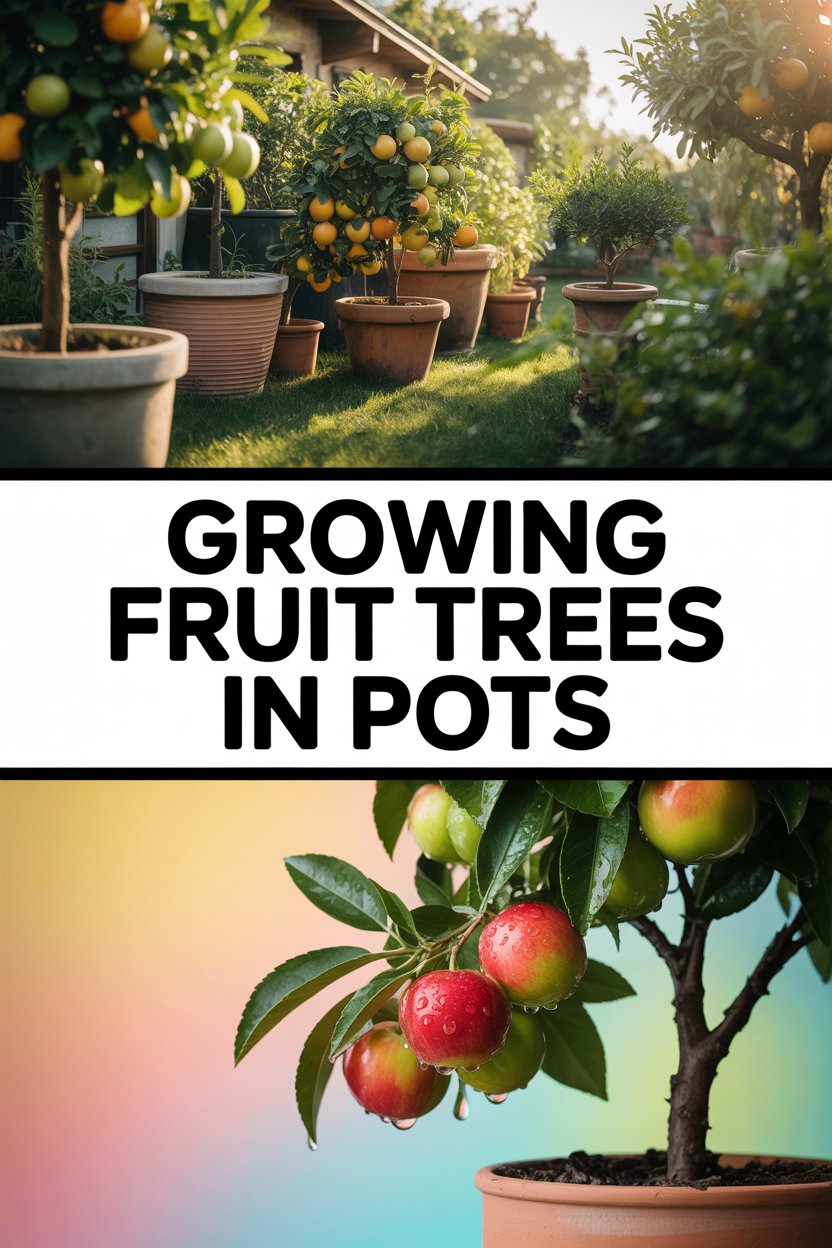
Have you ever bitten into a crisp, juicy apple and wondered if you could grow your own tree from that very seed? It sounds magical—like turning kitchen scraps into a backyard orchard. But many beginners hit a wall fast: seeds that won’t sprout, tiny seedlings that fizzle out, or years of waiting only to get sour, weird-looking fruit.
The good news? Growing apples from seed is totally doable, even for first-timers. It just takes a bit of know-how, patience, and realistic expectations. In this guide, I’ll walk you through the entire process step by step, share the mistakes I’ve seen (and made myself), and help you turn those little pips into thriving trees. Let’s grow something special together.
Quick Answer: Can You Really Grow Apples from Seed?
Yes, you can grow apple trees from seed. Collect viable seeds from ripe apples, give them a cold stratification period (mimicking winter), plant them in good soil, and provide consistent care. Expect germination in weeks to months, seedlings in the first year, and possible fruit in 5–10+ years. The trees won’t match the parent apple’s exact variety, but they can still produce tasty (or at least interesting) fruit—and the process is incredibly rewarding.
Why Grow Apples from Seed? The Magic (and Reality)
There’s something deeply satisfying about starting from scratch. No nursery trip, no grafted sapling—just you, a seed, and time. Kids love it. Homesteaders enjoy the experiment. And if you’re like me, that first tiny green sprout feels like a win.
But let’s be honest upfront. Apple trees grown from seed are genetically unique. They don’t grow “true to type” like grafted trees. The apple you get might be sweeter, tarter, smaller, or crabapple-like. Some turn out amazing; others are better for cider or wildlife.
Still, many gardeners end up with perfectly edible fruit after a few years. And even if the apples aren’t prize-winners, the tree itself becomes a beautiful, hardy addition to your yard.
Choosing the Right Apples for Seeds
Start with fresh, ripe, organic apples if possible. Store-bought ones work fine, but avoid any treated with sprout inhibitors. Pick varieties you enjoy eating—honeycrisp, gala, or heirlooms often yield interesting offspring.
Look for plump, dark brown seeds. Avoid shriveled or damaged ones. One large apple can give you 5–10 seeds, so save a few extras.
Pro Tip: Eat the apple first! Twist the core out or cut carefully around it to avoid nicking the seeds.
Step-by-Step: How to Germinate Apple Seeds
Apple seeds need cold stratification to break dormancy—usually 60–120 days of moist, cold conditions (around 35–40°F / 2–4°C).
Method 1: Paper Towel in the Fridge (Easiest for Beginners)
- Rinse seeds gently in water to remove pulp.
- Lay them on a damp (not soaking) paper towel.
- Fold the towel, place in a zip-top bag, and label with the date and apple variety.
- Store in the refrigerator. Check weekly—add a drop of water if drying out. Watch for mold (a bit of cinnamon can help prevent it).
- After 1–3 months, look for tiny white roots emerging.
Method 2: Winter Sowing Outdoors
Plant seeds in fall in a milk jug “greenhouse” or directly in the garden bed. Nature handles the cold period. This works great in many climates.
Method 3: Moist Sand or Peat
Mix seeds with slightly damp sand in a container and refrigerate. Same timeline as the paper towel method.
Once you see roots (usually 1/4 inch or more), it’s time to plant.
Planting Your Apple Seedlings
Use a well-draining potting mix—something light with perlite or sand. Avoid heavy garden soil at first.
- Plant sprouted seeds about 1/4 inch deep, root down.
- Water gently until moist.
- Place in bright, indirect light. A sunny windowsill or grow light works well.
- Keep soil consistently moist but not soggy.
Transplant to larger pots as they grow, or move outside after the last frost once hardened off.
Caring for Young Apple Trees
Young seedlings are tender. Here’s what they need:
Sunlight: Full sun (6–8+ hours) once established. Seedlings can handle some shade early on but grow stronger in light.
Watering: Keep soil evenly moist. Overwatering causes root rot; underwatering stresses them. A finger test works—water when the top inch feels dry.
Soil and Fertilizer: Well-drained, slightly acidic soil (pH 6.0–7.0) is ideal. Use a balanced, diluted fertilizer after the first true leaves appear. Compost tea is a gentle organic option.
Protection: Shield from strong winds, pests, and animals. A small fence helps against rabbits and deer.
Transplanting to the Garden
When your tree is 12–30 inches tall and sturdy (usually after 1–2 years), find its forever home.
Choose a spot with full sun and good drainage. Dig a hole twice as wide as the root ball but no deeper. Set the tree so the root flare sits at soil level. Water deeply after planting and mulch around the base (keep mulch away from the trunk).
Space trees 15–30 feet apart depending on expected size—seedlings often grow full-sized unless grafted later.
Pruning and Training Your Apple Tree
Pruning encourages strong structure and better fruiting. Start early:
- Remove any crossing or damaged branches.
- Shape for an open center to allow light and air.
- In the first few years, focus on building a sturdy framework.
Don’t be afraid to prune—apple trees are forgiving. Watch a few tutorial videos for visual guidance.
How Long Until You Get Apples?
This is the big question. From seed, expect 5–10 years for the first decent harvest. Some lucky growers see fruit in 3–4 years with excellent care, but 6–8 years is more common.
Be patient. The tree will grow taller and stronger each season. Those early years are perfect for learning its personality.
Common Beginner Mistakes to Avoid
- Skipping stratification → Seeds stay dormant.
- Overwatering seedlings → Leads to damping-off or rot.
- Planting too deep → Weak or dead plants.
- Poor light → Leggy, weak growth.
- Ignoring pests early → Aphids and deer love tender leaves.
- Expecting identical fruit → Manage expectations for better enjoyment.
I’ve killed a few seedlings by being too eager with water. Learn from my mistakes—less is often more at the start.
Troubleshooting Common Problems
No Germination: Seeds may need longer cold time, or they were immature. Try another batch.
Yellow Leaves: Usually overwatering or nutrient deficiency. Improve drainage and feed lightly.
Leggy Seedlings: Not enough light. Move closer to a window or add grow lights.
Pests/Diseases: Watch for aphids, spider mites, apple scab, or fire blight. Neem oil or good airflow helps. Choose disease-resistant varieties for future grafts.
Slow Growth: Could be poor soil, inconsistent water, or transplant shock. Mulch and compost help.
Real-World Insights from the Garden
In my experience, the first year is all about survival. By year two, trees often take off. One of my early experiments produced small but surprisingly sweet apples after seven years—nothing like the parent, but perfect for fresh eating and baking.
I’ve also seen trees become wildlife havens, feeding birds and bees long before human harvests. Growing from seed teaches you more about nature’s variability than any grafted tree ever could.
Grafting for Better Results (Optional Next Step)
Once your seedling is established (a year or two old), consider grafting a known variety onto it. This combines your hardy rootstock with proven fruit quality. It’s a fun skill to learn and can speed up fruit production dramatically.
Harvesting and Enjoying Your Apples
When your tree finally fruits, taste-test early. Pick when fully colored and firm. Use extras for pies, sauce, cider, or drying. Share the bounty—nothing beats homemade apple butter from your own tree.
Environmental Benefits and Sustainability
Homegrown apples reduce food miles and support pollinators. Your tree sequesters carbon and adds beauty to the landscape. Even “ugly” fruit has value in a closed-loop garden.
FAQ: Growing Apples from Seed
How long does it take to grow apples from seed? Typically 5–10 years from planting to first significant harvest. Germination takes weeks after stratification, but fruiting patience is key.
Will apple seeds grow true to the parent tree? No. Seed-grown trees produce unique varieties. They may be better, worse, or completely different from the original apple.
Can you plant apple seeds directly in the ground? Yes, especially in fall for natural stratification. Protect from animals and ensure good soil. Indoor starting gives more control for beginners.
What is the best time to start growing apples from seed? Late summer/fall for stratification, or early spring after fridge chilling. Timing depends on your climate.
Do apple trees from seed need a pollinator? Most do. Plant at least two compatible trees for cross-pollination to get good fruit set.
Are there dwarf apple trees from seed? Rarely. Seedlings usually grow full size (up to 30 feet). Use dwarfing rootstock via grafting if you want smaller trees.
How do I store apple seeds for later planting? Dry them thoroughly after cleaning, then refrigerate in a sealed bag with slight moisture for stratification when ready.
Final Thoughts: Your Apple-Growing Adventure Awaits
Growing apples from seed isn’t the fastest path to fruit, but it’s one of the most meaningful. You’ll learn about patience, resilience, and the joy of unexpected results. That first bite from your own tree—however small or quirky—tastes sweeter than anything from the store.
Grab some apples this week, save those seeds, and start your journey. I’d love to hear how your trees grow—drop a comment with your variety or progress. Happy planting, friend. Your future orchard is waiting.