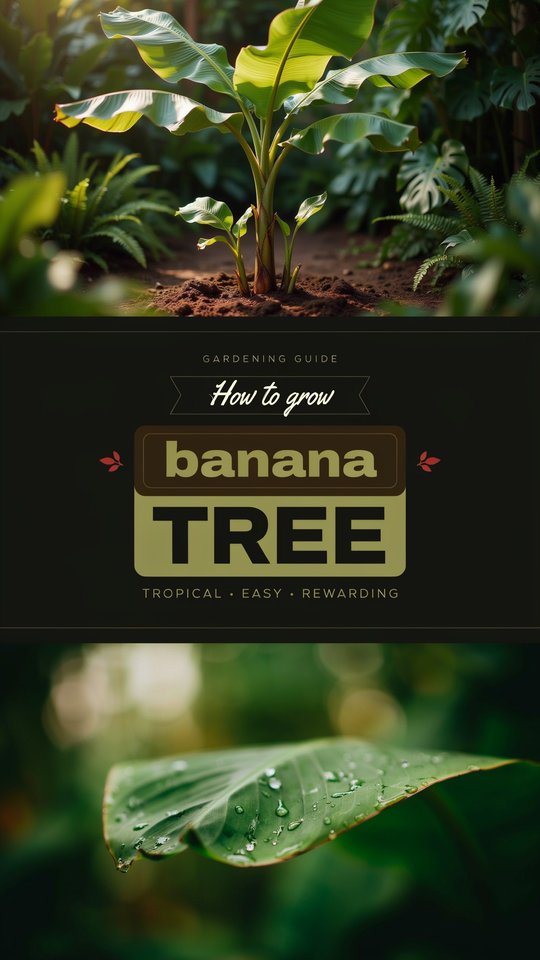

Imagine stepping into your backyard and plucking a sweet, sun-ripened banana straight from your own plant. No more wondering about store-bought fruit sprayed with who-knows-what. Growing your own banana tree is easier than most people think, and it can turn your garden into a lush tropical oasis.
If you’re a beginner staring at a sad-looking plant or just dreaming about it, you’re in the right place. I’ve grown bananas in my own yard for years, and I’ll walk you through everything in simple, practical steps. By the end, you’ll feel confident to start your banana-growing adventure.
Quick Answer: How to Grow a Banana Tree
Banana “trees” are actually giant herbs. They grow best in warm, humid climates with full sun, rich moist soil, and consistent water. Start with a healthy sucker (pup), plant in well-draining fertile soil, water deeply, fertilize regularly, and wait 9–18 months for your first bunch. Dwarf varieties work great for smaller spaces or containers. Protect from frost and wind.
Why Grow Your Own Banana Tree?
There’s something magical about watching those huge green leaves unfurl and a heavy bunch of bananas develop right before your eyes. Homegrown bananas often taste better — sweeter and more flavorful — because you can let them ripen naturally on the plant.
They also make stunning landscape plants. Even if you never harvest fruit, the dramatic foliage adds instant tropical vibes. Plus, one plant quickly multiplies into a mini grove through suckers, giving you plenty to share with friends.
Understanding Banana Plants: Not Really Trees
Before diving into planting, let’s clear up a common confusion. Bananas are herbaceous perennials. What looks like a trunk is actually a pseudostem made of tightly packed leaf bases. The real “trunk” is an underground corm.
This matters because after the mother plant fruits once, it dies back, but new suckers take over. It’s a continuous cycle that can last for years with good care.
Choosing the Right Variety for Your Space
Not all banana plants are the same. For beginners, I recommend starting with dwarf varieties:
- Dwarf Cavendish — Popular, sweet fruit, grows 8–10 feet tall. Great for pots or small yards.
- Dwarf Orinoco — Cold-hardier than many, good flavor.
- Lady Finger — Smaller, sweeter bananas.
- Super Dwarf varieties for patios or indoor growing.
If you have plenty of space and live in a truly tropical area, taller varieties produce bigger bunches but need more room (10–15+ feet). Consider your climate zone first. Most bananas need USDA zones 9–11 or protection in colder areas.
Best Growing Conditions for Banana Trees
Bananas love the tropics, so mimic that environment.
Sunlight: They crave full sun — at least 6–8 hours daily, ideally 10–12. More sun means faster growth and better fruit. In very hot climates, some afternoon shade helps prevent leaf scorch.
Temperature: Daytime 78–86°F (25–30°C) is ideal. Nights above 60°F. They stop growing below 50°F and frost can kill leaves or the whole plant.
Humidity and Wind: High humidity makes them happy. Strong winds shred those big leaves, so plant in a sheltered spot, maybe near a wall or other trees.
Soil: Rich, loamy, well-draining soil with plenty of organic matter. pH 5.5–7.0. Heavy clay or pure sand needs serious amending with compost.
How to Plant a Banana Tree Step by Step
- Get Your Starter Plant The easiest way is buying a healthy sucker from a nursery or a friend. Look for one with spear-shaped leaves, about 3–4 feet tall, with a good chunk of corm and roots. Avoid tall, skinny ones.
- Choose the Spot Pick a sunny, sheltered location with good drainage. Dig a test hole: it should drain 7–15 cm of water per hour.
- Prepare the Hole Dig a generous hole — at least 2–3 feet wide and deep. Mix in lots of compost, aged manure, and some good garden soil. Create a slight mound if drainage is questionable.
- Plant It Place the sucker at the same depth it was growing. Firm the soil gently and water deeply. Add mulch around the base (keep it away from the stem) to retain moisture and suppress weeds.
- Initial Care Water well after planting. Some people cut the top leaves to reduce stress and evaporation. Expect it to look a bit sad for a week or two while it settles.
Watering Your Banana Plant Like a Pro
Bananas are thirsty plants. Keep the soil consistently moist but never soggy. In hot weather, you might water every day or two, especially young plants.
Deep, infrequent watering encourages strong roots. A good rule: if the top 2–3 inches of soil feel dry, it’s time to water. Use a soaker hose or drip system to deliver water slowly.
In containers, check daily — pots dry out faster. Overwatering is a common beginner mistake that leads to root rot. Good drainage is your best friend here.
Feeding Your Banana Tree for Maximum Growth
These are heavy feeders. They grow fast and need nutrients to support those massive leaves and heavy fruit bunches.
- Use a balanced fertilizer high in potassium (K) for fruiting.
- Apply every 4–6 weeks during the growing season.
- Organic options like compost tea, fish emulsion, or well-rotted manure work wonderfully.
- Scatter fertilizer in a wide circle around the plant, then water it in.
I like to mulch with chopped banana leaves and other garden waste — it feeds the plant as it breaks down.
Pruning and Managing Suckers
Pruning is simple but important:
- Remove dead or damaged leaves regularly.
- After the mother plant fruits and starts dying, cut it back to the ground.
- Select 2–3 strong suckers to keep as replacements. Remove the rest so energy goes to fruit production.
Too many suckers create a crowded clump that competes for nutrients. I usually keep a “family” of 3–4 plants at different stages.
From Flower to Harvest: What to Expect
It usually takes 9–18 months from planting a sucker to your first harvest, depending on variety and conditions. The plant grows vegetatively, then sends out a flower spike (the “hand”).
Bananas develop from female flowers. The bunch points upward at first, then the fruit curves.
Harvest when the bananas are plump and the flowers at the tip dry up. Cut the whole bunch and let them ripen indoors or on the plant for sweeter flavor. The mother plant will die back soon after.
Growing Banana Trees in Containers
Don’t have a yard? No problem. Dwarf varieties thrive in large pots (at least 15–20 gallons).
Use high-quality potting mix with added compost. Repot every couple of years. Containers dry out faster, so monitor moisture closely. Move them indoors or to a greenhouse in winter if you get frost.
Common Beginner Mistakes to Avoid
- Planting in poor drainage → root rot.
- Not watering enough → slow growth and small fruit.
- Skipping fertilizer → weak plants that never fruit.
- Leaving too many suckers → smaller bunches.
- Exposing to wind or frost without protection.
I’ve made most of these mistakes myself. Learn from them and your plants will thank you.
Troubleshooting Common Banana Problems
Yellow Leaves: Normal for older lower leaves. If many turn yellow quickly, check watering, nutrients (especially nitrogen or magnesium), or pests.
No Fruit: Usually patience, insufficient sun, or not enough potassium. Young plants take time.
Pests (Aphids, Weevils, Thrips): Inspect regularly. Neem oil or insecticidal soap helps. Ants often farm aphids — control them too.
Diseases (Fusarium Wilt, Bunchy Top): Prevention is key. Buy disease-free plants, ensure good airflow, and remove infected material. Some diseases require destroying the plant.
Brown Leaf Edges: Too little water, low humidity, or fertilizer burn.
Wilting: Could be underwatering, overwatering, or weevil damage to the corm.
Winter Care and Cold Protection
In marginal climates, protect your plants. Mulch heavily around the base. Use frost cloth or even a mini greenhouse setup during cold snaps. Some varieties are hardier than others.
Cut back damaged leaves in spring and watch new growth emerge from the corm.
Companion Planting and Garden Integration
Bananas pair well with other tropicals like ginger, turmeric, or taro that enjoy similar conditions. Legumes nearby can help fix nitrogen. Their broad leaves provide nice shade for smaller understory plants.
Harvesting and Enjoying Your Bananas
Harvest by cutting the stalk above the bunch with a sharp knife or pole saw. Handle carefully — bunches are heavy!
Eat fresh, make smoothies, bake banana bread, or freeze for later. Homegrown ones often have a more complex flavor.
Sustainable Banana Growing Tips
- Use your own chopped leaves and stems as mulch.
- Collect rainwater for watering.
- Make compost from kitchen scraps to feed them.
- Share extra suckers with neighbors — it’s a wonderful way to spread the joy.
FAQ: How to Grow Banana Tree
How long does it take to grow a banana tree from planting to harvest? Most varieties take 9–18 months. Dwarf types are often on the faster side with good care.
Can you grow a banana tree from a grocery store banana? Technically possible but not recommended. Commercial bananas are usually sterile hybrids. Better to start with a proven sucker.
Do banana trees need a lot of water? Yes, they are thirsty but need excellent drainage. Consistent moisture without waterlogging is the goal.
Can banana trees grow indoors? Dwarf varieties can, but they need bright light (grow lights help) and high humidity. They rarely fruit indoors without ideal conditions.
Why are my banana leaves tearing? It’s normal! Wind causes natural splitting. As long as the plant is healthy, torn leaves still function well.
How many bananas does one tree produce? One pseudostem produces one bunch (which can have 50–200+ fruits depending on variety and care). Then it dies back.
Are banana plants invasive? In some tropical areas they can spread enthusiastically through suckers, but they’re generally easy to manage by removing unwanted pups.
Ready to Grow Your Own Banana Paradise?
There’s nothing quite like the satisfaction of harvesting your first bunch of homegrown bananas. It might take a little patience, but the rewards are huge — literally.
Start small, observe your plant, and adjust as you go. Every gardener’s microclimate is a bit different, so don’t be afraid to experiment.
Grab a healthy sucker, find a sunny spot, and get planting. Your future self (and taste buds) will thank you. Drop a comment below if you have questions or share your banana-growing success stories — I’d love to hear them!
Happy growing!