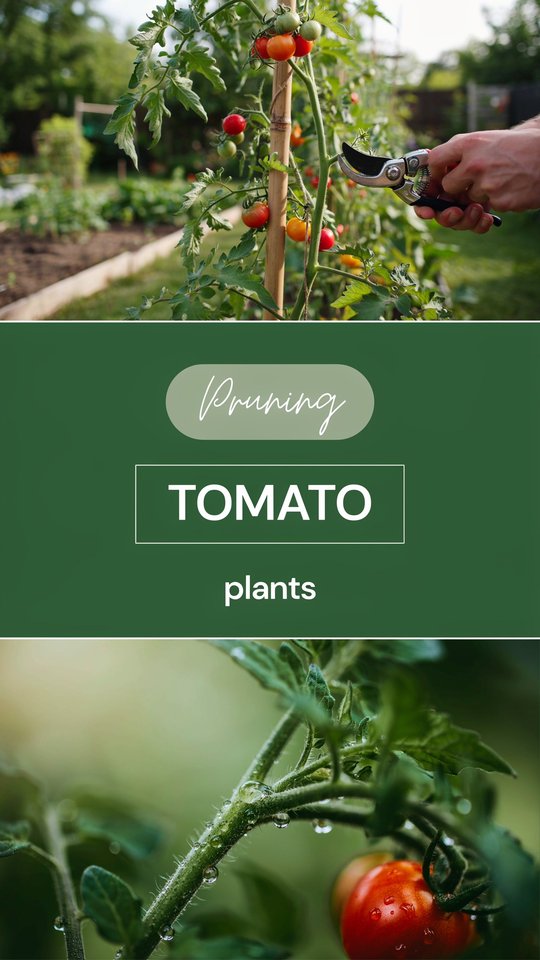

Imagine stepping into your garden on a warm summer morning, only to find your tomato plants looking like a wild jungle. Leaves everywhere, tangled stems, and maybe a few sad little fruits hiding in all that green chaos. If that sounds familiar, you’re not alone. Many beginner gardeners watch their tomatoes grow vigorously but wonder why the harvest feels disappointing.
The good news? A simple technique called pruning tomato plants can transform your garden. It helps your plants focus energy on producing sweet, juicy tomatoes instead of endless leaves. In this guide, I’ll walk you through everything in a friendly, step-by-step way—no fancy jargon, just practical advice from someone who’s made (and fixed) plenty of mistakes along the way.
Quick Answer: Should You Prune Tomato Plants?
Yes, pruning tomato plants is highly recommended for indeterminate (vining) varieties to boost airflow, reduce disease, and increase fruit size and yield. For determinate (bush) types, keep it minimal—mainly just lower leaves touching the soil. Start when plants are 12-18 inches tall, and do it regularly in the morning on dry days.
Why Pruning Tomato Plants Makes Such a Big Difference
Tomato plants are incredible growers. Indeterminate types especially can shoot up like crazy, sending out “suckers”—those little shoots that pop up in the crotches between the main stem and leaves. Left unchecked, these suckers create dense foliage that blocks sunlight and traps moisture.
That leads to problems like fungal diseases (think early blight or septoria), slower ripening, and smaller fruits. Pruning redirects the plant’s energy toward fruit production, improves air circulation, and makes your garden easier to manage.
I’ve seen it firsthand: one year I let my plants go wild, and the harvest was okay but spread out with lots of green tomatoes at season’s end. The next season, with consistent pruning, I harvested earlier, bigger fruits, and fewer disease issues. It felt like magic—but it’s really just smart plant care.
Understanding Tomato Types: Determinate vs. Indeterminate
This is the most important first step before you grab your pruners.
Determinate tomatoes (bush varieties) grow to a set height, usually 3-4 feet, produce fruit in a shorter window, and don’t need heavy pruning. Removing suckers aggressively can actually reduce your harvest. Stick to cleaning up lower leaves and any damaged growth.
Indeterminate tomatoes (vining types like most heirlooms, cherry tomatoes, and beefsteaks) keep growing and producing all season. These benefit the most from regular pruning. You’ll train them to one, two, or a few main stems for better results.
Not sure which you have? Check your seed packet or plant tag—it usually says right there.
When to Start Pruning Tomato Plants
Timing matters. Don’t rush it right after transplanting.
Wait until your plants are about 12-18 inches tall and showing their first flower clusters. For many gardeners, this means late June or early July, depending on your climate. Prune every 7-14 days after that as new suckers appear.
Best time of day? Morning, when the plants are dry and wounds can heal quickly before evening humidity sets in. Avoid pruning right before rain or in the heat of the day.
Early in the season, you can even pinch off the very first flowers to help the plant establish stronger roots. It feels counterintuitive, but it pays off with a bigger overall harvest.
Tools You’ll Need for Pruning Tomato Plants
Keep it simple—you probably already have what you need:
- Clean hands (for small suckers)
- Sharp, sanitized pruning shears or scissors
- Rubbing alcohol or a bleach solution to disinfect tools between cuts
- Gloves if you prefer (tomato stems can be a bit sticky)
Always sanitize between plants to avoid spreading disease.
Step-by-Step Guide: How to Prune Tomato Plants
Here’s the practical process I follow every season.
Step 1: Clean the base. Remove any leaves or branches touching the soil. This prevents soil-borne diseases from splashing up. Aim to have 8-12 inches of clear stem at the bottom.
Step 2: Identify and remove suckers. Look for those vigorous shoots growing at 45-degree angles in the leaf axils. For indeterminate plants, pinch them off when small (under 2-3 inches) with your fingers—they snap off easily. Leave the strongest one or two below the first fruit cluster if you want multiple stems.
Step 3: Thin out excess foliage. As the plant grows, remove some lower leaves up to the first developing fruit truss. Don’t strip everything—leave enough canopy to shade the fruits and support photosynthesis.
Step 4: Manage the top (late season). About 4 weeks before your expected first frost, “top” the plants by cutting off the growing tips. This tells the plant to stop making new leaves and focus on ripening existing fruit.
Work gently. The plant will thank you with healthier growth.
Pruning Techniques for Different Goals
Want fewer but larger tomatoes? Prune more aggressively to 1-2 main stems.
Prefer quantity over size? Leave a few extra suckers to grow into additional fruiting stems.
In containers or small spaces, stricter pruning helps control size. In larger gardens, you have more flexibility.
I like a middle path: two strong stems on most plants. It balances yield and manageability.
Common Beginner Mistakes When Pruning Tomato Plants
We’ve all been there. Here are pitfalls to avoid:
- Over-pruning too early or too much. Removing too many leaves at once stresses the plant and can slow growth or cause sunscald on fruits.
- Pruning determinate varieties like indeterminates. This cuts your harvest short.
- Ignoring hygiene. Dirty tools spread disease fast.
- Pruning wet plants. This invites fungal issues.
- Waiting too long. Big suckers are harder to remove and waste more plant energy.
Start small and observe how your specific varieties respond. Gardening is as much art as science.
Troubleshooting Common Pruning Problems
Yellow leaves after pruning? Normal mild stress if you didn’t remove too much. Ensure good watering and mulch.
No fruit yet? Check if you’re pruning off flower clusters by mistake. Give it time—pruning helps long-term.
Disease appearing anyway? Increase spacing, improve soil drainage, and consider resistant varieties next year. Pruning helps but isn’t a cure-all.
Plants still too bushy? Double-check you’re catching suckers young. Consistent weekly checks make a huge difference.
In humid climates, I prune a bit more aggressively for airflow. In drier areas, you can be lighter-handed.
Advanced Tips for Even Better Results
- Support your plants well with stakes, cages, or trellises. Pruned plants are taller and heavier with fruit.
- Mulch heavily after pruning to retain moisture and suppress weeds.
- Companion plant with basil or marigolds for natural pest control.
- Save healthy pruned suckers—they can often be rooted in water to create new plants!
- Track your results in a garden journal. Note variety, pruning style, and yield for next year.
One personal observation: cherry tomatoes tolerate (and even thrive on) a little more lax pruning than large beefsteaks. Experiment in your own garden.
Benefits Beyond the Harvest
Pruning tomato plants isn’t just about more tomatoes. It makes gardening more enjoyable—easier to harvest, fewer pests hiding in dense foliage, and a tidier look that fits beautifully in backyard spaces.
Your plants will look stronger, stand up better to wind and weather, and give you that satisfying “I grew this!” feeling all season long.
FAQ: Pruning Tomato Plants
When is the best time to prune tomato plants? Start when plants are 12-18 inches tall with first flowers, then every 7-14 days. Morning on dry days is ideal.
Should I prune determinate tomato plants? Minimally—only remove lower leaves touching the ground or damaged parts. Heavy pruning reduces yield on bush types.
How do I remove tomato suckers correctly? Pinch small ones by hand at the base. For larger ones, use clean shears and cut close to the main stem without damaging it.
Does pruning tomato plants really increase yield? Yes, especially for indeterminate varieties. It focuses energy on fruit rather than excess foliage, often leading to larger, earlier harvests.
Can I prune tomato plants in containers? Absolutely. Pruning is even more important in pots to control size and keep plants healthy in limited space.
What if I miss some suckers? No panic! Just remove them when you notice. The plant is resilient, and consistent care still pays off.
Is it too late to start pruning? It’s never too late to start cleaning up, but earlier is better. Focus on lower leaves and obvious suckers if you’re catching up mid-season.
Final Thoughts: Enjoy the Fruits of Your Labor
Pruning tomato plants might feel a little scary at first—like you’re cutting away potential. But once you see those strong stems loaded with ripening fruit, you’ll wonder why you ever hesitated.
There’s something deeply satisfying about tending your garden this way. It’s not just growing food; it’s building a relationship with your plants and learning their rhythms.
This season, give pruning a try. Start small, observe closely, and adjust as you go. Your future self (and your dinner table) will thank you.
Ready to get your hands dirty? Head out to the garden, and don’t forget to share your pruning success stories in the comments. Happy growing!