Introduction
Picture this: Your zucchini plant looks like a jungle. Huge leaves everywhere, vines sprawling, and you’re hunting for hidden fruits that might already be turning into baseball bats. Sound familiar?
Many beginner gardeners plant zucchini expecting an easy bounty, only to end up frustrated with powdery mildew, poor pollination, or plants that suddenly slow down mid-season. The secret many miss? Strategic pruning.
Knowing when to prune zucchini plants can transform your harvest from okay to outstanding. It’s not about hacking away randomly—it’s about smart, gentle maintenance that keeps your plants happy and productive right through summer and into fall.
In this guide, I’ll walk you through everything as if we’re chatting over coffee in your garden. No complicated jargon, just practical advice from years of growing these vigorous plants.
Quick Answer
When should you prune zucchini plants? Start pruning once your plant is established and producing its first fruits—usually 4–6 weeks after planting. Remove lower leaves below the lowest developing fruit regularly (every 1–2 weeks) to improve airflow and direct energy upward. Never remove more than about 25-30% of the foliage at once, and always prune in dry weather.
Table of Contents
- Why Pruning Zucchini Matters
- Best Time to Prune Zucchini Plants
- Signs Your Zucchini Needs Pruning
- Step-by-Step Guide to Pruning Zucchini
- Tools You’ll Need
- Common Pruning Mistakes Beginners Make
- Pruning for Different Zucchini Types (Bush vs. Vining)
- How Pruning Boosts Pollination and Yield
- Troubleshooting After Pruning
- Seasonal Pruning Tips Throughout the Year
- FAQ Section
- Final Thoughts
Why Pruning Zucchini Matters
Zucchini plants are incredibly generous but also a bit chaotic. They grow fast and produce massive leaves that can shade their own flowers and trap moisture.
Pruning helps in several key ways:
- Improves air circulation, reducing fungal diseases like powdery mildew.
- Allows sunlight to reach more of the plant and makes flowers easier for bees to find.
- Directs the plant’s energy toward fruit production instead of maintaining old, unproductive lower leaves.
- Saves space, letting you grow more in smaller gardens.
- Keeps plants healthier longer into the season.
I remember my first year growing zucchini. I let them go wild, and by midsummer, the plants were a mess—yellow leaves touching the soil, bugs hiding everywhere, and production dropping off. Once I started pruning regularly, everything changed. The plants stayed productive weeks longer.
Best Time to Prune Zucchini Plants
Timing is everything. Prune too early, and you stress a young plant. Too late, and disease might already have taken hold.
Ideal window: Begin when the plant has several true leaves and the first flowers or small fruits appear—typically around 4 to 6 weeks after transplanting or when the plant is about 12-18 inches tall.
The very best moments for pruning:
- Early morning on dry, sunny days.
- After the first fruits set.
- Every 7–14 days as maintenance.
- Whenever you spot yellowing, damaged, or diseased leaves.
Avoid pruning during rainy or very humid periods, as open cuts can invite infection. Also skip extreme heat waves when the plant is already stressed.
In warmer climates like mine, I often do light pruning right through late summer. As nights start cooling in early fall, I get more aggressive with old foliage to help the plant finish strong.
Signs Your Zucchini Needs Pruning
Look for these clues during your regular garden checks:
- Lower leaves turning yellow or brown.
- Leaves touching the soil.
- Crowded center with overlapping foliage.
- Reduced fruit production or small, misshapen zucchinis.
- White powdery spots (early mildew).
- Difficulty spotting flowers or fruits among the leaves.
If your plant looks like it’s swallowing your garden path, that’s another clear signal.

Step-by-Step Guide to Pruning Zucchini
Here’s exactly how I do it:
- Assess the plant – Walk around and identify the lowest developing fruit.
- Locate the main stem – Be gentle; zucchini stems can be a bit prickly.
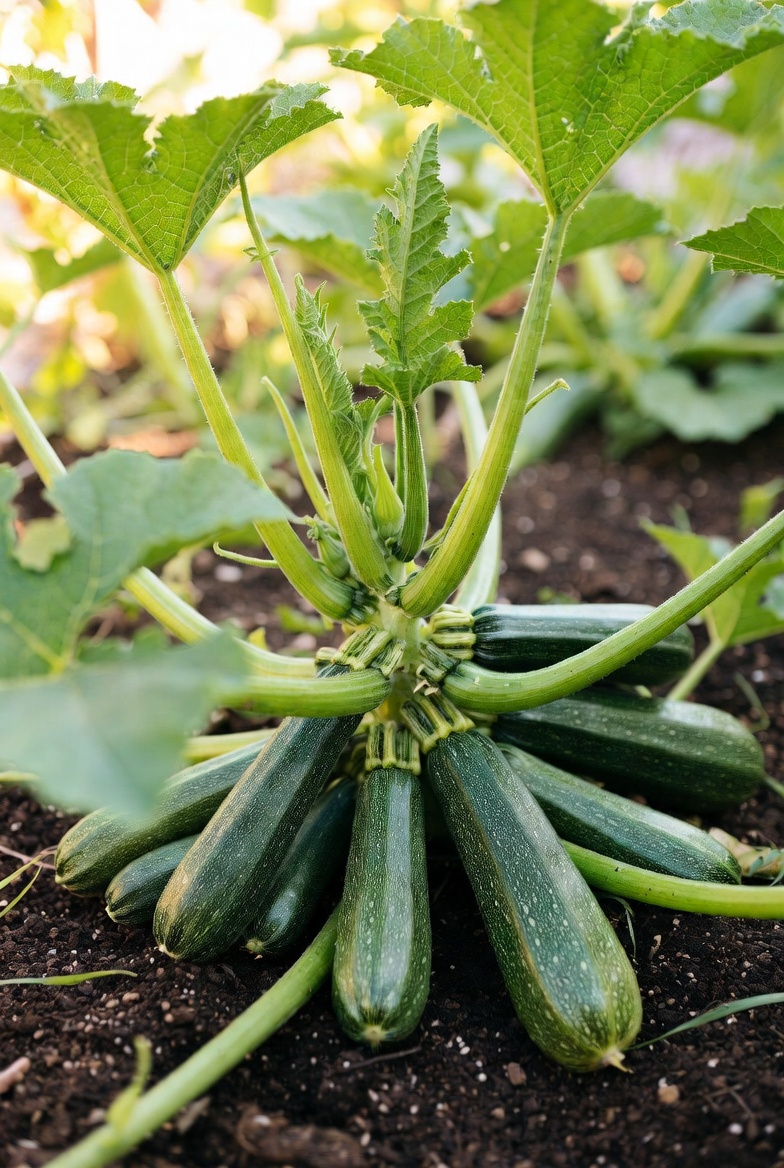
- Remove lower leaves – Cut all leaves and spent flowers below the lowest fruit. Snip close to the main stem but don’t damage it. Leave a small nub if you prefer.
- Thin overlapping leaves – Remove a few crossing or heavily shaded leaves in the middle.
- Check for problems – Cut away any diseased or damaged parts.
- Clean up – Remove all cuttings from the garden bed to prevent disease spread. Compost healthy material; dispose of diseased leaves.
- Water lightly – Give the plant a gentle drink afterward to help it recover.
I usually combine pruning with harvesting. It becomes a quick 5–10 minute routine that keeps everything under control.
Tools You’ll Need
Keep it simple:
- Sharp, clean bypass pruners or kitchen scissors.
- Gloves (zucchini leaves and stems can irritate skin).
- Small bucket for collecting debris.
- Rubbing alcohol or bleach solution to disinfect tools between plants.
Clean tools are non-negotiable. I wipe mine with alcohol after every session.
Common Pruning Mistakes Beginners Make
- Pruning too much at once (more than 25-30% of leaves).
- Cutting above the lowest fruit, which can starve developing zucchinis.
- Tearing leaves instead of making clean cuts.
- Pruning in wet weather.
- Leaving cut stems long (they can rot).
- Ignoring sanitation and spreading disease.
One season I got overzealous and stripped too many leaves. The plant sulked for a week. Lesson learned—go slow and steady.
Pruning for Different Zucchini Types
Bush varieties (most common in home gardens): Focus mainly on lower leaves and airflow. They stay more compact naturally.
Vining varieties: These benefit from more aggressive pruning and can even be trained upward on trellises. Trim back wandering vines that go too far.
The technique stays similar, but vining types may need extra attention to keep them from taking over.

How Pruning Boosts Pollination and Yield
Here’s the magic part. By opening up the plant, bees and other pollinators can actually see and reach the flowers more easily. Better pollination means more fruits.
Plus, the plant doesn’t waste energy on dying lower leaves. That energy goes straight to new flowers and growing those delicious zucchinis. Many gardeners report significantly higher yields after adopting regular pruning.
Troubleshooting After Pruning
Plant looks wilted? Normal for a day or two. Water well and give it time. New growth appears quickly.
No new fruits? Check pollination. Hand-pollinate if needed by transferring pollen from male to female flowers.
Mildew appears anyway? Increase spacing next season and continue pruning. Neem oil or baking soda sprays can help as prevention.
Stems rotting? You cut too close or left long stubs. Adjust technique next time.
Seasonal Pruning Tips Throughout the Year
- Early season: Light pruning to establish good structure.
- Peak summer: Regular maintenance every week or two.
- Late summer/early fall: Remove more old leaves as temperatures drop to reduce stress.
- End of season: Major cleanup before frost.
In my experience, consistent light pruning throughout the season beats one big cut any day.
FAQ Section
When to prune zucchini plants for the first time? Wait until your plant has its first small fruits forming, usually 4–6 weeks after planting. This ensures the plant is strong enough to handle pruning.
Should I prune zucchini leaves that are touching the ground? Yes! These are prime candidates for removal. They often harbor pests and disease while contributing little to the plant.
Can pruning zucchini increase production? Absolutely. By improving airflow, sunlight, and energy direction, many gardeners see more consistent harvests throughout the season.
Is it too late to prune zucchini in midsummer? Not at all. You can prune lightly anytime during the growing season as long as you follow the guidelines and don’t remove too much foliage at once.
Do all zucchini varieties need pruning? Most benefit from it, especially in humid climates. Compact bush types need less than sprawling vining ones, but regular removal of yellow or damaged leaves helps every plant.
How much can I prune at one time? A good rule is no more than one-third of the foliage. This keeps the plant balanced and productive.
Should I prune flowers too? Only remove spent male flowers. Healthy flowers should stay to support pollination and fruit set.
Conclusion
There’s something deeply satisfying about stepping back from a well-pruned zucchini plant—open, healthy, and loaded with potential. Those big, vibrant leaves catching the sun, easy-to-spot fruits ready for harvest, and the knowledge that you’re giving your garden the best chance.
Mastering when to prune zucchini plants isn’t about perfection. It’s about building a simple habit that pays off with armloads of fresh produce and healthier plants season after season.
Grab your pruners, head out to the garden, and give it a try. Your future self (and your dinner table) will thank you. If you have questions or success stories, drop them in the comments—I love hearing how these tips work in different gardens.
Happy growing, friend. May your zucchini overflow!