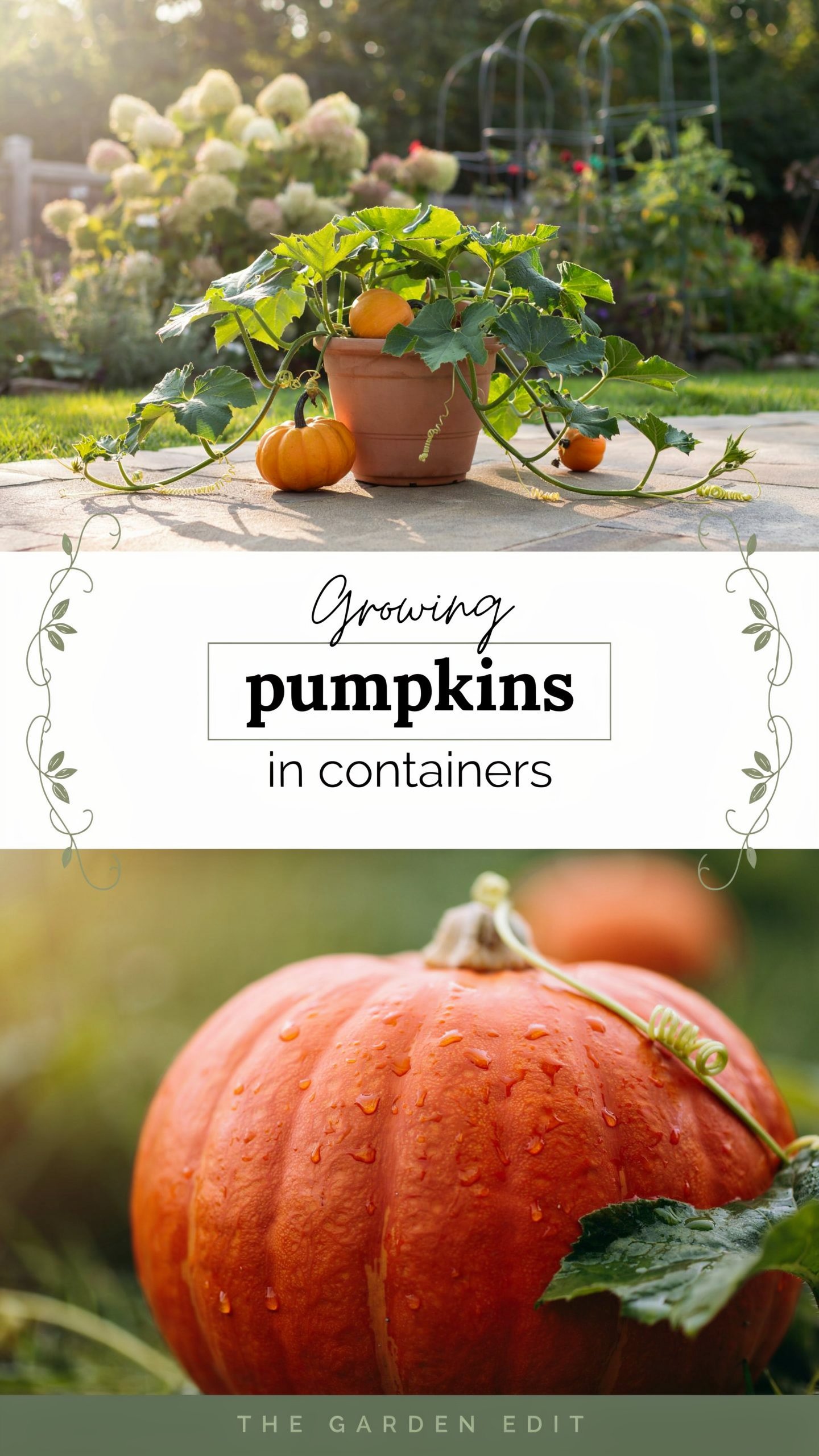

Imagine plucking a vibrant, homegrown pumpkin right from your balcony or patio this fall. No sprawling backyard needed—just a few big pots, some sunshine, and a bit of care. If you’ve ever thought container gardening was only for herbs or tomatoes, think again. Growing pumpkins in containers is totally doable, even for beginners.
Whether you’re short on space, dealing with poor soil, or just want to try something fun, this guide will walk you through everything. You’ll go from seed to harvest with confidence.
Quick Answer: Can You Really Grow Pumpkins in Containers?
Yes! Choose compact varieties, use large containers (at least 15-30 gallons), provide full sun, consistent water, and rich soil. You can expect 1-3 smaller pumpkins per plant. It’s perfect for patios, balconies, or urban gardens.
Why Grow Pumpkins in Containers?
Pumpkins are the stars of autumn—carving them for Halloween, baking pies, or decorating your porch. But traditional gardens demand tons of space. Vines can spread 10-20 feet!
Containers change the game. They let you control soil quality, manage pests easier, and grow vertically to save room. Plus, it’s incredibly rewarding to watch those green orbs swell up on your own tiny plot.
I’ve grown them this way myself in tight spots, and the thrill of harvesting that first pumpkin never gets old. If you’re a beginner, you’ll love how forgiving (and fun) this can be with the right setup.
Choosing the Right Pumpkin Varieties for Containers
Not all pumpkins play nice in pots. Big field varieties need massive space and will struggle.
Go for compact or miniature types:
- Jack Be Little: Tiny 2-3 inch orange pumpkins. Great for decor.
- Baby Boo: Adorable white minis.
- Wee Be Little or Munchkin: Small but productive.
- Sugar Pie or Small Sugar: Sweet pie pumpkins, 6-8 inches, excellent for eating.
- Bushkin or other bush varieties: Less sprawling.
These stay manageable while still giving you that classic pumpkin feel. Start with 2-3 seeds of one variety to keep things simple.
Best Containers for Growing Pumpkins
Size matters—a lot. Pumpkins have big appetites and thirsty roots.
Aim for:
- At least 15-20 gallons for minis.
- 25-30+ gallons for better results with pie types.
- Fabric grow bags are fantastic—they promote air pruning for healthier roots and dry out less drastically than plastic.
Make sure pots have drainage holes. Terracotta looks nice but dries out fast. Plastic or fabric retains moisture better in hot weather. Place them on a wheeled caddy if you might need to move them for sun or storms.
Soil Mix: The Foundation of Success
Pumpkins are heavy feeders. Skip cheap garden soil—it compacts and drains poorly in containers.
Use a rich, well-draining mix:
- High-quality potting mix.
- Plenty of compost or aged manure.
- Worm castings for nutrients.
- Perlite or vermiculite for aeration.
Fill the pot about 2/3 with potting mix, then top with compost. This gives roots room to breathe and plants the food they crave.
Step-by-Step: How to Plant Pumpkins in Containers
Starting Seeds Indoors (Recommended for Longer Seasons)
- Start 2-4 weeks before last frost.
- Sow in peat pots or seed trays.
- Keep soil warm (70-85°F) and moist.
- Provide bright light or a grow light.
Direct Sowing or Transplanting
- Wait until soil is consistently warm (above 65°F).
- Fill your container with the mix.
- Plant 3-4 seeds per pot, 1 inch deep.
- Thin to the strongest 1-2 seedlings once true leaves appear.
Space containers so vines have room or train them up a sturdy trellis.
Providing the Right Sunlight and Location
Pumpkins love sun—at least 6-8 hours of full sun daily. South-facing spots are ideal.
In hot climates, afternoon shade can prevent scorching. Ensure good air circulation to avoid fungal issues. If using a trellis, secure it well—vines get heavy!
Watering: The Make-or-Break Factor
Pumpkins are thirsty. Inconsistent watering leads to small fruits or blossom end rot.
- Water deeply when the top inch of soil feels dry.
- Aim for 1-2 inches per week, more in heat.
- Morning watering is best—keeps leaves dry.
- Mulch heavily with straw or compost to retain moisture.
Container plants dry out faster, so check daily in summer. Self-watering pots or drip systems can be lifesavers if you travel.
Feeding Your Container Pumpkins
These are hungry plants. Start with compost-rich soil, then:
- Use a balanced liquid fertilizer every 2 weeks early on.
- Switch to higher potassium (for fruiting) once flowers appear.
- Organic options like fish emulsion or compost tea work great.
Watch for yellowing leaves—they often signal nutrient shortages. A boost usually perks them right up.
Supporting Vines and Pollination
Vines love to roam. Train them vertically on a strong trellis, fence, or cage. This saves space and looks charming.
Pumpkins have separate male and female flowers. Males appear first, then females with a tiny pumpkin base. Hand-pollinate if bees are scarce: Use a cotton swab to transfer pollen from male to female flowers in the morning.
Common Beginner Mistakes to Avoid
- Using tiny pots—roots get cramped fast.
- Overwatering or underwatering.
- Poor soil without enough nutrients.
- Planting too early in cold soil.
- Ignoring pests until it’s too late.
Learn from these, and your plants will thank you.
Troubleshooting Common Problems
Yellow leaves? Could be nitrogen deficiency or overwatering. Adjust feeding and check drainage.
No fruits? Poor pollination or stress from heat/drought. Hand-pollinate and ensure consistent care.
Pests like squash bugs or vine borers: Inspect daily. Use row covers early, neem oil, or hand-pick. Companion planting with nasturtiums helps.
Powdery mildew? Improve air flow, avoid wetting leaves, and use baking soda spray if needed.
Small pumpkins? Often from inconsistent water or nutrients. Mulch and feed more.
Real talk: My first try had some puny fruits because I slacked on watering one weekend. Consistency is everything in containers.
Caring for Growing Pumpkins Through the Season
- Pinch off some flowers or fruits if the plant seems overloaded (aim for 1-3 per plant in containers).
- Elevate developing pumpkins on cardboard or boards to prevent rot.
- Keep weeds down (easier in pots!).
- Monitor for vine health—prune damaged parts.
Harvesting and Enjoying Your Pumpkins
Pumpkins are ready when:
- Skin is hard (can’t pierce with a fingernail).
- Color is deep and even.
- Stem is dry and corky.
Cut with pruners, leaving a long stem. Cure in the sun for 10-14 days, then store in a cool, dry place.
Use minis for decor, pie types for baking, or carve the bigger ones for Halloween fun.
Creative Ideas for Container Pumpkin Gardens
Mix in companion plants like marigolds for pest control. Grow vertically along railings for a living wall. Or cluster pots for a mini pumpkin patch vibe. Kids love watching them grow—it’s a fantastic family project.
FAQs About Growing Pumpkins in Containers
How big of a container do I need for pumpkins? At least 15-20 gallons for small varieties, 25-30+ for better yields. Bigger is almost always better.
Can I grow full-size pumpkins in pots? Possible but challenging—they need huge containers and support. Stick to smaller varieties for easier success.
How long does it take to grow pumpkins in containers? Most mature in 75-100 days from planting. Start seeds early if your season is short.
Why are my container pumpkins dying? Usually underwatering, nutrient lack, or pests. Check soil moisture and inspect leaves regularly.
Do pumpkins need a trellis in containers? Not always for minis, but it’s highly recommended for space-saving and healthier plants.
What’s the best soil for pumpkins in pots? A loose, nutrient-rich potting mix blended with compost. Avoid heavy garden soil.
Can I reuse the soil next year? Yes, but refresh with new compost and test for nutrients. Rotate crops to prevent disease.
Final Thoughts: Your Pumpkin Journey Awaits
There’s something magical about growing your own pumpkins. Even in a container on a tiny balcony, you can create that autumn magic. It might not be perfect the first time—and that’s okay. Every gardener learns as they go.
Start small, stay consistent with water and sun, and enjoy the process. Before you know it, you’ll be showing off your harvest to friends and family.
Ready to give it a try? Grab some seeds, pick out a big pot, and get planting. I’d love to hear how your container pumpkins turn out—drop a comment below with your variety or tips!
Happy gardening, and may your pumpkins be plentiful this season.