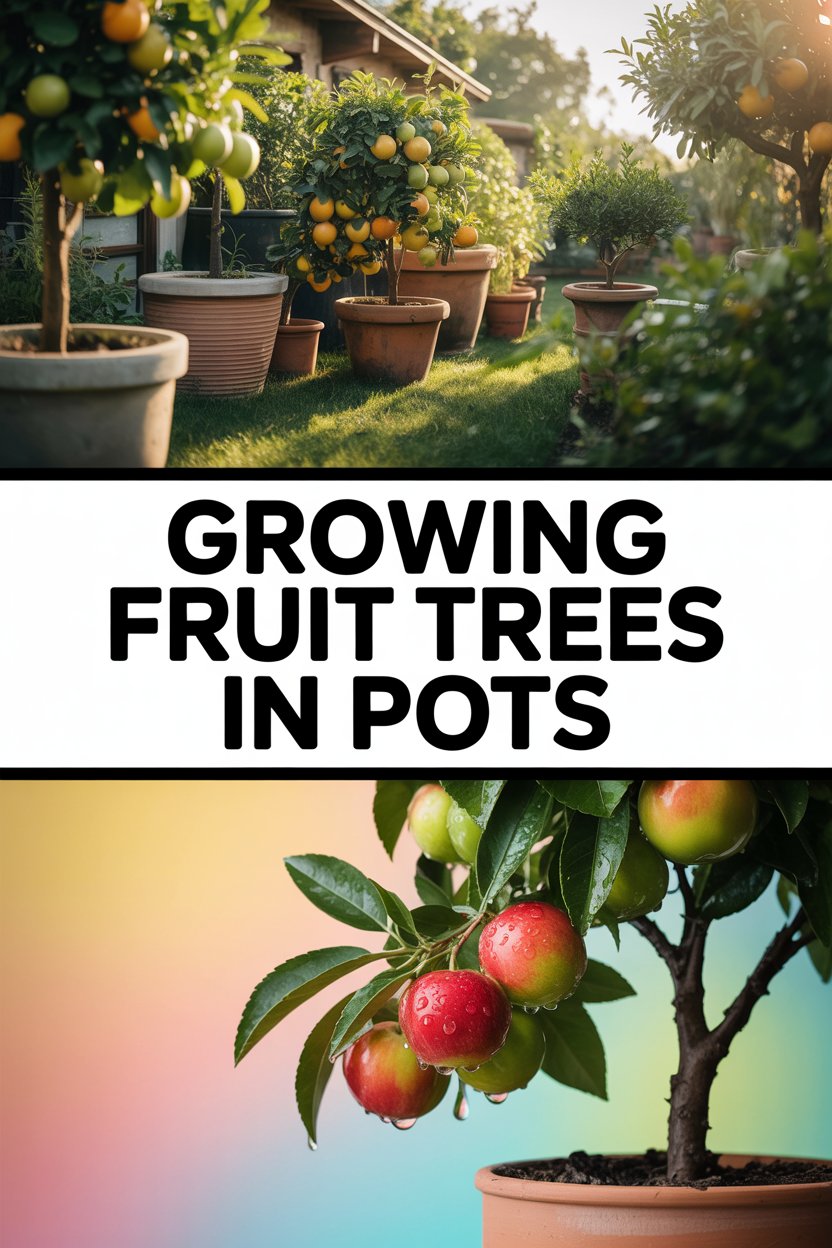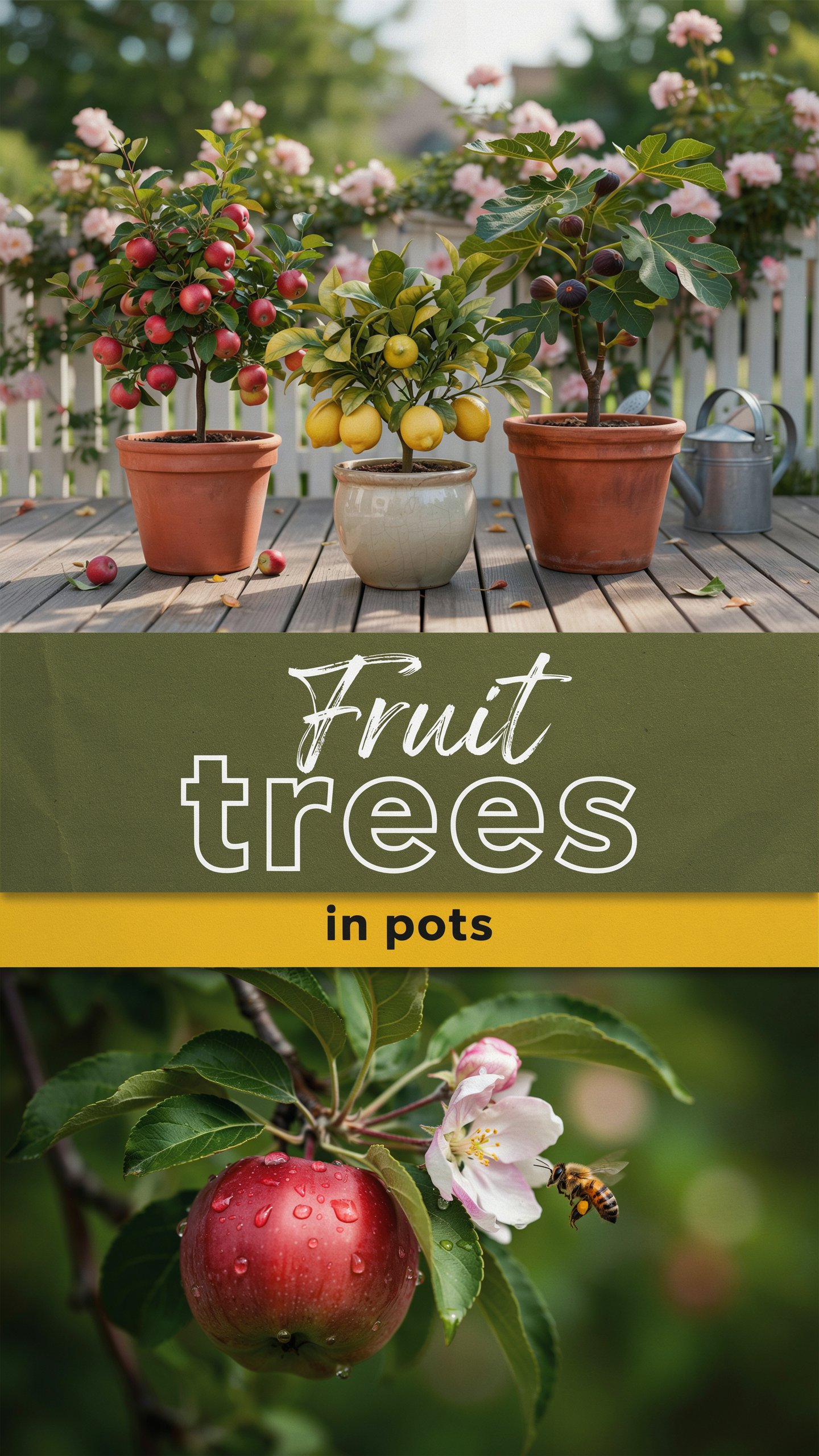

Imagine stepping onto your balcony or patio and picking a handful of sweet, sun-ripened cherries or juicy figs right from your own little tree. No sprawling backyard required. Growing fruit trees in pots makes this dream possible even in tiny urban spaces, apartments, or rentals where traditional gardening seems impossible.
If you’ve ever felt frustrated by limited space but still crave homegrown fruit, you’re not alone. Many beginners worry their trees will die, produce nothing, or take over their porch. The good news? With the right choices and simple care, you can enjoy fresh fruit from container-grown trees for years.
In this guide, I’ll walk you through everything step by step. Whether you’re a total newbie or have killed a few houseplants before, you’ll learn practical ways to succeed with fruit trees in pots.
Quick Answer: Can You Really Grow Fruit Trees in Pots?
Yes! Many dwarf or naturally compact fruit trees thrive in large containers. Popular options include figs, citrus (like Meyer lemons), dwarf apples, cherries, peaches, and even some plums or pomegranates. With proper pots, soil, watering, and feeding, they can produce harvests in as little as 1–3 years. Expect 10–50+ fruits per season once established, depending on the tree.
Why Grow Fruit Trees in Pots? The Real Benefits
Container gardening opens doors for almost anyone. You can move pots to chase the sun, protect from frost, or rearrange your space. It’s perfect for patios, balconies, rooftops, or even indoors near sunny windows.
Potted trees often stay smaller and more manageable than ground-planted ones. This means easier pruning and harvesting without ladders. Plus, you control the soil quality completely—huge if your yard has poor or contaminated earth.
I’ve seen neighbors transform boring concrete spaces into mini orchards. One friend grows Meyer lemons indoors during winter and wheels them out in spring. The satisfaction of biting into fruit you nurtured yourself? Worth every bit of effort.
Best Fruit Trees for Pots: Top Picks for Beginners
Not every fruit tree loves life in a container. Focus on dwarf varieties or naturally compact types.
- Figs: Tough, productive, and forgiving. Varieties like ‘Chicago Hardy’ or ‘Little Miss Figgy’ handle pots beautifully and produce sweet fruit even in cooler climates.
- Citrus (Meyer Lemon, Calamondin, Lime): Excellent for warmer spots or indoor winters. They smell amazing and fruit reliably.
- Dwarf Apples and Pears: Look for M9 or similar rootstocks. Columnar types save even more space.
- Dwarf Cherries and Peaches: Self-fertile options like ‘Bonanza’ peach or patio cherries work well.
- Blueberries: Not a tree but shrubby and perfect in acidic potting mix. Multiple bushes for pollination.
- Other Winners: Dwarf pomegranates, olives (for warmer areas), and even some bananas for tropical vibes.
Start with 1–2 trees that match your climate and taste preferences. Ask yourself: What do I love eating? How cold does it get here?
Choosing the Right Pots for Fruit Trees
Bigger is almost always better. Aim for containers at least 18–24 inches wide and deep (40–60+ liters) for most trees. This gives roots room and prevents quick drying.
Material tips:
- Terracotta/clay: Classic look but heavy and dries faster.
- Plastic or resin: Lightweight, affordable, retains moisture better.
- Fabric grow bags: Great drainage and air pruning for roots, but need more frequent watering.
- Wooden half-barrels: Attractive and stable.
Ensure excellent drainage holes. Elevate pots slightly off the ground with feet or bricks to prevent soggy bottoms. For stability in windy spots, choose heavier pots or add weight at the base.
The Perfect Soil Mix for Healthy Roots
Regular garden soil compacts badly in pots. Use a high-quality potting mix designed for containers. A good blend drains well but holds enough moisture and nutrients.
Simple recipe many growers use:
- 5 parts pine bark fines or compost
- 1 part perlite or pumice
- 1 part peat moss or coco coir
Add slow-release organic fertilizer and a handful of mycorrhizal fungi to help roots establish. pH matters—most fruit trees like slightly acidic (6.0–7.0). Blueberries need more acidic conditions.
Refresh the top few inches of soil annually and repot every 2–4 years as the tree grows.
Step-by-Step: How to Plant Fruit Trees in Pots
- Choose timing: Spring or early fall works best in most areas so roots establish before extreme weather.
- Prep the pot: Add a layer of broken pottery, gravel, or mesh over drainage holes.
- Position the tree: Place so the graft union (bump near base) sits just above soil level. Fill around roots with your mix, firming gently.
- Water thoroughly: Soak until water runs out the bottom. This settles the soil.
- Mulch: Add 2–3 inches of organic mulch (bark, straw) on top, keeping it away from the trunk.
Give your new tree a shady spot for the first week or two to reduce transplant shock.
Watering: The Make-or-Break Skill
Potted trees dry out faster than in-ground ones. Check soil daily in summer by sticking your finger 2–3 inches down. Water deeply when the top feels dry.
Morning watering is ideal. In hot weather, you might need to water every day or even twice. Use room-temperature water and avoid wetting leaves too much to prevent disease.
Pro tip: Self-watering pots or ollas (buried clay pots) can reduce effort. Overwatering causes root rot—yellow leaves and soggy soil are warning signs.
Feeding Your Potted Fruit Trees
Containers leach nutrients quickly, so fertilize regularly. Use a balanced organic fertilizer in spring, then switch to higher potassium (for fruiting) in summer.
Options:
- Slow-release granules
- Liquid seaweed or fish emulsion every 2–4 weeks
- Compost tea for gentle boost
Watch for signs of deficiency: Yellow leaves might mean nitrogen; poor fruit set could be potassium shortage. Less is often more—overfeeding leads to lush leaves but few fruits.
Sunlight, Location, and Seasonal Care
Most fruit trees need 6–8 hours of direct sun. South-facing spots are gold. In very hot climates, provide afternoon shade to prevent leaf scorch.
Winter care: In cold areas, move tender trees (citrus, figs) to a garage or sheltered spot. Insulate pots with bubble wrap or burlap to protect roots from freezing.
Summer: Watch for heat stress. Mulch heavily and group pots together for humidity.
Pruning keeps trees compact and productive. Remove dead or crossing branches in late winter. For fruit production, thin excess fruit early so remaining ones grow larger.
Pollination and Getting That First Harvest
Many dwarf trees are self-fertile, but having two varieties helps. Hand-pollinate with a brush on bad weather days. Be patient—young trees focus on roots first. Your first real harvest might come in year 2 or 3.
Harvest when fruit feels plump and tastes sweet. Pick regularly to encourage more production.
Common Beginner Mistakes to Avoid
- Starting with pots that are too small
- Using poor drainage soil
- Forgetting to water consistently
- Over-pruning young trees
- Ignoring root bound issues (repot when roots circle the bottom)
I’ve made most of these mistakes myself. The key is observing your trees weekly—they’ll tell you what they need.
Troubleshooting Common Problems with Fruit Trees in Pots
- Yellow leaves: Often underwatering, nutrient lack, or poor drainage. Adjust accordingly.
- No flowers/fruit: Too much nitrogen, not enough sun, or young tree. Be patient and balance feeding.
- Pests (aphids, scale, spider mites): Blast with water or use insecticidal soap. Encourage ladybugs.
- Diseases (leaf curl, canker): Good airflow and sanitation help. Remove affected parts.
- Wilting despite watering: Root bound or compacted soil. Time to repot.
Catch issues early by checking leaves and soil regularly. Most problems are fixable with tweaks.
Advanced Tips from a Seasoned Grower
Rotate pots occasionally for even growth. Companion plant herbs or flowers around the base to attract pollinators and deter pests. Track your watering and feeding in a simple notebook—it helps spot patterns over seasons.
In my experience, the trees that thrive are the ones you build a relationship with. Talk to them while watering (yes, really—it reminds you to check closely!).
Expanding Your Mini Orchard
Once comfortable, try grafting, espalier training against a wall, or mixing varieties in larger planters. Vertical gardening with trellises maximizes tiny spaces for vines like passionfruit.
Frequently Asked Questions About Fruit Trees in Pots
How big do fruit trees in pots get? Dwarf varieties typically stay 4–10 feet tall, depending on pruning and pot size. Much more manageable than full-size trees.
Can fruit trees survive winter in pots? Yes, with protection. Hardy types like apples tolerate cold better; move citrus indoors or insulate pots well. Roots are more vulnerable in containers.
What is the best soil for fruit trees in containers? A well-draining potting mix with bark, perlite, and compost. Avoid heavy garden soil.
How often should I water fruit trees in pots? It depends on weather, but often daily in summer. Always check soil moisture first.
Do I need special fertilizer for potted fruit trees? Regular feeding with balanced then fruiting formulas is key. Organic slow-release works great.
Which fruit trees produce the fastest in pots? Figs and citrus often fruit quicker than apples or cherries.
Can I grow fruit trees in pots indoors? Yes, especially citrus and figs with enough light (grow lights help in winter).
Your Sweet Reward Awaits
There’s something deeply satisfying about tending a living tree that gives back with fragrant blossoms and homegrown fruit. Growing fruit trees in pots proves you don’t need acres—just a bit of knowledge, consistent care, and patience.
Start small, learn as you go, and celebrate every new leaf and tiny fruit. Before long, you’ll be sharing jars of homemade jam or fresh picks with friends and family.
Ready to begin your mini orchard? Grab a quality dwarf tree from a reputable nursery this season and watch it transform your space. Drop a comment below with which fruit you’re most excited to try—I’d love to hear and offer more tailored tips. Happy growing!