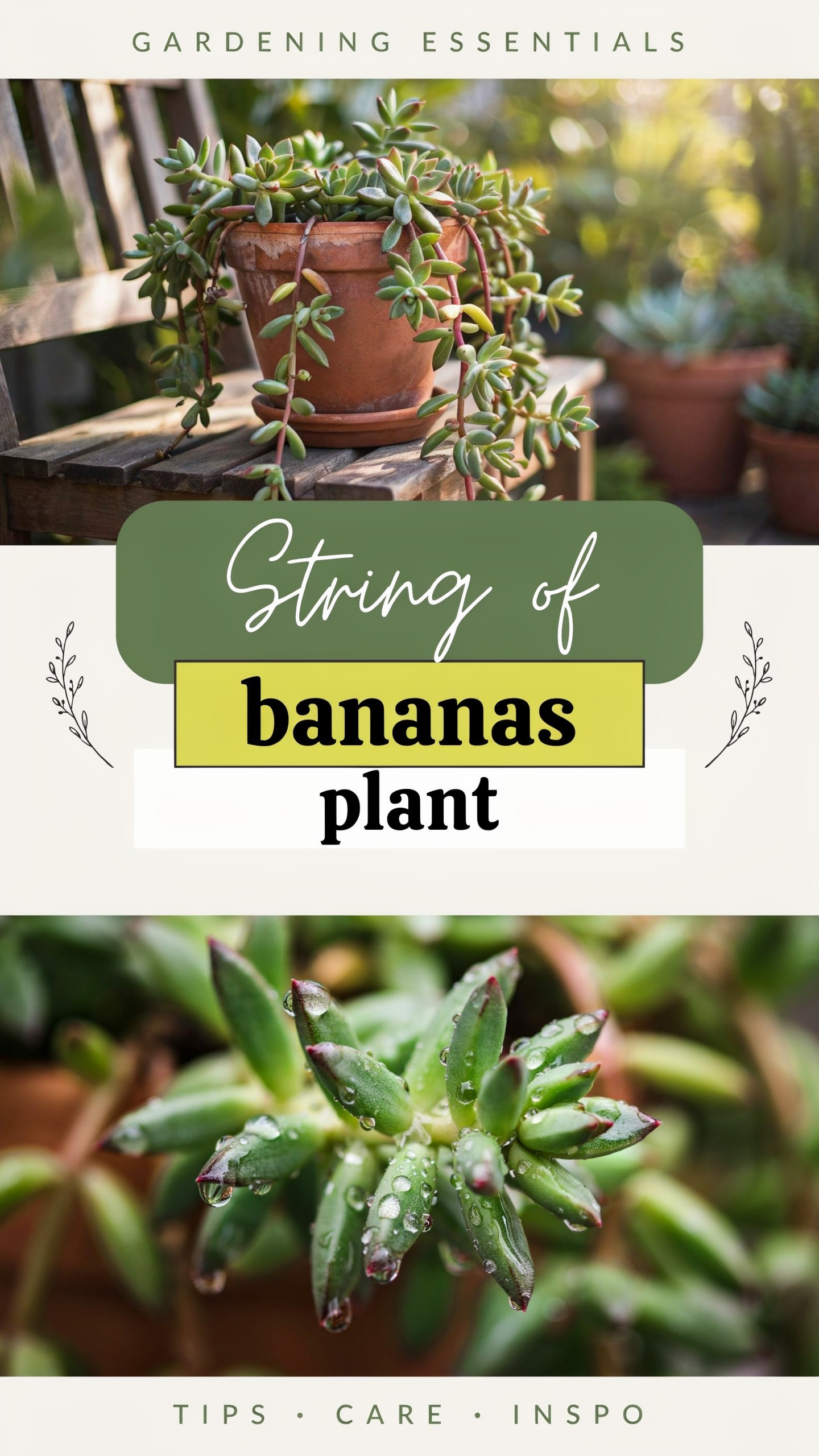

Imagine a cascading plant with glossy, little banana-shaped leaves trailing gracefully from a hanging basket, adding instant charm to any room. If you’ve ever admired those trendy “string” succulents but worried about keeping one alive, the String of Bananas plant might be your perfect match.
This delightful trailing succulent is forgiving for beginners, grows relatively fast, and brings a fun, quirky vibe to your home. Whether you’re staring at a sparse new plant or dreaming of lush, full trails, this guide will walk you through everything step by step.
Quick Answer: String of Bananas Plant Care at a Glance
- Light: Bright, indirect light or some direct morning sun. More light = happier, fuller plant.
- Water: Thoroughly when soil is completely dry (every 2-3 weeks indoors). Err on the side of underwatering.
- Soil: Fast-draining cactus or succulent mix.
- Temperature: 60–80°F (15–27°C) day; cooler at night is fine.
- Propagation: Super easy from stem cuttings in soil or water.
- Toxicity: Mildly toxic to pets if ingested—keep out of reach.
What Is a String of Bananas Plant?
The String of Bananas, scientifically known as Curio radicans (formerly Senecio radicans), is a succulent in the daisy family native to South Africa. Its fleshy, curved leaves look just like tiny green bananas hanging along thin, trailing stems.
In the wild, it scrambles over rocks and bushes as a groundcover. Indoors, it shines as a hanging plant, with trails that can reach 3–6 feet long over time. It’s closely related to the popular String of Pearls, but many plant lovers find the Bananas version easier and more resilient thanks to thicker stems and leaves that don’t dry out as quickly.
Why the String of Bananas Plant Is Perfect for Beginners
If you’re new to houseplants or have killed a few succulents before, this one is encouraging. It bounces back well from minor neglect and grows faster than some of its cousins. The unique banana leaves add visual interest without needing constant attention.
One of the best parts? It propagates like crazy, so you can turn one plant into many or fill out a sparse pot quickly. No green thumb required—just a bit of bright light and restraint with the watering can.
Best Light Conditions for Thriving String of Bananas
Your String of Bananas craves bright light. Indoors, place it near a south or west-facing window where it gets plenty of indirect sunlight. A few hours of gentle direct morning sun is ideal and encourages compact, vibrant growth.
Too little light? The plant gets leggy, leaves stay small, and trails look sparse. If your home is low-light, consider a grow light during darker months.
Avoid intense midday direct sun, especially in summer, which can scorch the leaves. If leaves turn reddish or brown, it might be getting too much harsh sun—move it back a bit.
Pro Tip: Rotate the pot occasionally so all sides get even light and the plant grows symmetrically.
Choosing the Right Soil and Pot for Your Plant
Well-draining soil is non-negotiable. Use a high-quality cactus or succulent mix, or amend regular potting soil with plenty of perlite, pumice, or coarse sand to keep it airy.
Pick a pot with drainage holes—terracotta is great because it wicks away extra moisture. Shallow or wide pots work well since the roots don’t go very deep. Avoid oversized pots, which can hold too much moisture and lead to rot.
When repotting (best in spring or early summer), go up only one size. Gently tease out old soil and check for healthy white roots.
How Often to Water Your String of Bananas
This is the biggest make-or-break for most owners. These plants are drought-tolerant succulents. Water thoroughly only when the soil is completely dry, usually every 2-3 weeks indoors. In winter, it might stretch to 3-4 weeks.
Stick your finger deep into the soil or use a moisture meter. If in doubt, wait another few days. Overwatering is far more dangerous than underwatering.
When you do water, soak the soil until it drains out the bottom. Empty the saucer right away—no sitting in water.
Signs to Watch:
- Underwatered: Wrinkled, shriveled “bananas.”
- Overwatered: Yellowing, mushy leaves or stems, soft base.
Temperature, Humidity, and General Environment
String of Bananas likes average room temperatures—around 60–80°F (15–27°C). It can handle cooler nights but protect it from drafts and frost. It’s not a big fan of high humidity, so good airflow helps prevent issues.
Outdoors in mild climates (USDA zones 9-11), it can grow as a groundcover with morning sun and afternoon shade. Bring it inside before temperatures drop too low.
Fertilizing for Healthy Growth
This plant isn’t a heavy feeder. During the growing season (spring through early fall), you can use a diluted balanced or succulent fertilizer once a month. Many people skip it entirely and still see great results.
Over-fertilizing can cause salt buildup and damage roots, so less is more here.
How to Propagate String of Bananas: Step-by-Step
One of the most fun parts of owning this plant is how easily it propagates. You’ll have new plants in no time.
Method 1: Soil Propagation (Recommended)
- Take healthy stem cuttings 4-6 inches long with several leaves.
- Remove leaves from the bottom inch or two.
- Let cuttings callous (dry out) for a day or two.
- Place on or lightly press into moist succulent soil. Use pins or paperclips to hold stems in contact with soil.
- Keep in bright, indirect light and mist lightly until roots form (usually 1-3 weeks).
- Water sparingly at first.
Method 2: Water Propagation Put cuttings in a jar with the stem end in water. Change water regularly and move to soil once roots appear.
Personal Insight: I love coiling multiple cuttings around the edge of a new pot—it fills out fast and creates a lush look quicker than waiting for one plant to trail.
Repotting and Maintenance Tips
Repot every 1-2 years or when the plant outgrows its container. Spring is ideal. Trim long or leggy stems to encourage bushier growth and use those trimmings for propagation.
Dust the leaves occasionally with a soft brush for better photosynthesis. Prune dead or damaged parts to keep it tidy.
Common Problems and Troubleshooting
Even easy plants have hiccups. Here’s what to look for:
- Shriveled Leaves: Usually underwatering. Give a good soak and adjust schedule.
- Yellow or Mushy Leaves: Overwatering or poor drainage. Check roots, trim rotten parts, and repot in fresh soil.
- Leggy Growth or Small Leaves: Not enough light. Move to brighter spot.
- Brown Spots or Scorching: Too much direct sun. Relocate.
- No Growth: Low light, cold temps, or root issues. Improve conditions.
Beginner Mistake to Avoid: Watering on a strict schedule instead of checking the soil. These plants hate wet feet.
If you notice pests like mealybugs or aphids (rare but possible), treat with insecticidal soap or neem oil promptly.
Creative Ways to Display Your String of Bananas
Hanging baskets are classic, letting the trails drape beautifully. Try macrame hangers for boho vibes, or place on a high shelf so tendrils can cascade down.
Pair it with other trailing succulents like String of Pearls or Hearts for a fun collection. In warmer months, it looks stunning on a covered patio.
Seasonal Care Adjustments
- Spring/Summer: Active growth—brighter light, more frequent watering (but still when dry), light fertilizing.
- Fall/Winter: Slower growth—reduce watering, ensure good light (grow lights help), keep away from cold windows.
Real-World Observations from Growing String of Bananas
In my experience, these plants reward patience and observation. One that looked sparse in low light exploded with new growth after moving to a sunnier window. The banana leaves stay plump longer than pearls, making it less dramatic during dry spells.
Kids and visitors always comment on the “funny little bananas”—it’s a great conversation starter.
Is String of Bananas Toxic?
Yes, like many succulents, it’s mildly toxic to cats, dogs, and humans if eaten in large amounts. The sap can irritate skin too. Place it out of reach of curious pets and toddlers.
FAQ: Your Top Questions About String of Bananas Plant
How fast does a String of Bananas grow? It grows moderately to fast in good conditions, adding several inches per month during spring and summer. Trails can get quite long over a year or two.
Can I grow String of Bananas outdoors? Yes, in mild, frost-free climates with protection from intense afternoon sun. It’s great as a groundcover or in containers.
Why are my String of Bananas leaves falling off? Usually overwatering leading to rot, or extreme underwatering. Check soil moisture and roots.
How do you make String of Bananas fuller? Provide bright light, propagate and replant cuttings back into the same pot, and prune strategically to encourage branching.
Is String of Bananas the same as String of Pearls? No—they’re related but different. Bananas has curved, banana-like leaves and thicker stems; Pearls has round beads. Bananas is often easier for beginners.
What if my plant stops growing? Boost light first. Check for root health, temperature, and ensure it’s not overly rootbound or in poor soil.
Can you propagate String of Bananas from a single leaf? Not reliably—stem cuttings with nodes work best.
Final Thoughts: Bring Home the Joy of String of Bananas
There’s something incredibly satisfying about watching your String of Bananas plant send out new trails, plump up its little banana leaves, and transform a plain corner into a living curtain of green. It’s more than just a plant—it’s a low-effort way to bring nature and personality into your space.
Don’t stress about perfection. Start simple, observe what your plant tells you, and enjoy the process. Before long, you’ll be propagating extras to share with friends or filling shelves with lush cascades.
Ready to get started? Grab a healthy plant from a local nursery or online, give it a bright spot, and watch it thrive. Your future self (and your home decor) will thank you. Happy planting!